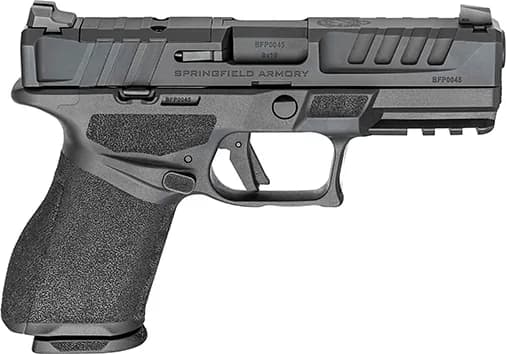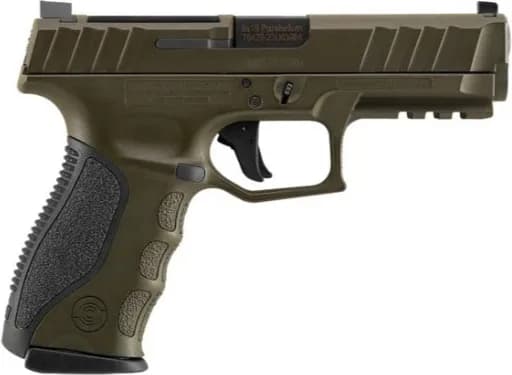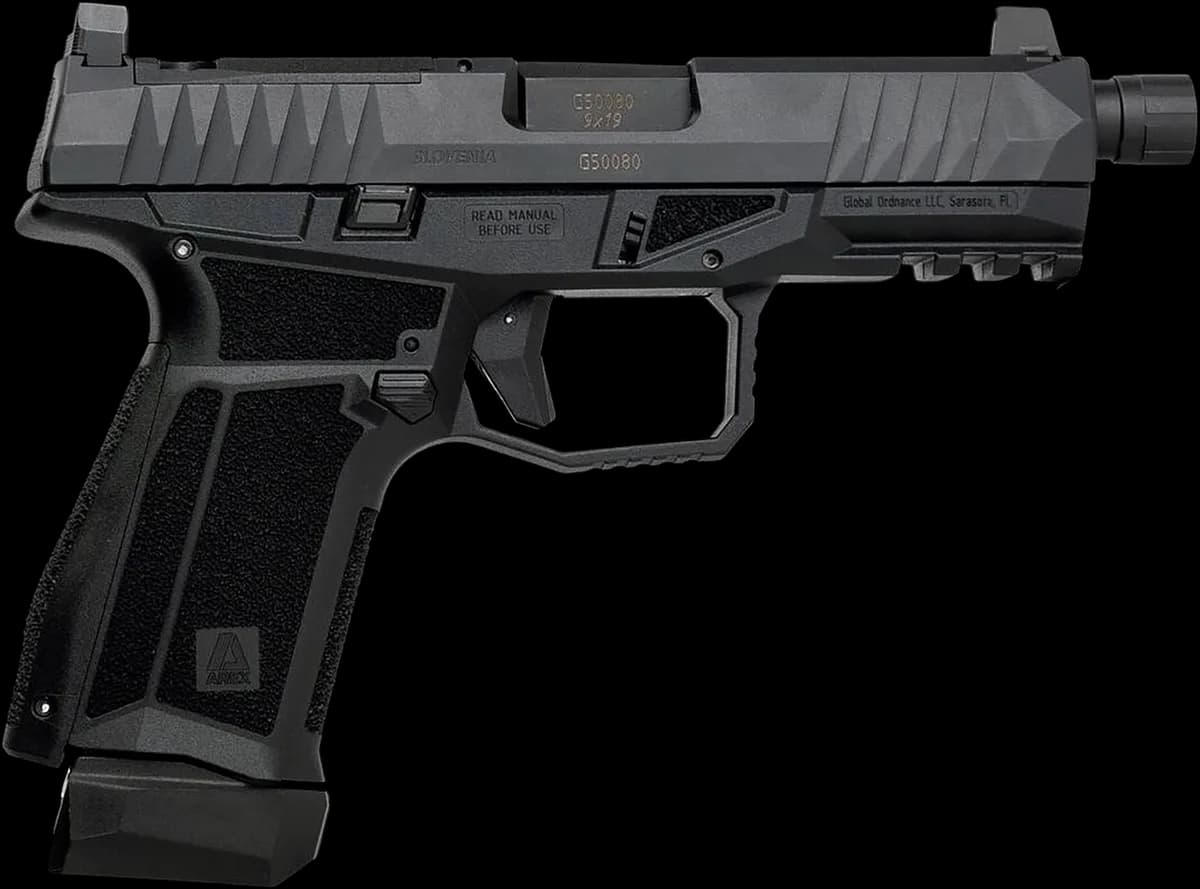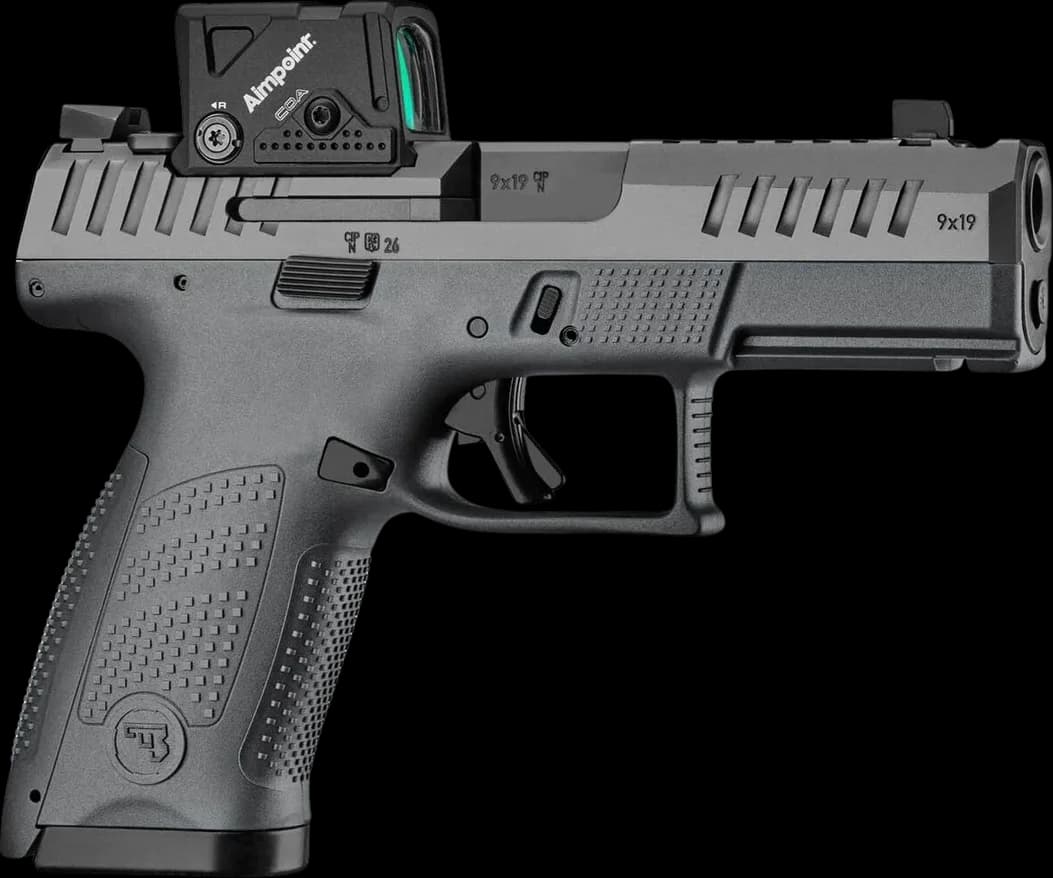
Affiliate disclosure: HandgunCloud may earn a commission if you continue to the retailer and complete a purchase.
Buy from Impact GunsThe XF Pro arrived as Fusion Firearms’ move into the all‑metal, striker‑fired segment, unveiled publicly after a development partnership with Turkish manufacturer Ermox. Fusion positioned the model as a compact, ergonomically revised successor to earlier Ermox designs, bringing changes to the trigger, grip shape and materials while keeping compatibility with common Glock components where practical. The company’s own announcements and the product literature make clear the XF Pro is the result of a collaboration intended to marry Fusion’s U.S. market support with Ermox’s manufacturing.
The XF Pro entered the aftermarket and dealer pipeline with an unusually feature‑rich kit for the price point — all‑metal frame, interchangeable grip panels, optics mount plates and a stated compatibility with Glock‑pattern magazines and recoil assemblies. Dealer catalogs that list the XF Pro under the Ermox brand with the same model identifiers corroborate the cross‑border manufacturing/import arrangement.
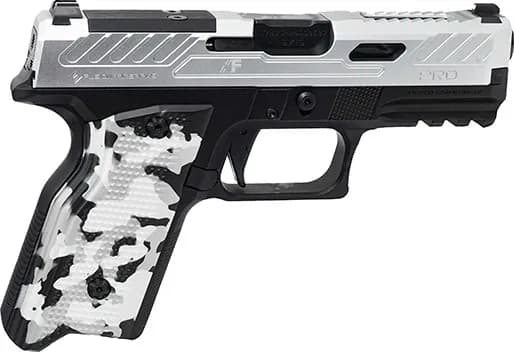
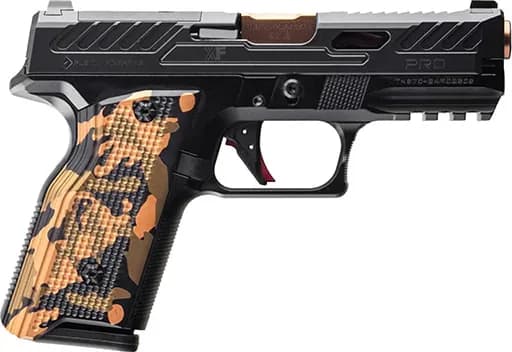
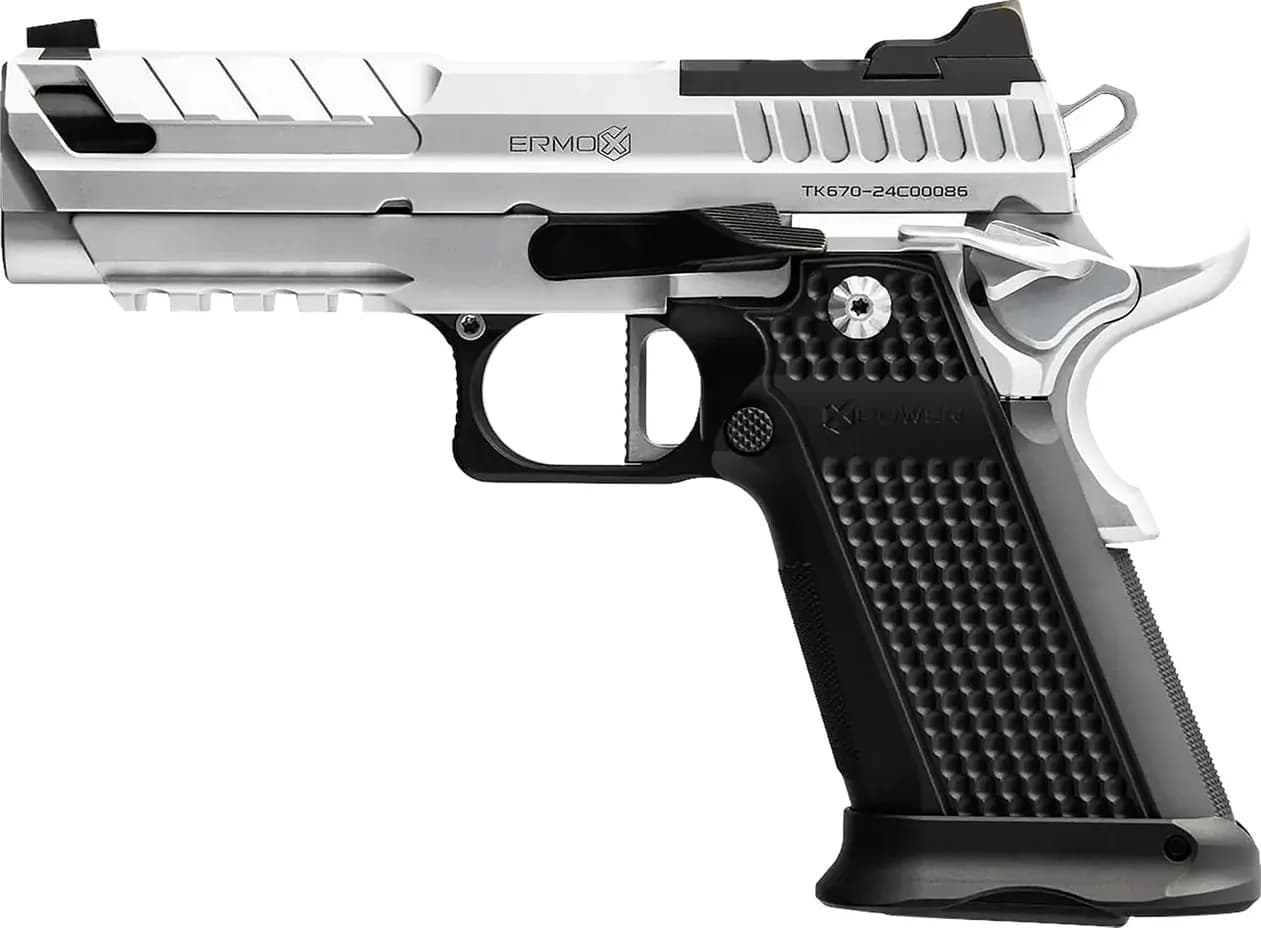
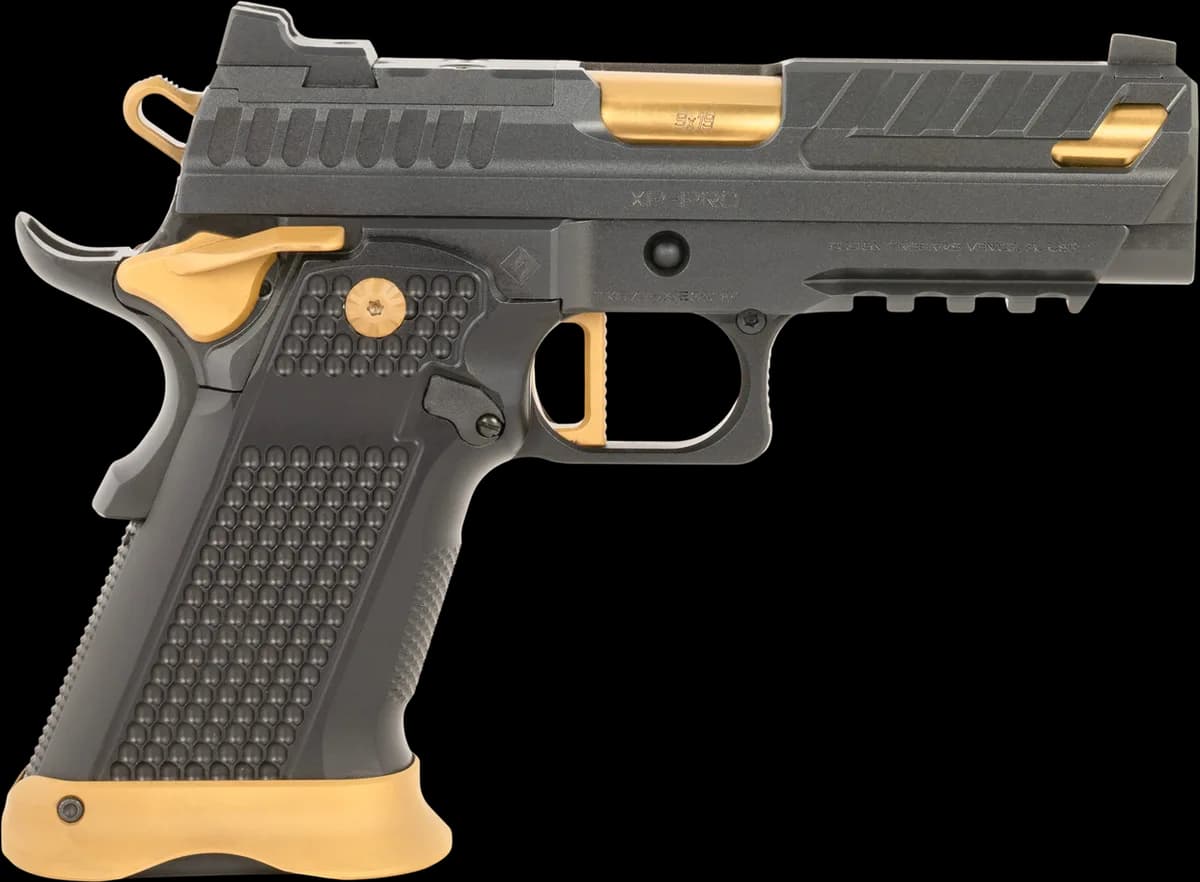
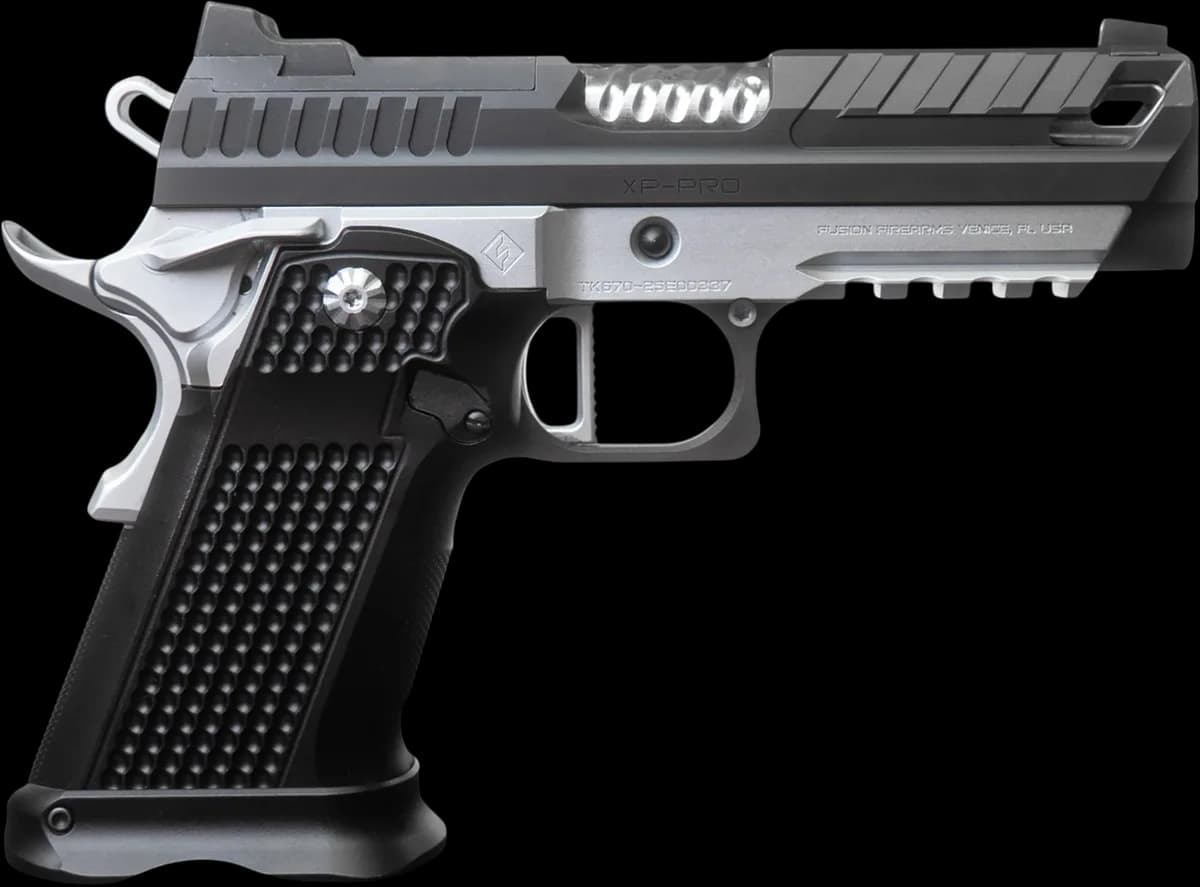
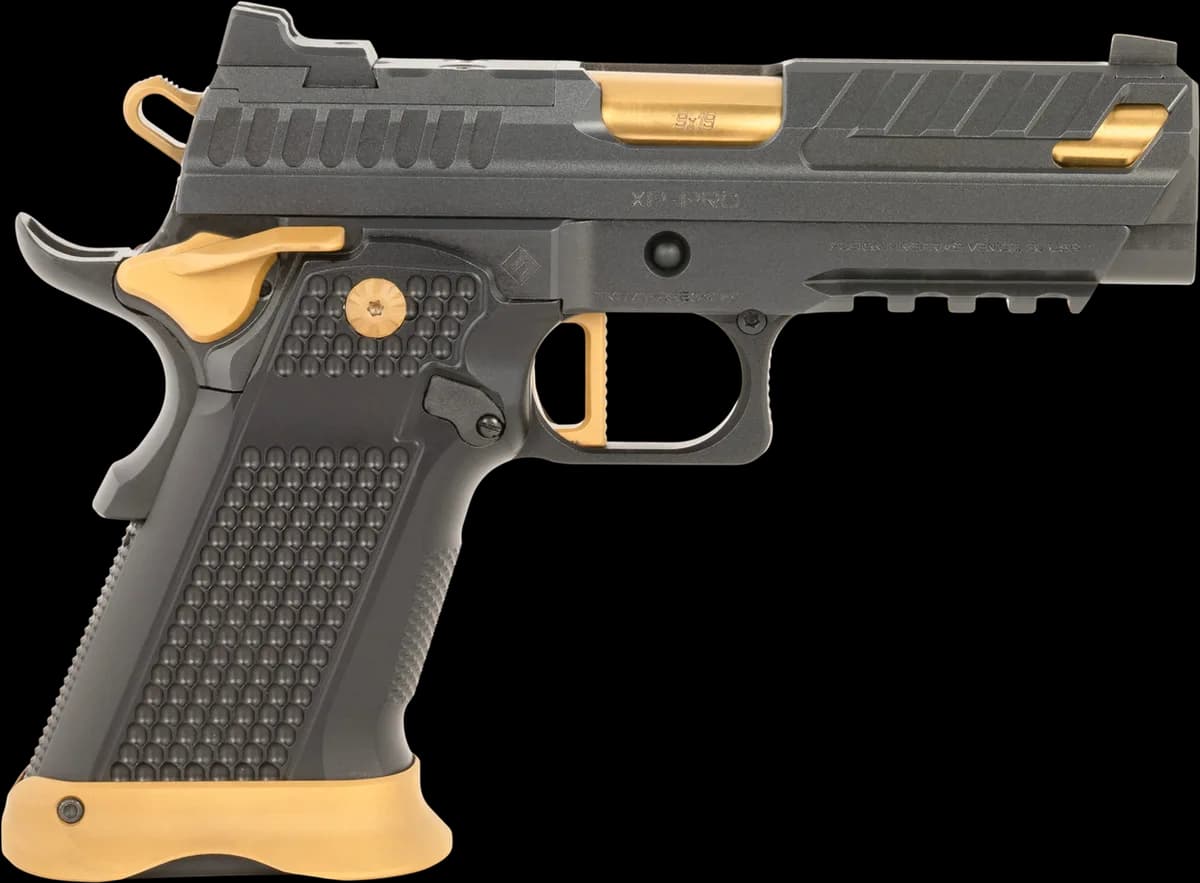
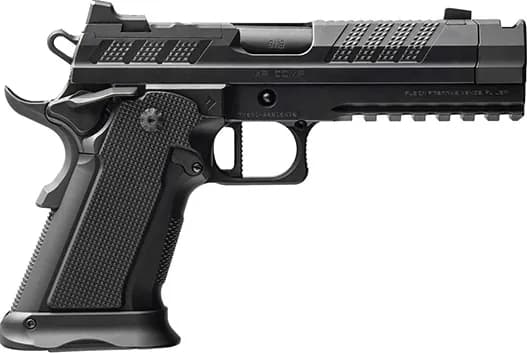
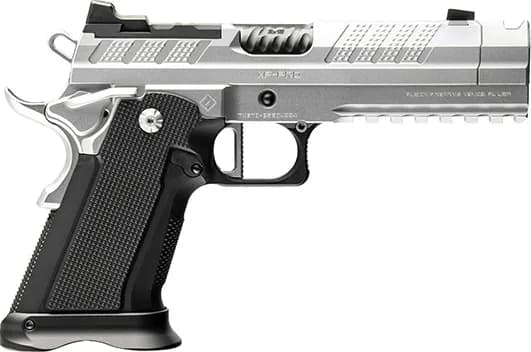
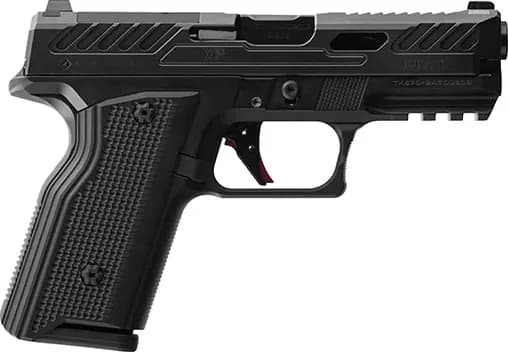
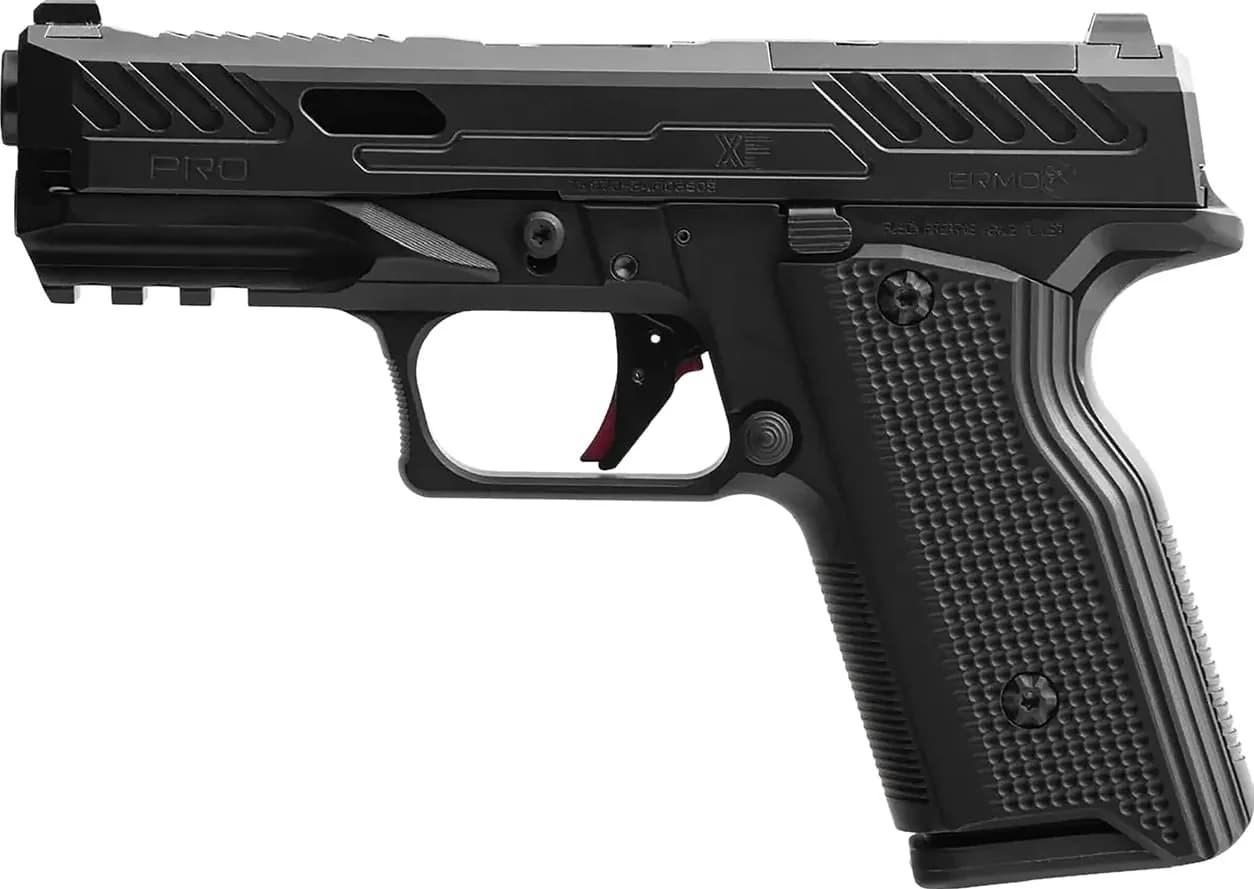
Mechanically the XF Pro follows a familiar striker‑fired architecture but departs from typical polymer pistols by using a machined aluminum frame paired with an all‑steel slide. The package typically ships with a 4" fluted, Glock‑compatible barrel and a recoil system that accepts Glock‑style components, which gives owners access to widely available barrels, guide rods and magazines. The pistol’s overall length (about 7.29") and weight (reported in reviewer test samples at roughly 26–33 ounces depending on optic/mag) place it between compact and midsize service pistols: heavy for a polymer compact, lighter than many full‑size steel guns.
Ergonomics are a focal point of the XF Pro’s design. Fusion’s updates from the original Ermox layout include an extended beavertail, an integrated left‑side thumb rest and interchangeable grip panels (aluminum and polymer) so shooters can tailor texture and feel. The frame’s increased non‑reciprocating mass helps damp perceived recoil, a benefit reviewers consistently reported when compared with similarly sized polymer pistols. The slide features pro‑style serrations and optic cut‑outs; the optics plate system ships with multiple plates (one RMR footprint plus a second plate for other footprints), though reviewers note the supplied plates often place an optic relatively high above the slide.
Independent reviewers who evaluated sample guns at the range describe the XF Pro as a “soft‑shooting” compact 9mm. The all‑metal frame and slide mass distribution reduce muzzle flip, and many testers found the pistol controllable with a broad range of 9mm loads. Trigger characteristics reported in hands‑on reviews describe a flat‑face striker trigger with a distinct take‑up and a relatively clean break after a short wall; resets were judged usable for rapid fire, though the feel leans toward a workmanlike rather than ultra‑refined trigger. Practical accuracy at typical self‑defense distances was good in reviewer protocol tests.
Reliability reports in published reviews have been mixed but generally acceptable: long strings of trouble‑free shooting followed by isolated stovepipes or magazine‑related issues with certain factory magazines were reported during early testing and in some consumer threads. Owner reports in online communities show a range of experiences — many users report reliable service after break‑in, while a minority have encountered feed or slide‑stop issues necessitating dealer service or parts replacement. Those threads underscore that early production runs of new designs often produce variability until tolerances and quality control settle.
Durability observations from reviewers focused on finishes and barrel coatings: several testers noted the Tenifer/QPQ‑type finishes held up well through routine range use, and the fluted barrel appearance on sample guns showed little cosmetic wear after shooting sessions. Long‑term durability remains to be demonstrated in independently published endurance tests beyond early adopter reporting.
The XF Pro’s strengths make it well suited to range use, home defense and for shooters who prefer metal‑framed pistols with a heavier, more planted feel than polymer compacts. Its controllability and flatter recoil impulse are assets for extended practice sessions and for new shooters learning fundamentals. The interchangeable grip panels and included optic plates increase the gun’s versatility for both iron‑sight and red‑dot setups. Several reviewers specifically called it a strong “range gun” and an approachable option for shooters who want an all‑metal pistol without the premium price of long‑established European or U.S. metal handguns.
Limitations are practical and should factor into ownership decisions. The frame’s left‑side thumb rest and unique grip profile reduce compatibility with many off‑the‑shelf holsters, prompting early buyers to seek brand‑specific holsters or custom kydex. Optic height with the supplied plates can be high enough to complicate co‑witnessing with standard sights, and some owners reported the supplied grip texture felt slick — prompting aftermarket grip options. Finally, mixed early‑user reliability reports and occasional parts availability concerns in online communities mean buyers who require a rock‑solid duty gun may want extended evaluation or to wait for later production improvements.
In the market the XF Pro occupies an unusual niche: an all‑metal, optics‑ready compact that accepts Glock magazines and some Glock parts, but which is not a direct Glock clone. Reviewers have compared its handfeel to a hybrid of Glock and CZ designs — a compact footprint with a wider grip and more metal mass — and they place it as a value play relative to more expensive European metal pistols and premium American models. The inclusion of optical plates, interchangeable grip panels and a metal frame at the XF Pro’s price point gives it clear value for buyers seeking features over a known brand premium.
Against class stalwarts — compact Glock, SIG, and CZ offerings — the XF Pro trades brand heritage, holster/ecosystem ubiquity and decades of incremental refinement for a feature bundle and a heavier, more “planted” shooting experience. For buyers focused on price‑to‑feature ratio and a distinctive metal build, the XF Pro presents an attractive alternative; for those who prioritize tried‑and‑true proven duty service or immediate third‑party support, established models still hold the advantage. Published reviews and owner threads suggest the XF Pro is worth consideration for shooters who understand early‑production variability and who value its particular combination of metal construction, optics readiness and Glock‑magazine convenience.
Overall, the XF Pro is a noteworthy entry: it brings uncommon features into a compact metal package, and early impressions from reviewers and users show a gun that shoots in a way many find enjoyable. As with any new or refreshed design, prospective buyers should evaluate fit, holster options and sample reliability reports against their intended role before adding one to a concealed‑carry, duty or competition roster.
Start with a practical guide if you want a faster way to narrow the field before comparing specific models.
Learn how to choose the right 9mm handgun based on size, budget, and how you plan to use it.
Read guideCarry-focused shoppersLearn how to choose the right concealed carry handgun based on size, comfort, safety, and everyday usability.
Read guideBudget-minded buyersLearn how to find a reliable handgun under $500 without wasting money or compromising on quality.
Read guide