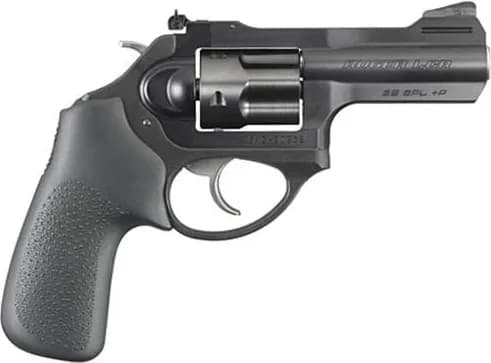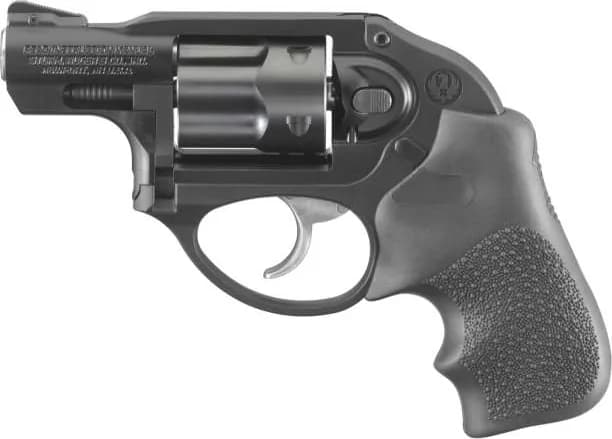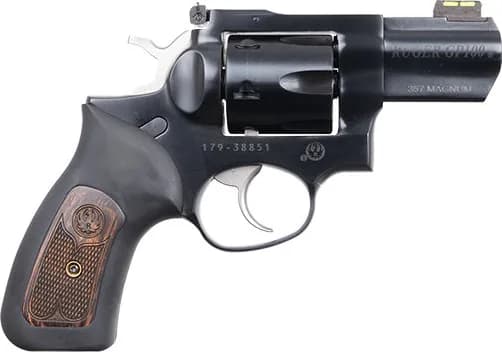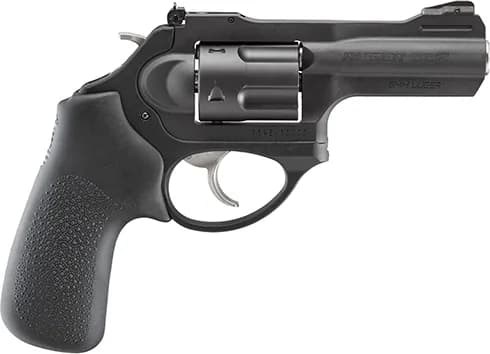
Affiliate disclosure: HandgunCloud may earn a commission if you continue to the retailer and complete a purchase.
Buy from Impact GunsIntroduced in 2009 by Sturm, Ruger & Co., the Ruger LCR (Lightweight Compact Revolver) was designed to meet the growing demand for a lightweight, reliable, and easily concealable revolver suitable for personal defense. Unlike traditional revolvers, the LCR incorporated modern materials and innovative design elements, setting it apart in the compact revolver market. Its introduction marked a significant evolution in revolver design, blending traditional functionality with contemporary materials and engineering.
The LCR was engineered with the concealed carrier in mind, offering a balance between portability and performance. Its design aimed to provide a comfortable shooting experience while maintaining the reliability expected from a Ruger firearm. Positioned within Ruger's lineup, the LCR complemented their existing revolver offerings by catering to those seeking a more modern and lightweight option without compromising on durability.
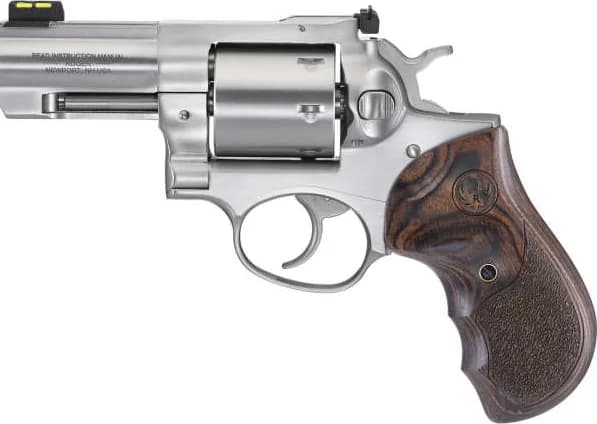
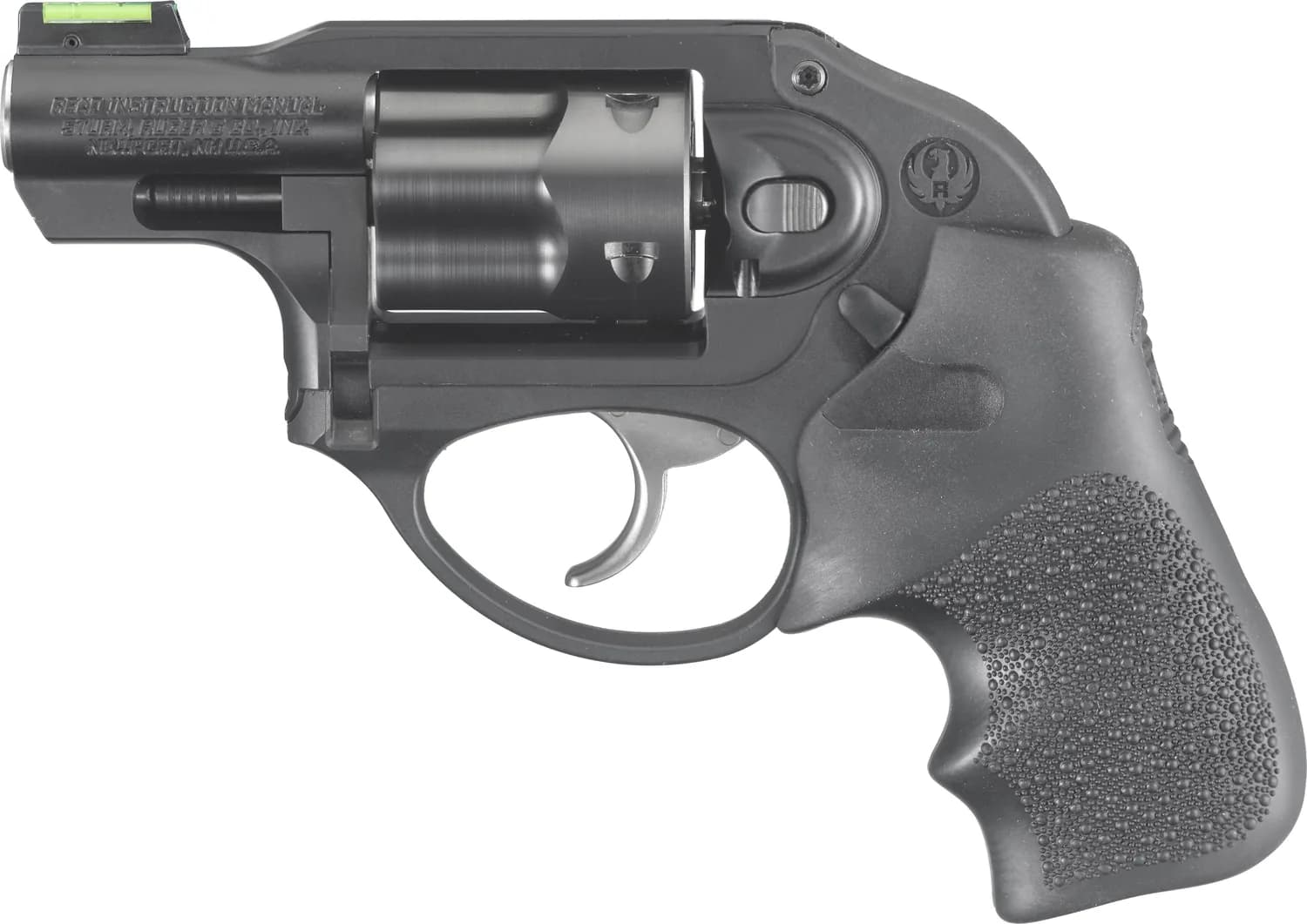
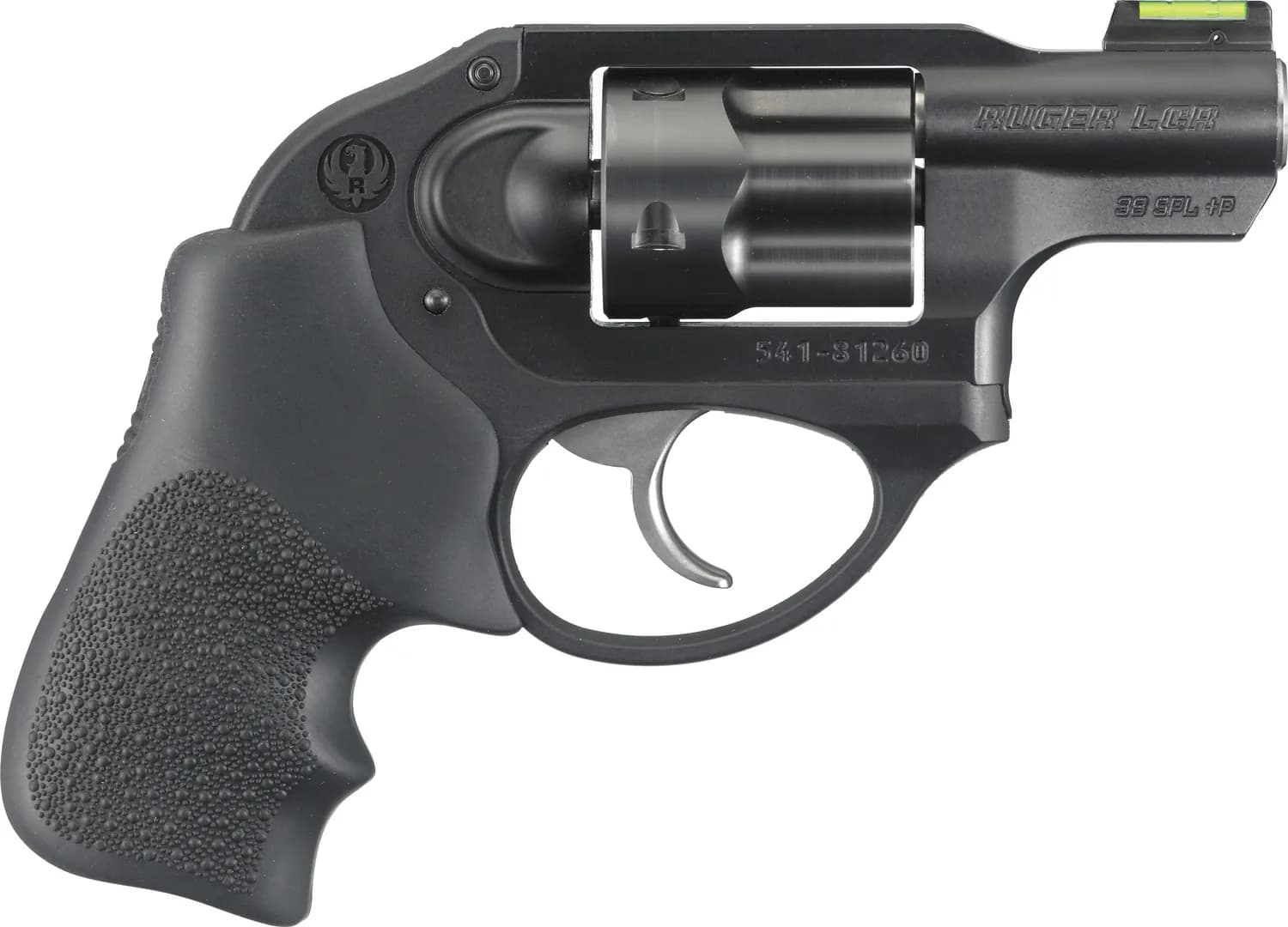
The Ruger LCR's design integrates several innovative features that enhance its performance and user experience. Weighing approximately 13.5 ounces, it is notably lighter than many traditional steel-frame revolvers, making it ideal for concealed carry. The monolithic aluminum frame contributes to its reduced weight while maintaining structural integrity. The stainless steel barrel and fluted cylinder add strength and durability without significantly increasing weight.
A standout feature of the LCR is its patented friction-reducing cam trigger system. This design results in a smooth, non-stacking double-action trigger pull, enhancing accuracy and shooter comfort. The Hogue Tamer grip, equipped with a Sorbothane insert, effectively absorbs recoil, further improving the shooting experience. The incorporation of a polymer fire-control housing reduces weight and allows for a more ergonomic design, while the monolithic receiver ensures a solid frame for the revolver.
Shooters and reviewers have consistently praised the Ruger LCR for its performance. The smooth double-action trigger pull, facilitated by the friction-reducing cam system, is often highlighted as a significant advantage over other compact revolvers. This design minimizes trigger stacking, providing a consistent and predictable pull. The Hogue Tamer grip, with its Sorbothane insert, effectively mitigates recoil, making the revolver more comfortable to shoot, even with +P ammunition.
Accuracy tests have demonstrated that the LCR delivers tight groupings at typical self-defense distances. While the 1.875-inch barrel limits sight radius, the revolver's design and trigger system compensate for this, allowing shooters to achieve commendable accuracy. The lightweight construction contributes to manageable recoil, though some users have noted that heavier .38 Special +P loads can produce more noticeable recoil compared to standard pressure rounds.
The Ruger LCR excels in personal defense scenarios, particularly for concealed carry. Its lightweight and compact design make it easy to carry discreetly, while its reliability ensures it performs when needed. The revolver's design also makes it suitable for use as a backup firearm for law enforcement or as a trail gun for hikers and outdoor enthusiasts. However, its limited capacity of five rounds and shorter barrel length may not be ideal for competitive shooting or extended range sessions, where higher capacity and longer sight radius are advantageous.
In the realm of compact revolvers, the Ruger LCR holds a competitive position. Its innovative design and use of modern materials offer a unique value proposition compared to traditional steel-frame revolvers. While it may be priced higher than some competitors, the LCR's performance, reliability, and ergonomic design justify the investment for many users. Its reputation for quality and durability has solidified its standing in the market, appealing to both seasoned firearm enthusiasts and those new to concealed carry.
In summary, the Ruger LCR represents a significant advancement in revolver design, combining traditional reliability with modern engineering and materials. Its thoughtful design and performance characteristics make it a compelling choice for those seeking a lightweight, reliable, and comfortable revolver for personal defense.
Start with a practical guide if you want a faster way to narrow the field before comparing specific models.
A practical guide to comparing handguns the right way: what actually matters, what to ignore, and how to use comparison tools effectively.
Read guideFirst-time buyersLearn how to choose your first handgun by focusing on size, comfort, ease of use, and budget instead of getting lost in unnecessary details.
Read guide