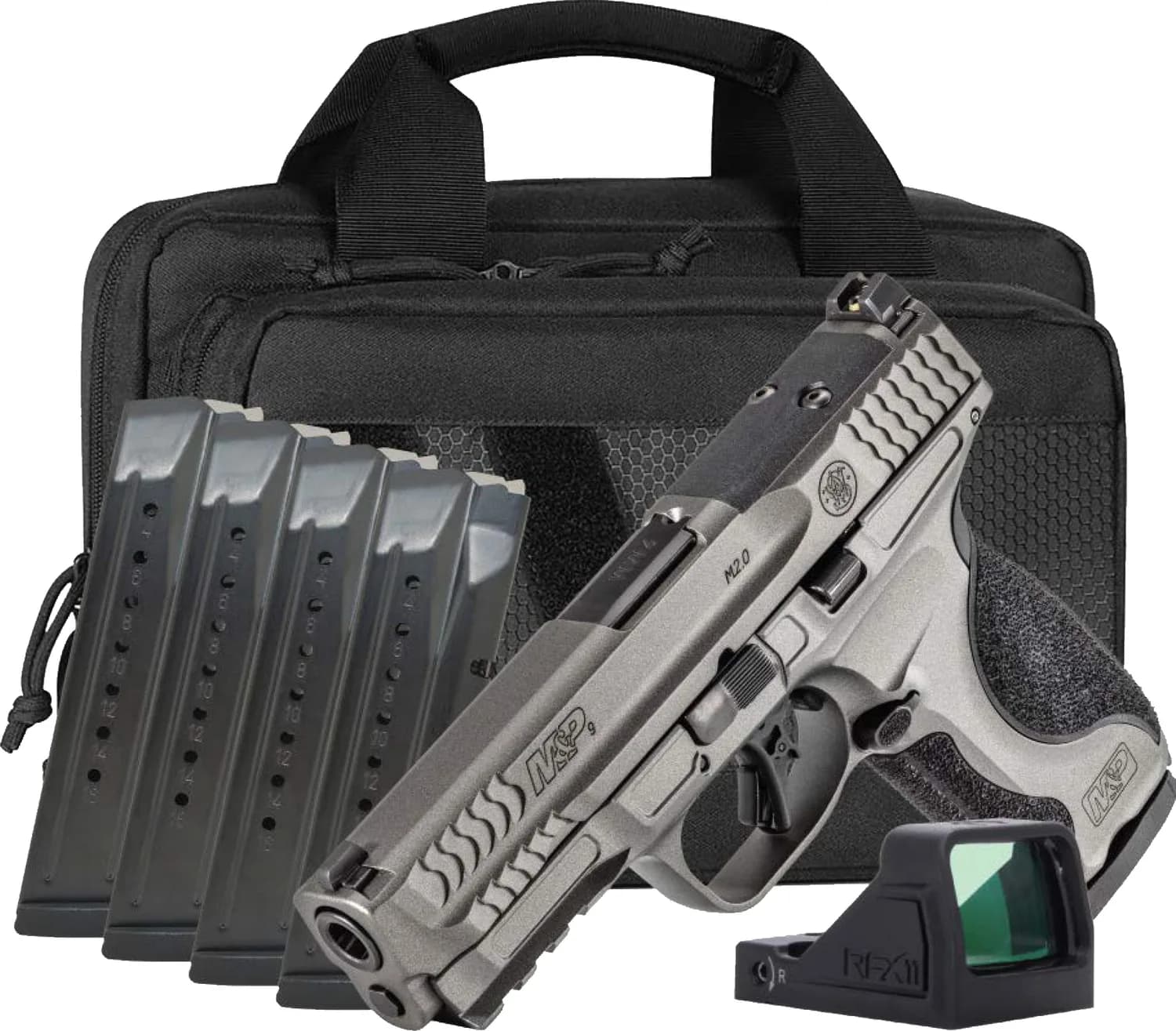
Aimpoint Red Dot Sight, Savior Equipment Bag, Spec Series VI Knife & Coin, Carry Belt
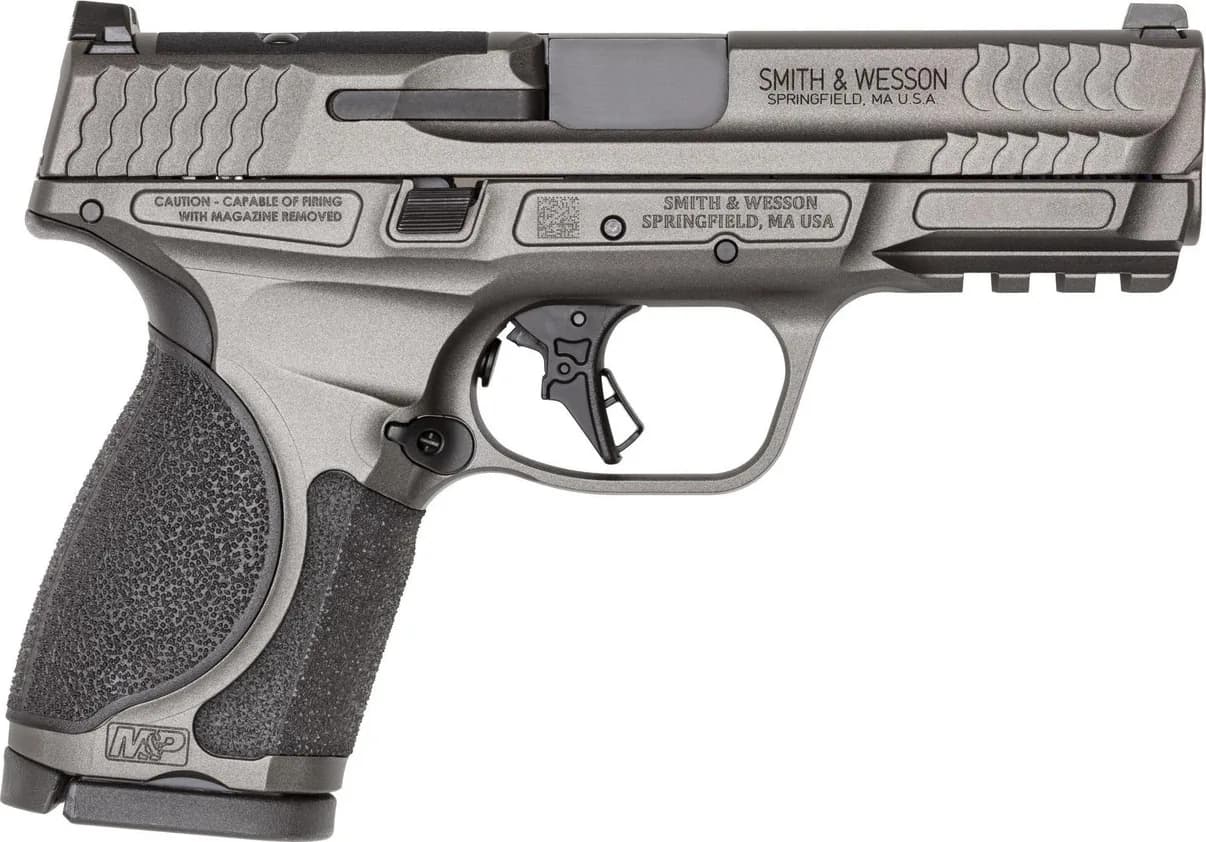
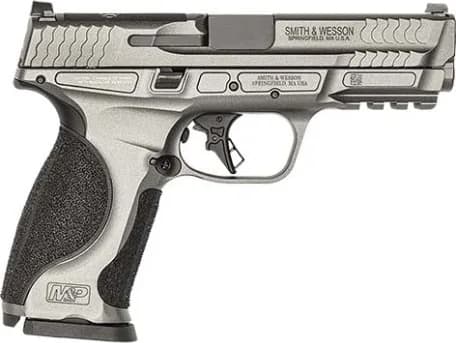
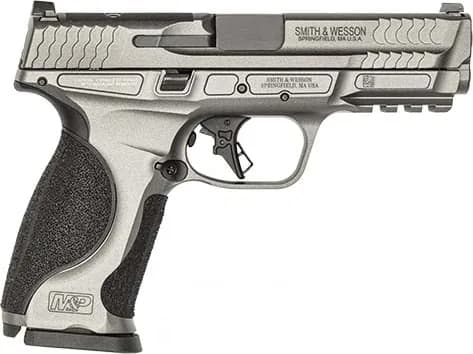
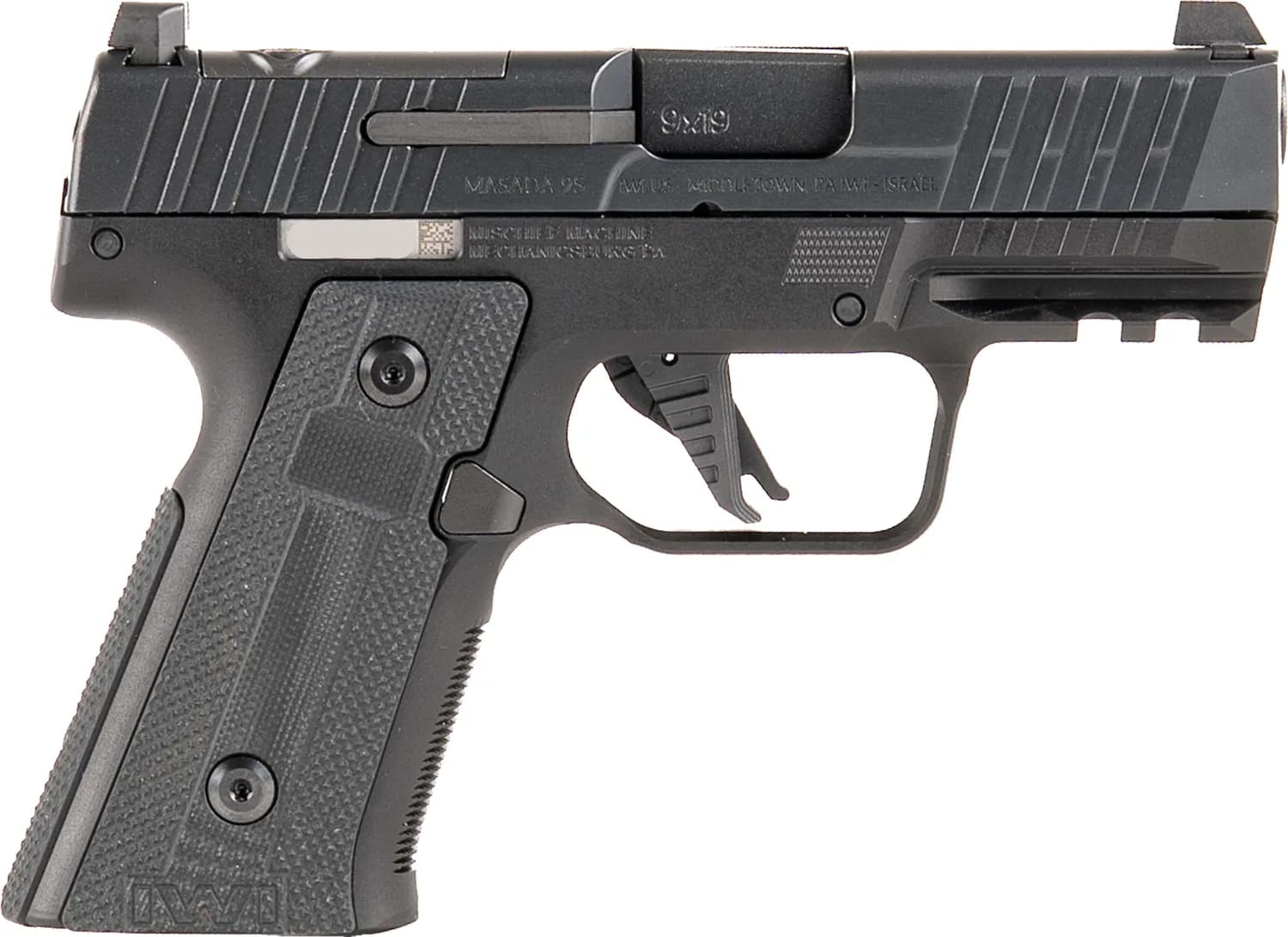
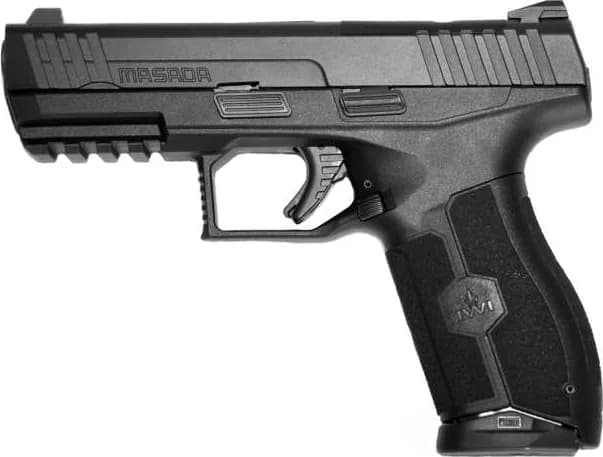
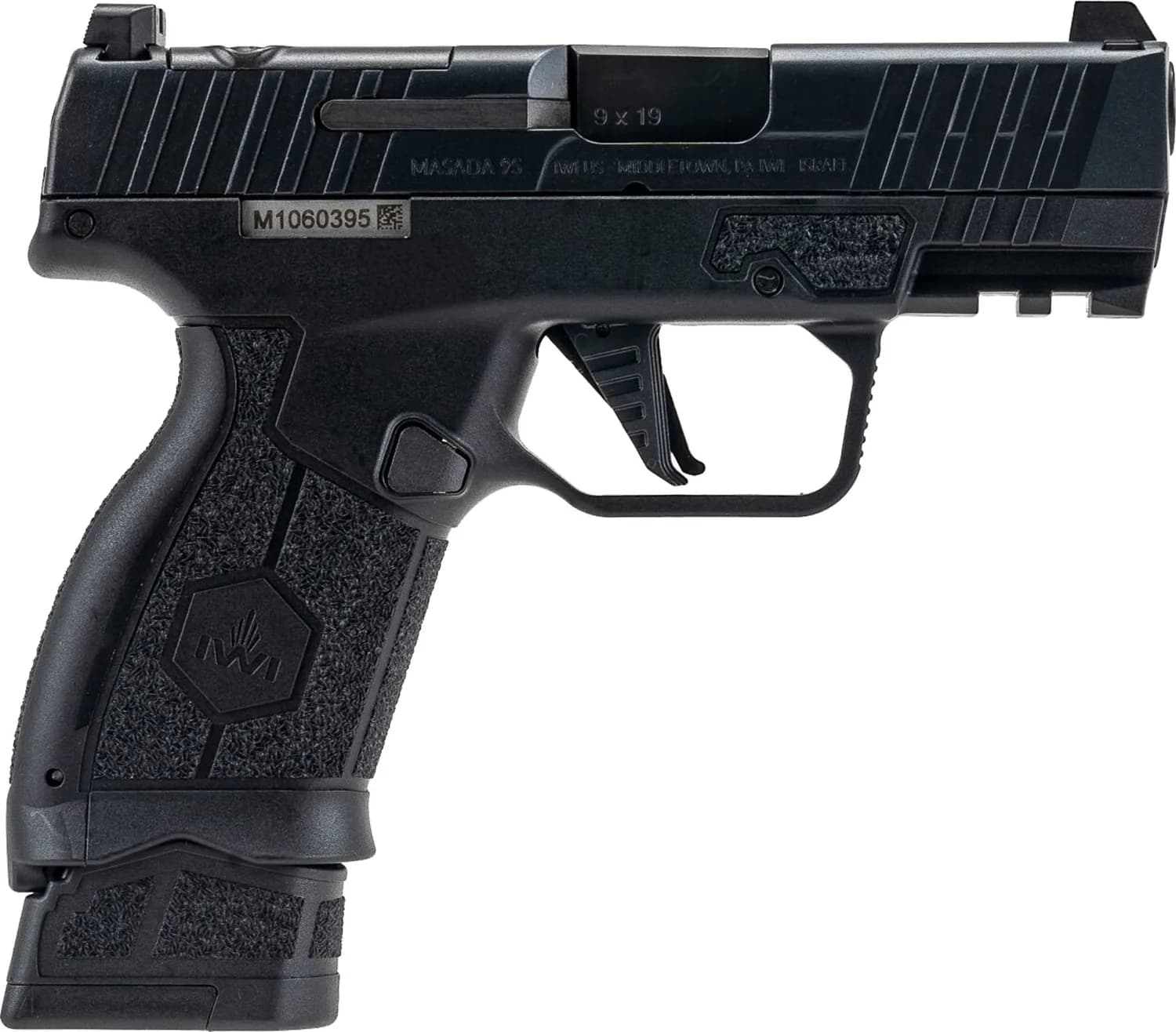
Unveiled as part of Smith & Wesson’s Spec Series rollout at SHOT Show 2026, the M&P9 M2.0 Metal Compact Spec Series VI is the company’s factory-configured “performance kit” version of the compact M&P platform. The Spec Series label has come to mean a curated package—premium finish, selected performance parts, a mounted optic and a branded accessory bundle—rather than a simple single-variant handgun, and the Series VI follows that formula by taking the M&P9 M2.0 compact architecture and building a ready-to-shoot configuration around it. The pistol was shown publicly in January 2026 and positioned as a compact, dot-equipped carry pistol that emphasizes controllability and out-of-the-box completeness.
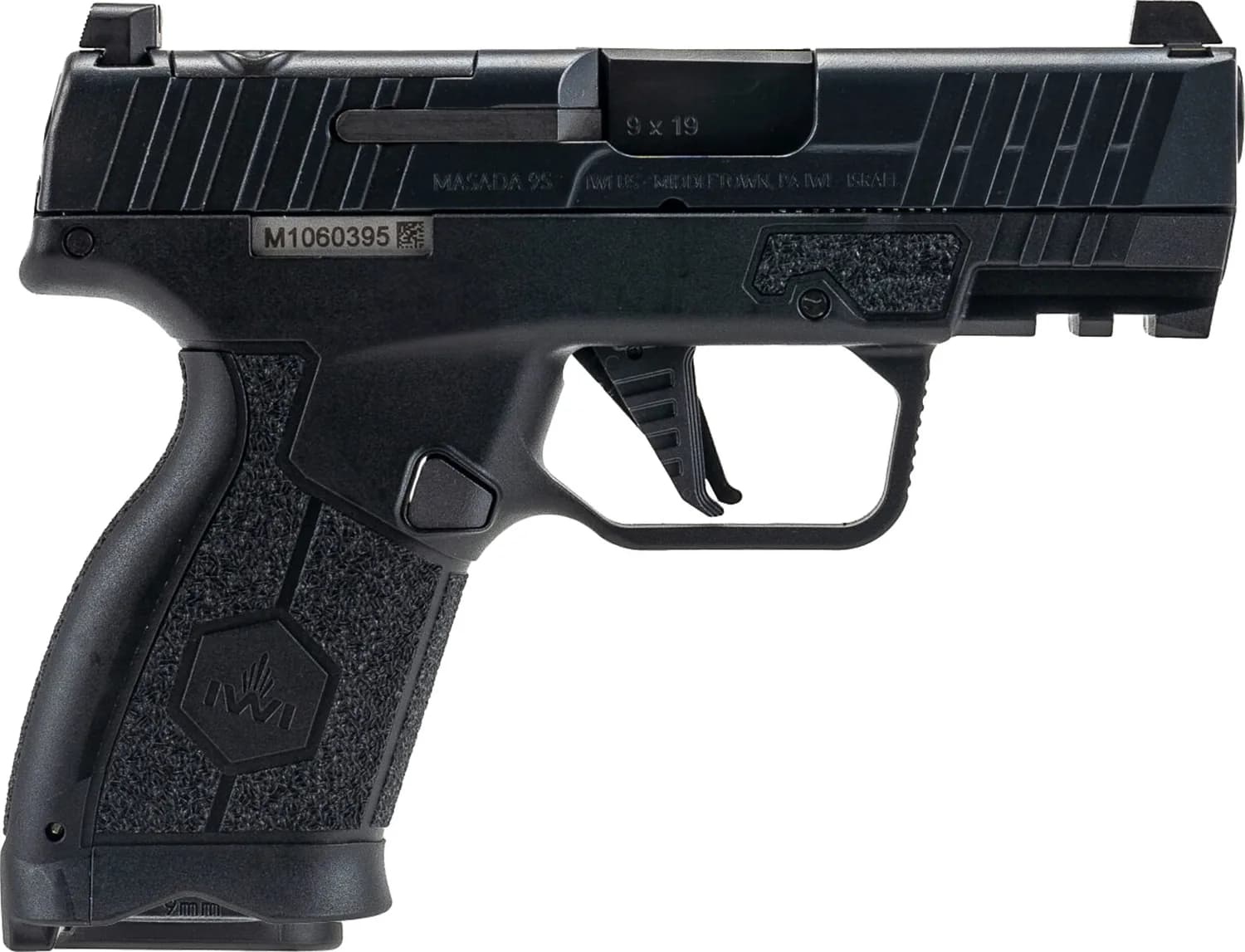
At its core the Spec Series VI is an M&P9 M2.0 compact built on a 7075 T‑6 aluminum frame with a 4.0‑inch stainless steel barrel that has inline porting at the 12 o’clock position. That metal-frame understructure is an intentional departure from the polymer-framed compact M&P models: the aluminum chassis adds mass that helps tame felt recoil and provides a firmer platform for mounting optics, while the porting reduces muzzle rise to speed sight recovery during rapid strings. Smith & Wesson ships the slide with an Aimpoint ACRO P‑2 (an enclosed‑emitter red‑dot) installed at the factory, addressing a common buyer friction point—optics-ready slides that arrive from the factory with the optic already fit, sighted and protected. The factory package also includes a small Floyds Custom Shop EDC magwell and matching baseplates on the magazines, three 15‑round magazines, and a range of carry‑oriented accessories that complete the “system” concept.
Ergonomically the gun retains the M&P M2.0’s 18‑degree grip angle and interchangeable palmswell inserts, which allow shooters to tune grip feel across a wider range of hand sizes. The aluminum frame’s slimmer shoulder and less‑bulky front strap (compared with polymer frames) produces a firmer, more positive lock into the hand for many shooters; combined with aggressive front and rear slide serrations, the result is a compact pistol that tracks consistently from shot to shot. The flat‑faced trigger typical of the M2.0 family and the M&P’s passive striker safeties are retained—the Spec Series VI is a striker‑fired, passive‑safety design intended for users who prefer no manual thumb safety.
Early hands‑on reports and first‑look writeups emphasize two tangible, measurable differences versus the polymer compact M&Ps: reduced muzzle flip during rapid strings and a steadier sight picture for follow‑ups, and the convenience of a carried optic that is factory‑installed and co‑witnessed with the iron sights. Testers who put rounds downrange reported the porting and added mass made the compact pistol feel more “like a midsize” in recoil behavior, allowing quicker sight recovery without the noise and concussive impulse of a compensator. Practical accuracy at typical defensive distances appears consistent with other high‑quality compact 9 mm pistols—center‑of‑mass groups at 7–15 yards that allow quick, repeatable hits when using the dot. That said, long‑term durability and extensive service‑life data are not yet in the public record beyond early review cycles.
Trigger feel follows the M2.0 lineage: a flat‑faced striker trigger with a tactile reset but a perceptible takeup typical of modern duty‑style striker systems. Reviewers describe the trigger as competent and serviceable for defensive work and fast drills, while noting that precision shooters seeking an ultra‑light, match‑grade pull will likely tune or replace components to taste. Reliability reports from initial reviewers and owners on community forums are positive but limited in sample size; no systemic failures or pattern problems have surfaced in published first looks, and the Aimpoint ACRO installation is praised for being an enclosed, rugged reflex option that needs little adjustment in field use.
The Spec Series VI is built to be an out‑of‑the‑box, optics‑equipped compact that leans toward everyday carry for users who prioritize shootability over minimal weight. Its strengths are:
Limitations are practical and predictable: the added mass leads to a heavier carry burden compared with the lightest polymer compacts, which may influence concealment choices for owners who prioritize all‑day comfort. Porting increases muzzle blast and fouling at the ported area (and can complicate suppressed use), and the factory magwell and baseplates, while helpful for reloads, change holster and printing dynamics versus a standard compact pistol. Buyers who do not want an optic or who want the lightest possible carry gun should compare base metal‑frame or polymer‑frame options before committing.
The Spec Series VI occupies a fairly specific slot in the compact 9 mm market: it is a premium, factory‑configured compact oriented at buyers who want a complete, performance‑tuned package rather than piecing together parts. In that sense it competes with optics‑ready compact offerings from other makers (Glock MOS variants, SIG’s optics‑equipped compact lines, and customized factory bundles), but it differentiates on the aluminum frame and integrated porting—features less commonly paired with compact, optics‑ready pistols from some mainstream rivals. Reviewers and trade coverage position the pistol as a “one‑stop” choice for shooters who want a harder‑shooting compact that comes with an enclosed emitter optic and practical reload enhancements already fitted. Value judgments depend largely on how much an individual buyer values the included optic and accessories versus buying a base gun and adding those parts aftermarket.
For readers weighing this model, the decision is largely philosophical: buy a finished, factory‑spec’d system that promotes consistent training and immediate use, or buy a base compact and tailor components over time. The Spec Series VI clearly favors the former path—Smith & Wesson has packaged a compact that shoots and handles like something a bit larger, with a curated accessory suite that aims to remove guesswork for the buyer.
Start with a practical guide if you want a faster way to narrow the field before comparing specific models.
Learn how to choose the right 9mm handgun based on size, budget, and how you plan to use it.
Read guideCarry-focused shoppersLearn how to choose the right concealed carry handgun based on size, comfort, safety, and everyday usability.
Read guideComparison-focused shoppersA practical guide to comparing handguns the right way: what actually matters, what to ignore, and how to use comparison tools effectively.
Read guide