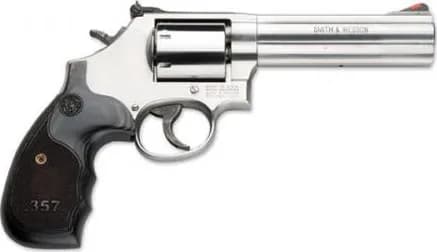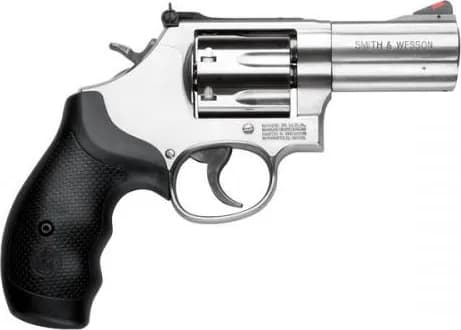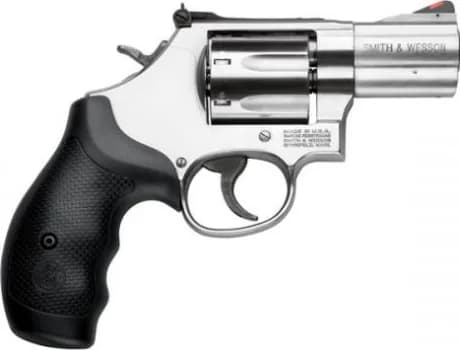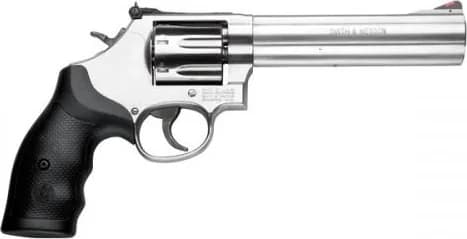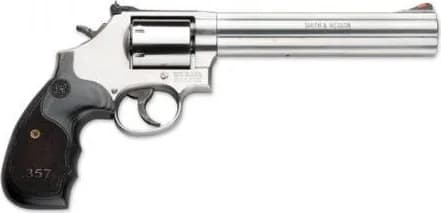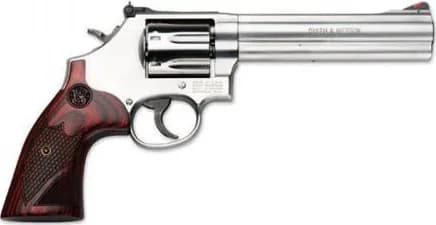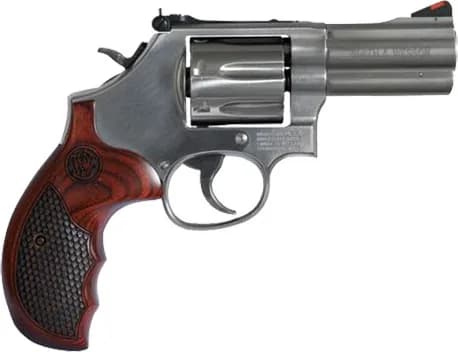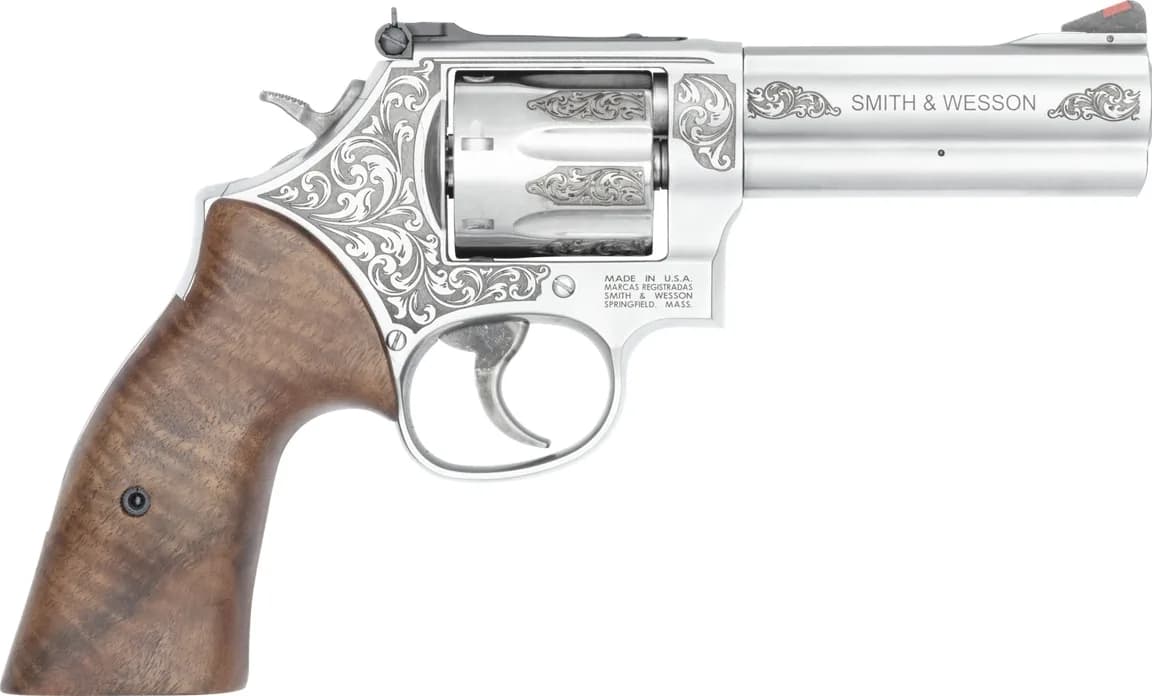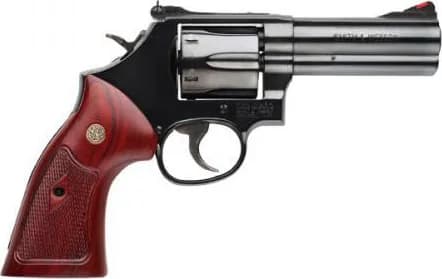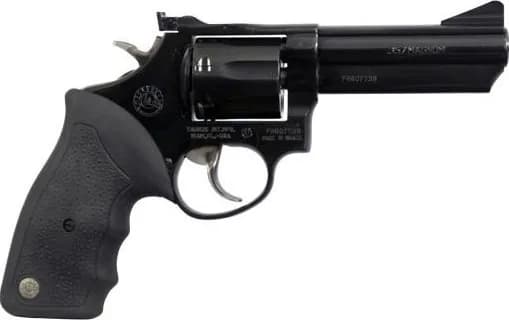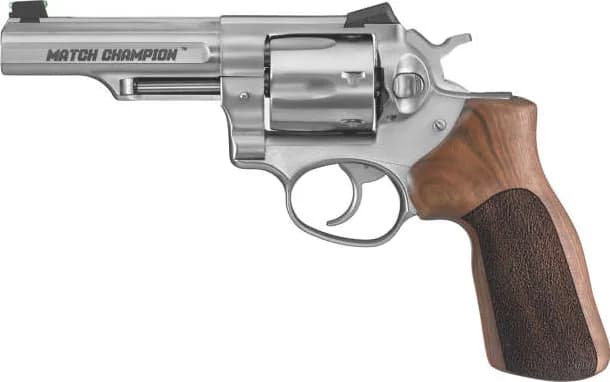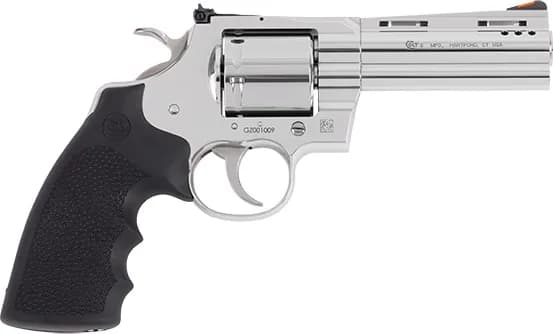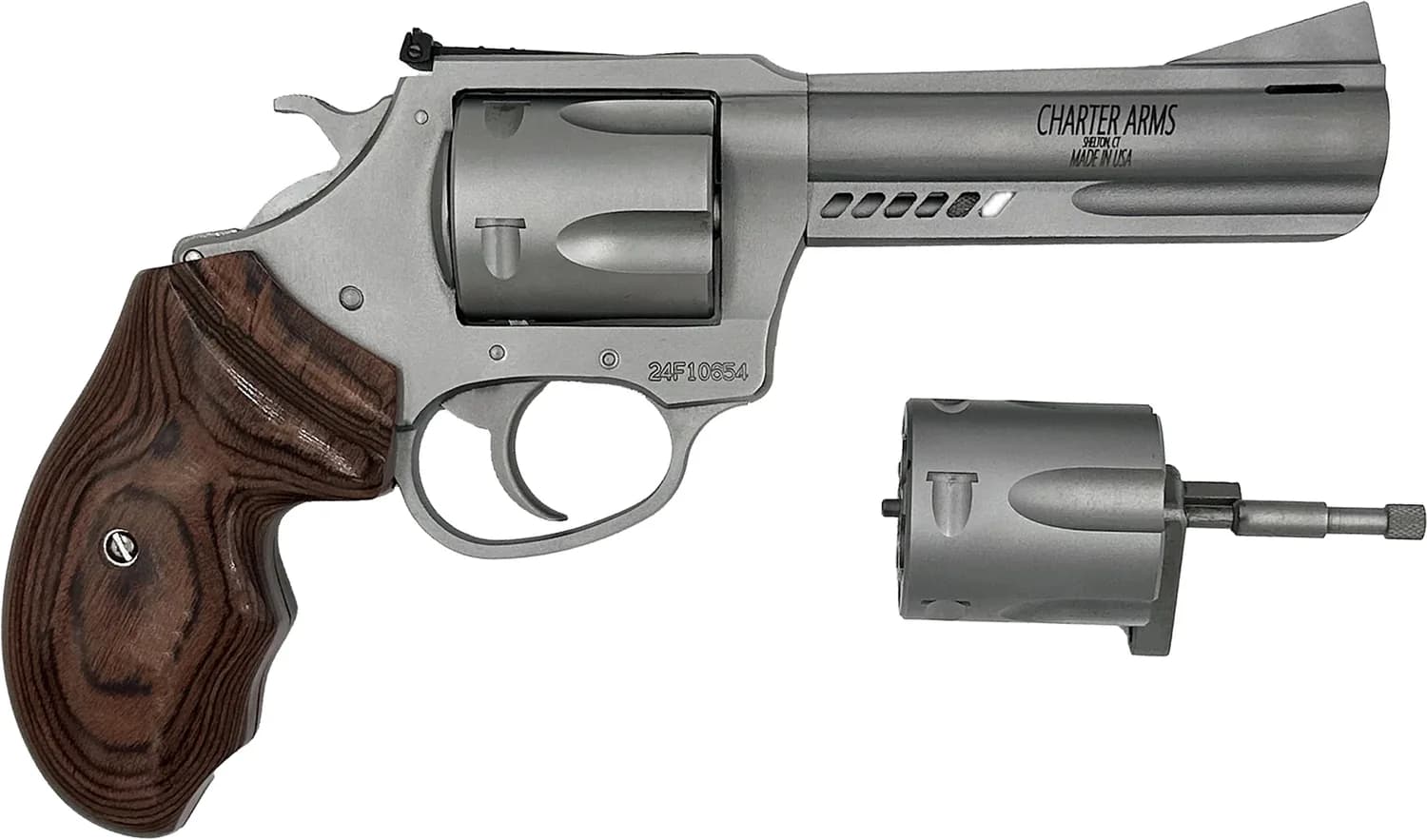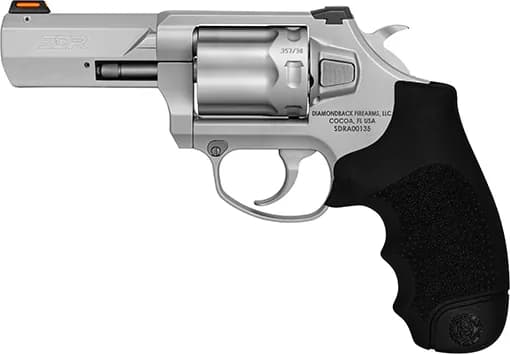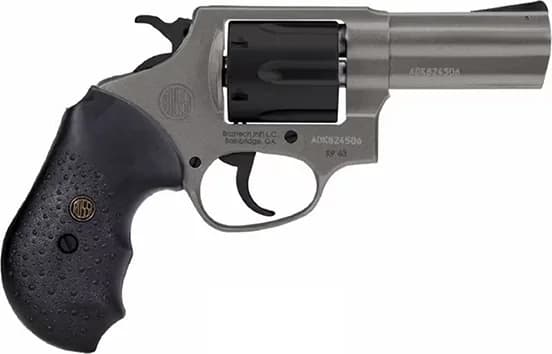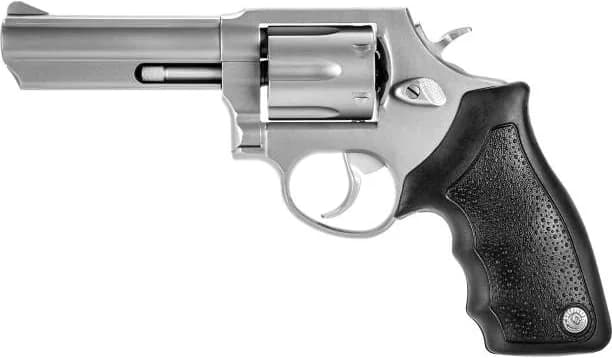
Square Butt, Forged Hammer And Trigger, Drilled and Tapped
The Model 686 family occupies a long-running place in Smith & Wesson’s L‑frame line, the company’s medium‑large frame introduced to bridge the gap between the lighter K‑frame service revolvers and the heavier N‑frame magnums. The basic 686 debuted in the early 1980s as the stainless‑steel counterpart to the blued Model 586 and was intended for users who wanted the stopping power of the .357 Magnum with a frame built to withstand regular magnum use. Over time the platform expanded into a number of variants; the “Plus” (sometimes written 686P or 686 Plus) introduced a seven‑shot cylinder in the mid‑1990s, increasing capacity without fundamentally changing the L‑frame geometry. Contemporary S&W product literature and dealer listings identify a 4‑inch satin‑stainless 686 PLUS in the company’s catalog and military/agency SKU lists as a current member of the Distinguished Combat Magnum family.
The “Distinguished Combat Magnum” label is an older marketing name for the L‑frame .357 lines but remains useful shorthand for the 586/686 lineage: a handgun family adopted by a range of law‑enforcement and professional shooters in the 1980s and 1990s for its durable frame, full‑lug barrel options and adjustable sights. The 686 Plus slots into that history as a seven‑round, stainless option intended for shooters who want an extra round and the L‑frame’s handling characteristics.
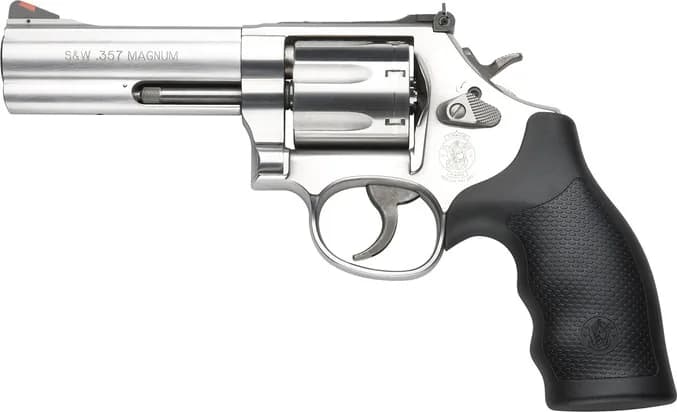
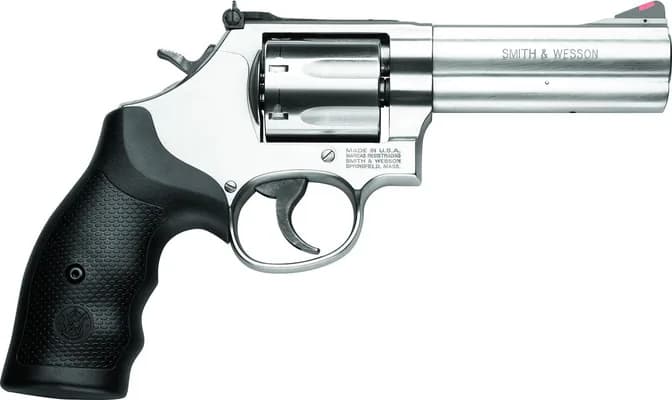
The 4‑inch 686 PLUS is built on the L (medium) frame with a full underlug/barrel shroud in many configurations, a satin stainless finish, and the seven‑round cylinder that defines the Plus models. Manufacturer catalog data lists the 4‑inch variant as a 7‑shot .357 Magnum revolver with an overall length in the neighborhood of 9.56 inches and a weight in the high‑30 ounce range—numbers that translate to a noticeably heavy, stout revolver in the hand compared with compact autopistols or K‑frame .357s. The 7‑shot cylinder increases capacity with only a modest change in cylinder diameter; otherwise the ergonomics and sight radius follow the classic L‑frame blueprint.
Sights and controls on the satin‑stainless 4‑inch production pieces typically include a red‑insert ramp front sight and a click‑adjustable rear, a square‑butt frame profile on certain configurations, and factory provisions for optics on later runs—the 686 series was revised in the 1990s to include drilled‑and‑tapped topstraps on many models for mounting bases or small red dots. The grip offered on many current examples is a synthetic/rubber style intended to moderate recoil; S&W also historically offered wood and Hogue‑style rubber grips depending on the submodel year and customer preferences. Modern production revolvers from the company also carry the factory internal key lock that was added to many S&W handguns in later production runs.
One important engineering nuance is part evolution over time: early and Performance Center 686 variants are documented with forged hammer and trigger components and pinned sears, whereas some later production updates introduced MIM parts in certain service revisions. That matters for enthusiasts who prioritize original forged components for longevity and feel; prospective buyers should verify the specific production dash and parts set on the serial range they are considering.
In practical terms the 4‑inch 686 PLUS is repeatedly praised for balance, accuracy and a very shootable trigger—especially in single‑action—relative to other production revolvers. Range reports and extended‑use writeups highlight the L‑frame’s weight and barrel length as effective at taming .357 Magnum impulse: the gun absorbs muzzle rise well for a steel revolver and points naturally owing to its substantial top‑end mass and sight radius. Reviewers who ran extended strings of both factory and handloads report consistently good accuracy for typical defensive and hunting distances, with many groups that are competitive with other premium revolvers when fired from a rest or supported position.
Trigger feel is often singled out. Out of the box double‑action pulls are described as smooth for a service revolver and single‑action breaks are typically crisp and light enough to support accurate follow‑up shots. Anecdotal trigger‑weight figures vary with model year and whether a Performance Center action job was applied, but the general consensus among reviewers is that the 686 Plus’s trigger is a strong suit and contributes meaningfully to the platform’s reputation for accuracy. Durability reports are similarly favorable: the L‑frame design was explicitly developed to stand up to frequent .357 Magnum use and modern production examples are robust shooters for thousands of rounds when maintained properly.
Recoil and controllability are a function of ammunition choice and the revolver’s mass. With full‑power .357 Magnum loads the 4‑inch L‑frame will still kick more than a comparably sized .45 or 9mm autoloader in many shooters’ hands, but the weight and grip design reduce sharpness of the impulse; many shooters prefer +P .38 Special or lighter‑profile factory Magnum loads for extended practice while reserving heavier loads for defensive or hunting use.
The 4‑inch 686 PLUS is a true do‑everything wheelgun. It performs well at the range for accuracy and target work, is robust enough for handgun hunting at moderate distances, and remains a credible home‑defense revolver with ample terminal performance when loaded with .357 Magnum rounds. The extra seventh round is a material advantage in defensive scenarios where more capacity matters but the shooter prefers revolver simplicity. Its size and weight make it less than ideal for deep concealment carry for most people, but the 4‑inch configuration can be carried in a belt holster or as a service sidearm by users who accept the tradeoff of weight for performance. Drilled‑and‑tapped topstraps on later runs also make the model adaptable for optics, which expands its utility in competition and hunting roles.
Limitations are straightforward: it is not a low‑profile carry gun for most users, ammunition recoil with heavy magnums is stout, and some shooters object to the factory internal lock or to later MIM‑component changes versus older forged hardware. Also, while optics provision exists on many later models, adding electronic sights to a revolver still requires attention to mounting solutions and sight picture differences versus pistols.
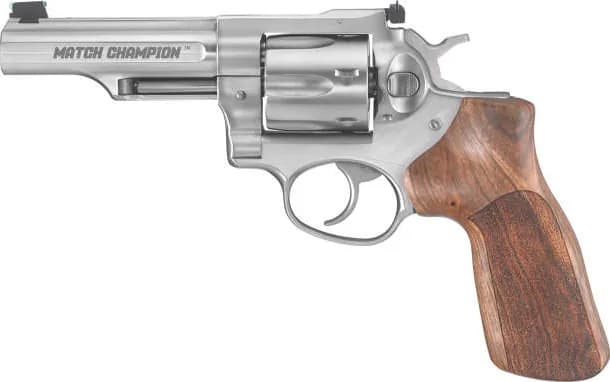
In the broader market the Model 686 Plus sits among well‑established stainless L‑frame revolvers such as the Ruger GP100 and older Colt Python iterations. Its selling points are the S&W L‑frame lineage, the widely regarded trigger and accuracy out of the box, seven‑round capacity in the Plus variants, and deep aftermarket support for grips, holsters and sighting options. Reviews and value guides place the 686 Plus as a premium, but not exotic, option—more expensive than economy wheelguns but generally judged a good long‑term value for buyers who want a robust, accurate .357 Magnum revolver. Compared with competing large‑frame .357s, the 686 Plus is frequently characterized as offering an excellent balance of tradition, durability and shootability rather than chasing the highest possible polish, exotic materials or boutique features.
For shooters who prioritize a proven, all‑steel shooting platform with seven rounds of .357 capability, the 4‑inch Model 686 PLUS represents a conservative, well‑engineered choice rooted in a decades‑long S&W lineage—one that remains familiar to law enforcement, hunters, and revolver aficionados who prize reliability and accuracy across a broad range of tasks.
Start with a practical guide if you want a faster way to narrow the field before comparing specific models.
A practical guide to comparing handguns the right way: what actually matters, what to ignore, and how to use comparison tools effectively.
Read guideFirst-time buyersLearn how to choose your first handgun by focusing on size, comfort, ease of use, and budget instead of getting lost in unnecessary details.
Read guide