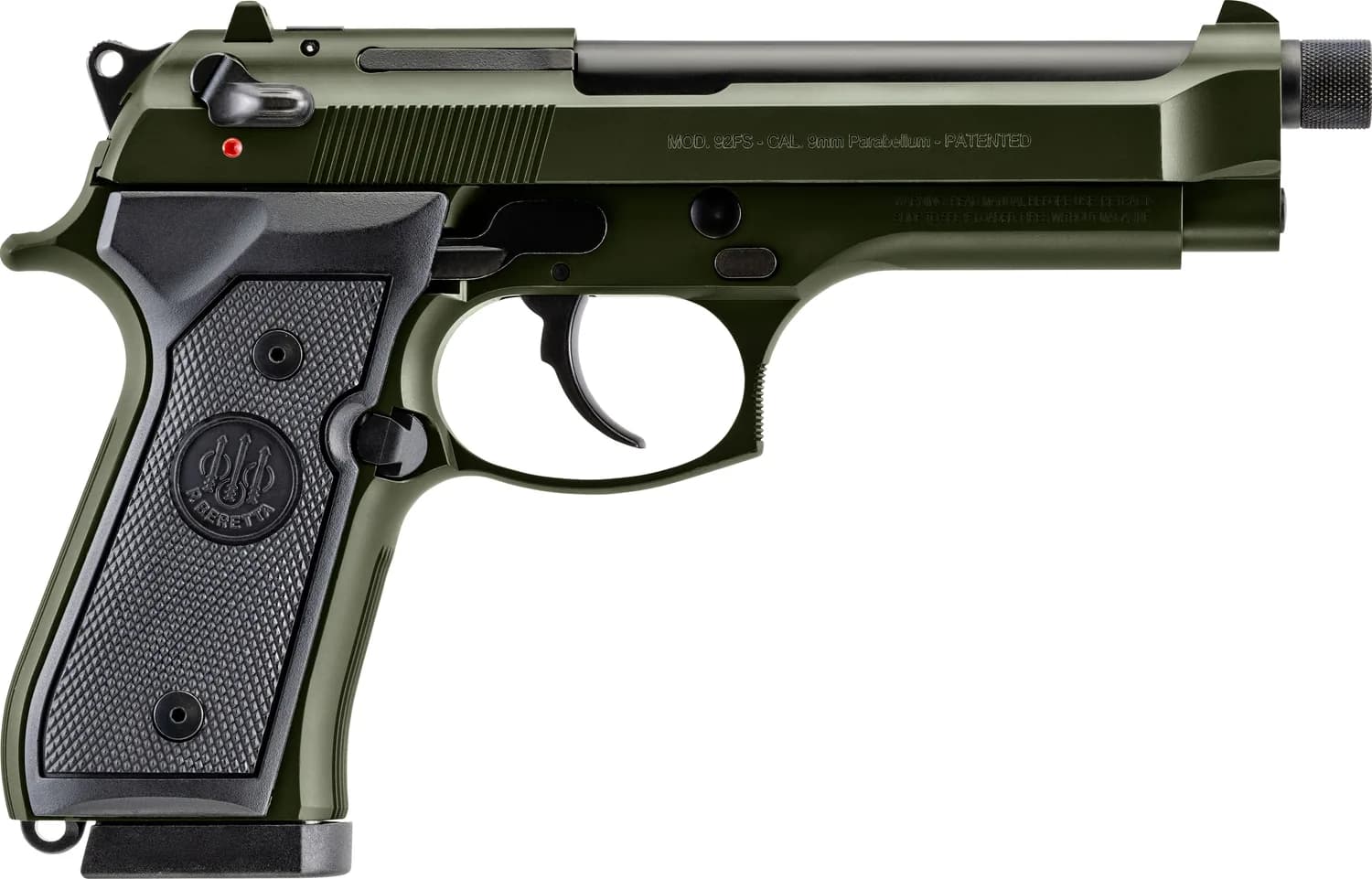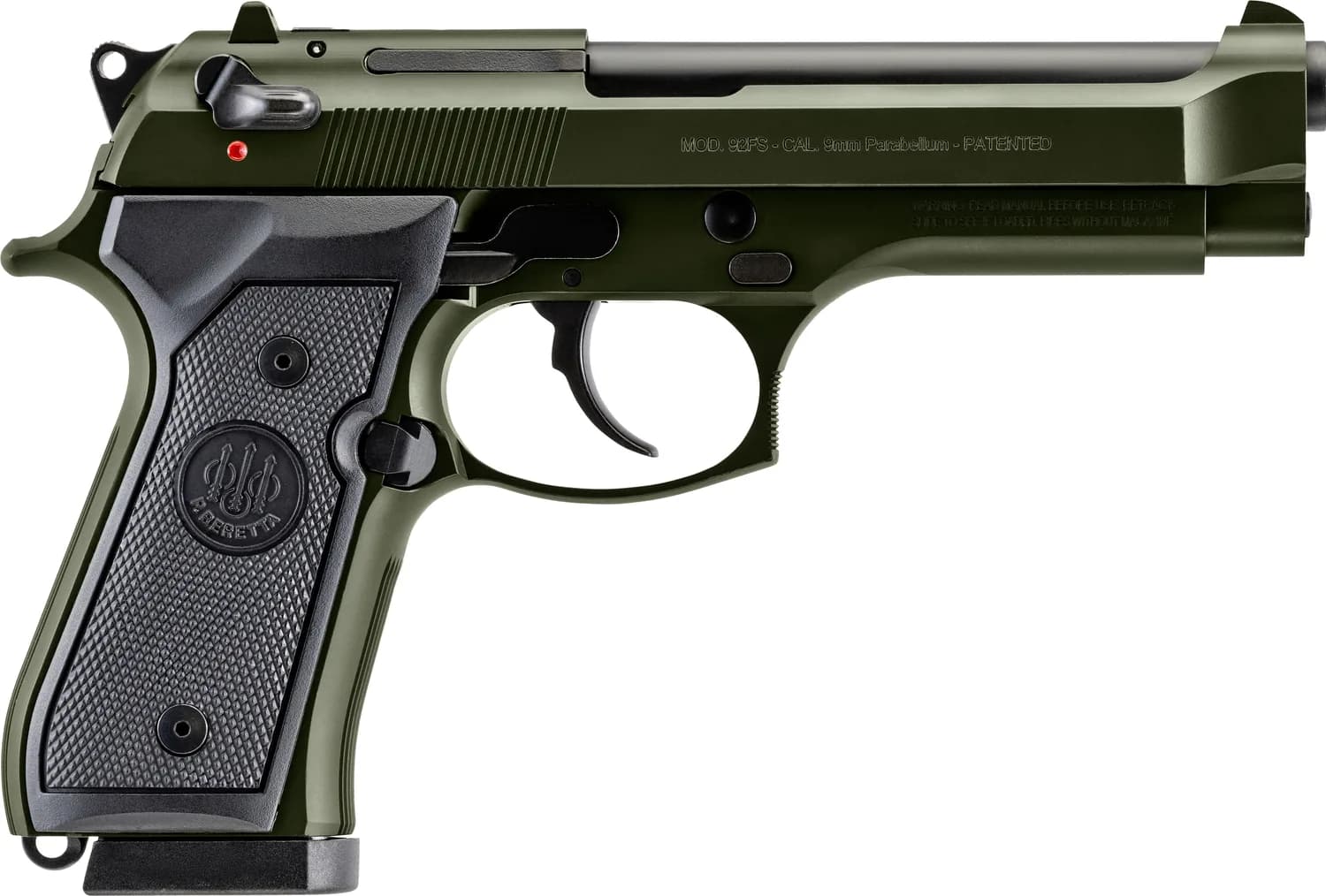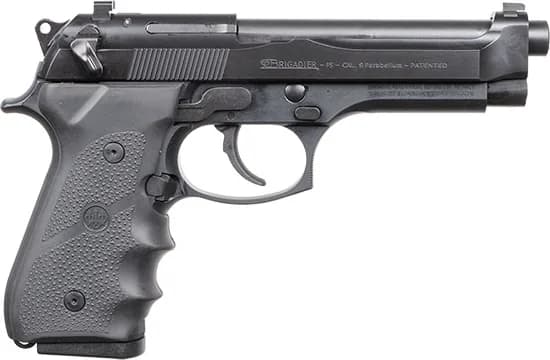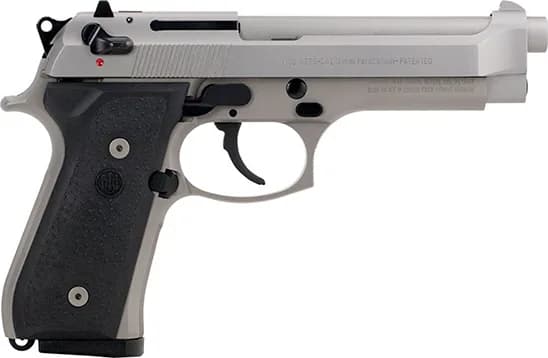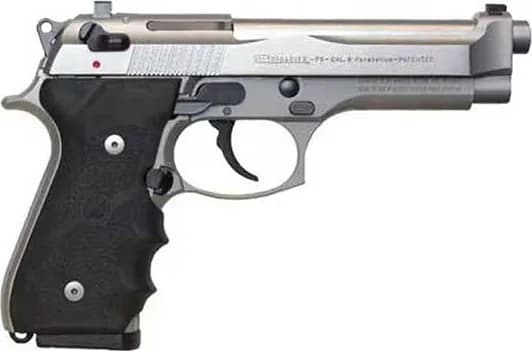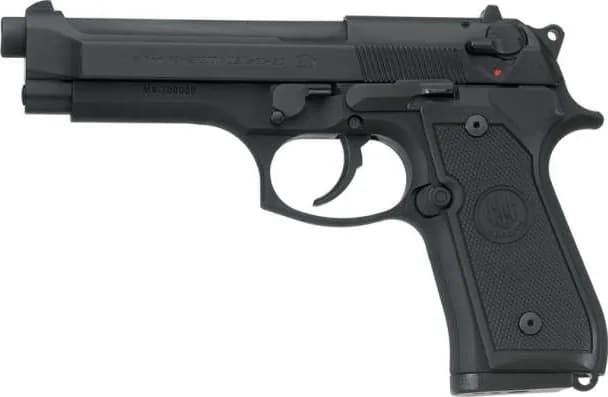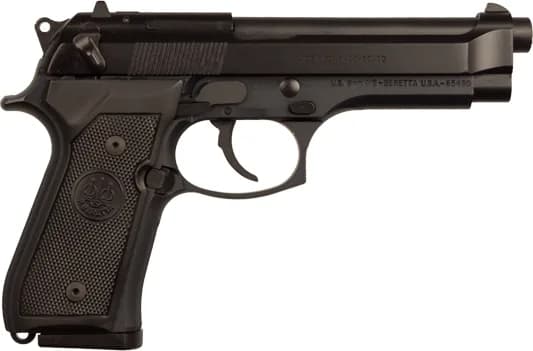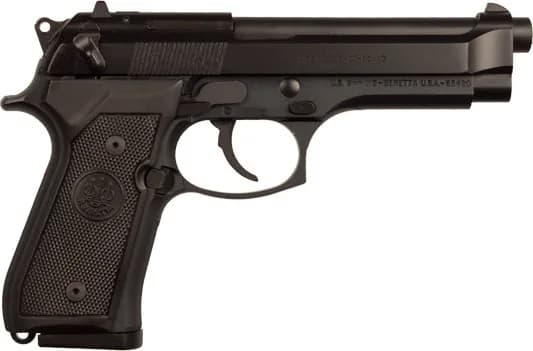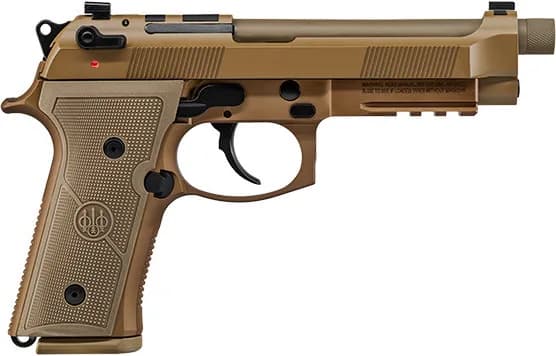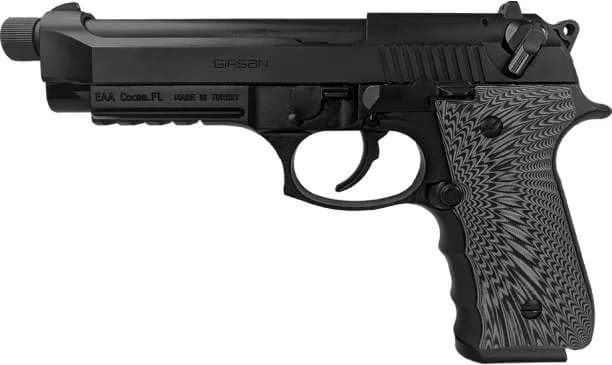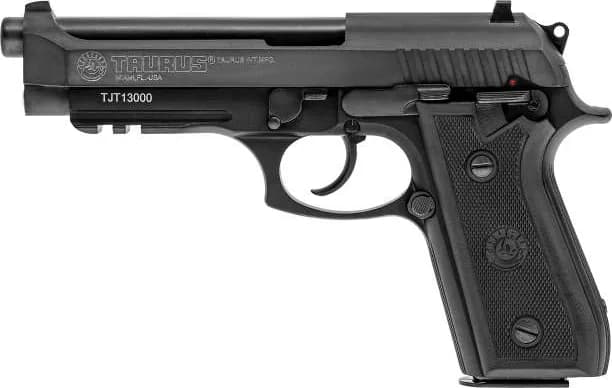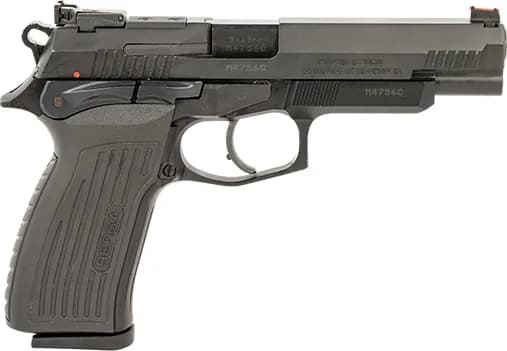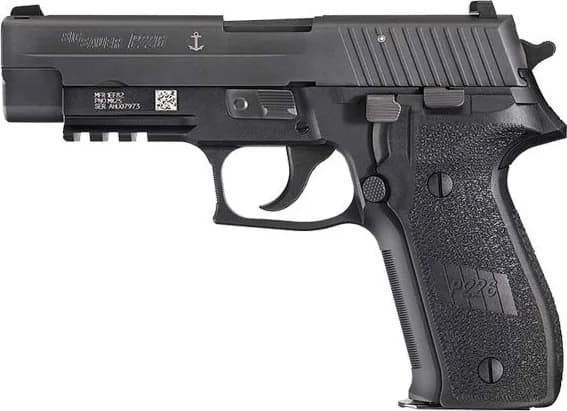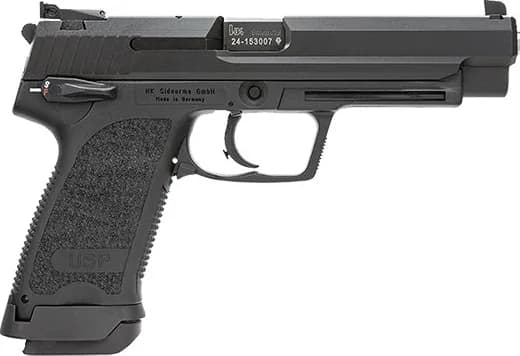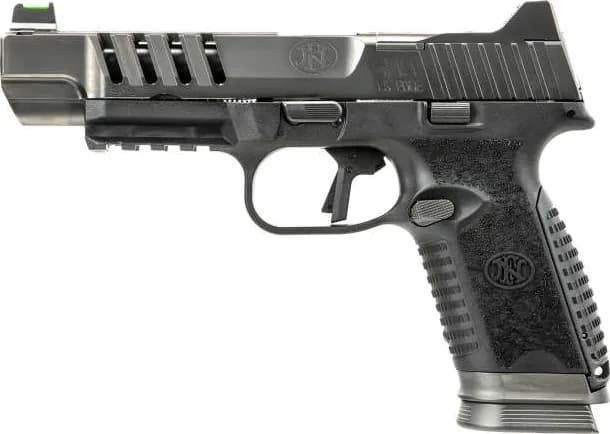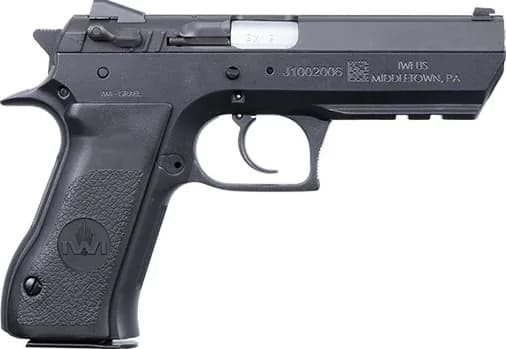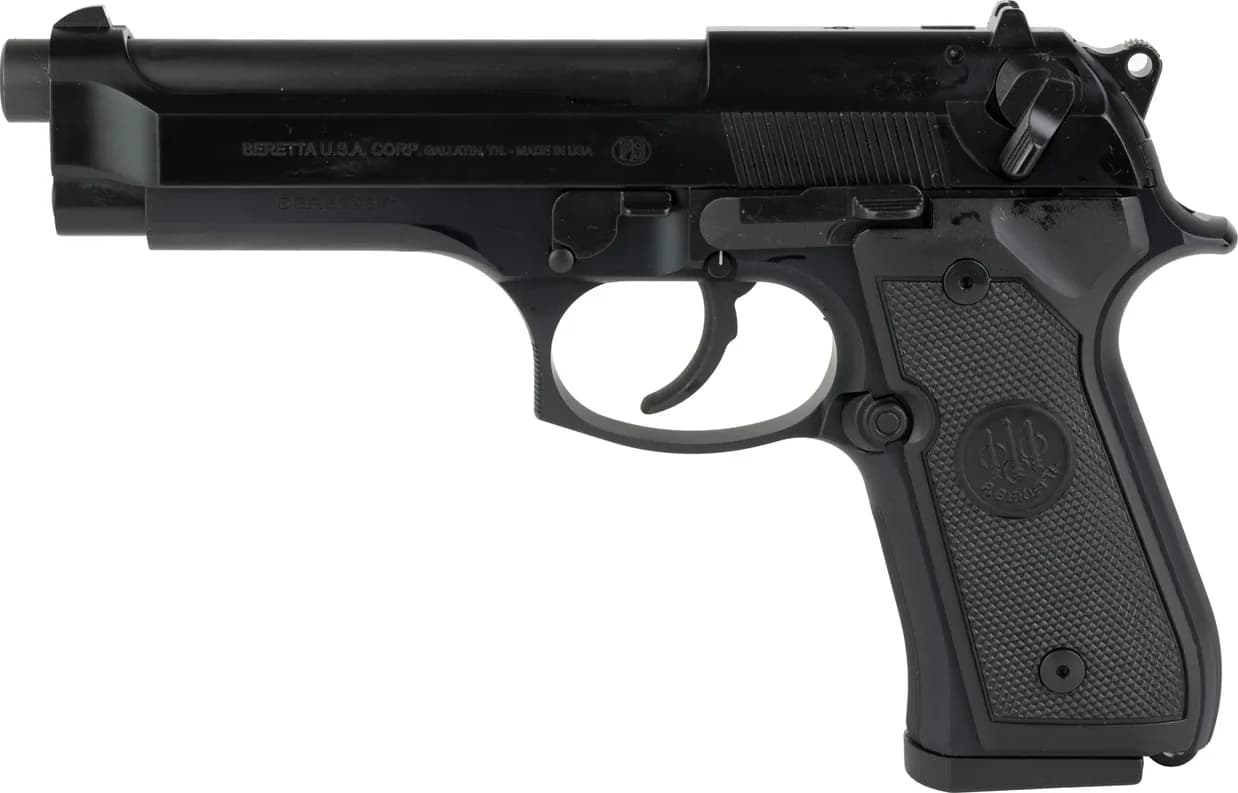
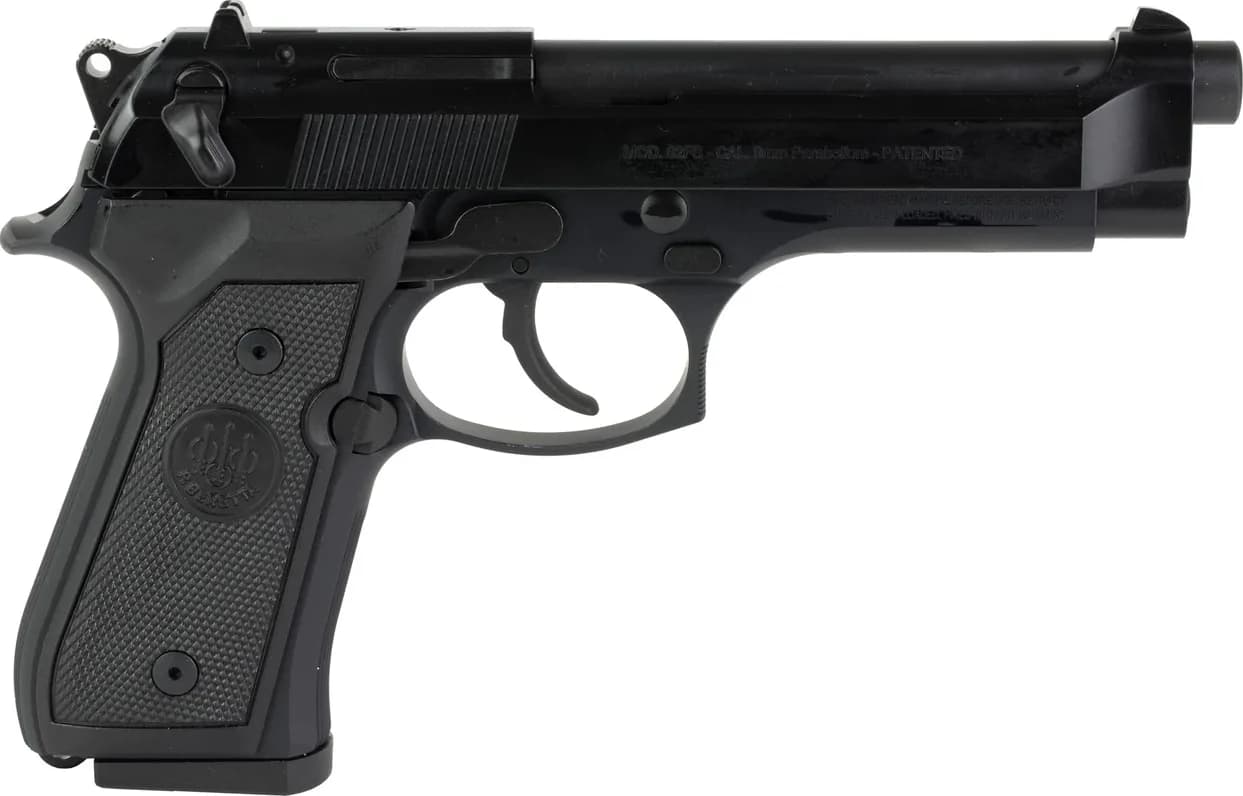
Combat Trigger Guard, Chrome-lined Barrel, Lanyard, Loop, Reversible Magazine Release, Made in USA
Few pistols command the kind of immediate recognition the Beretta 92FS does. Introduced as part of the long‑running 92 family, the 92FS is a full‑size, steel‑framed, double‑action/single‑action 9×19mm service pistol built with a 4.9‑inch barrel and a 15‑round standard magazine. Its design language—open slide, broad beavertail, and a squared front of the trigger guard—reflects a platform tuned for durability, control, and high‑capacity service use rather than minimal concealment. These characteristics helped the basic 92 design become a global service pistol and set the context for the 92FS variant that followed.
The Beretta 92 series traces back to the mid‑1970s; successive refinements produced the 92F and later the 92FS, which consolidated interchangeability and added the “FS” safety/decocker mechanism and other user‑focused improvements. The platform’s most visible distinction is its adoption as the U.S. military’s M9 in the 1980s, which cemented the 92 family’s reputation for service reliability and helped sustain a commercial presence for decades. Within Beretta’s consumer lineup the 92FS occupies the role of the classic, full‑sized metal pistol: not the lightest or most modern in ergonomics, but one of the most proven and widely supported platforms the company offers.
Mechanically the 92FS is a short‑recoil, locked‑breech pistol that operates in double‑action on the first shot and single‑action on subsequent shots. The open‑top slide and chamber feed angle are hallmarks of the series and are often credited with forgiving feeding geometry that works reliably with a broad spectrum of factory ammunition. The 92FS configuration discussed here features a matte Bruniton slide finish, a chrome‑lined barrel, ambidextrous slide‑mounted safety/decocker, reversible magazine release, lanyard loop, and a squared “combat” trigger guard—features consistent with a service pistol intended to be used hard and maintained easily. The unloaded weight (approximately 34.4 oz) and 8.5‑inch overall length give the pistol a steady, muzzle‑stable feel that reduces perceived recoil and aids follow‑up shots, though it also makes the gun a poor candidate for concealed daily carry for many shooters.
Ergonomically, the 92FS’s full‑size grip frame and broad palmswell suit shooters who prefer a larger platform. The grip angle and width are comfortable for many users and contribute to repeatable pointing for precision at service pistol ranges, but shooters with smaller hands often report needing to adjust purchase to reach the trigger comfortably. The slide’s three‑dot dovetail sights are low‑profile yet serviceable; the slide‑mounted safety/decocker presents a deliberate manipulation method that blends a safety function with hammer control rather than a striker‑style passive safety.
Across long‑form reviews and range reports the 92FS consistently earns praise for accuracy and reliability. Reviewers who evaluate precision at 25–50 yards report very good groups for a mass‑production service pistol—attributes commonly attributed to the fixed (locked) barrel geometry and substantial sight radius. The single‑action trigger break is widely described as clean and predictable, while the double‑action first pull is notably heavier and longer; that contrast is intrinsic to the DA/SA arrangement and is often cited as a shortcoming for new shooters who prefer consistent trigger pulls from shot to shot. Experienced users see the DA/SA as a safety and handling tradeoff: a heavier first pull as a deliberate first‑round measure, then a light, accurate follow‑up single‑action break.
Reliability reports tend to reflect the platform’s service pedigree: the open slide and feed geometry are credited with robust function across varied loads, and the chrome‑lined bore and Bruniton finish are highlighted for resistance to corrosion and wear in harsh environments. Durability narratives draw weight from the pistol’s long service life with military and police units, though like any widely produced design, individual factory runs and aftermarket parts can vary; modern reviewers note that a well‑maintained 92FS will tolerate high round counts and diverse ammunition with little complaint.
Where the 92FS excels is obvious: duty, home defense, range use, and any role where a full‑size, metal‑framed pistol’s accuracy, controllability, and magazine capacity are prized. Its length and weight make it naturally stable for precision work and fast follow‑ups, and the 15‑round standard capacity offers a competitive edge compared with some single‑stack or compact platforms. The pistol’s construction—robust slide, chrome‑lined bore, and corrosion‑resistant finish—also make it a practical choice for shooters who expect heavy use or exposure to the elements.
Limitations are equally clear: the 92FS is relatively large and heavy compared with polymer‑framed compact 9mm pistols and therefore less suited to everyday concealed carry for many people. The DA/SA trigger system, while favored by many traditionalists, introduces a two‑stage skill requirement that newer shooters sometimes find awkward compared with consistent single‑action or striker‑fired triggers. Finally, the long slide and exposed barrel profile make holster selection and concealment more complicated than for modern compact designs.
In a market dominated commercially by lightweight polymer striker pistols, the Beretta 92FS sits in the “classic full‑size metal” niche. It is not intended to compete on minimal weight or maximum concealability, but rather on proven service pedigree, all‑metal durability, and ergonomics that favor accuracy and controllability. For buyers seeking a full‑sized 9mm with an established track record, plentiful aftermarket support, and a traditional DA/SA manual of arms, the 92FS continues to represent strong value—particularly for those who prioritize reliability and a rugged finish over the latest ergonomics or compact dimensions. Compared with contemporary polymer options, the tradeoffs are plain: the 92FS offers robustness and handling at the cost of extra bulk and a more complex trigger system. Reviewers and long‑time users often frame its value less in sticker price and more in the platform’s longevity, parts availability, and the years of operational history that back its performance claims.
For shooters who accept its size and manual of arms, the 92FS remains a sensible, proven tool: an old‑school full‑metal pistol that continues to serve where steady handling, simple maintenance, and battlefield‑proven reliability matter most.
Start with a practical guide if you want a faster way to narrow the field before comparing specific models.
Learn how to choose the right 9mm handgun based on size, budget, and how you plan to use it.
Read guideCarry-focused shoppersLearn how to choose the right concealed carry handgun based on size, comfort, safety, and everyday usability.
Read guideHome-focused buyersLearn how to choose the right handgun for home defense based on safety, ease of use, and practical everyday considerations.
Read guide