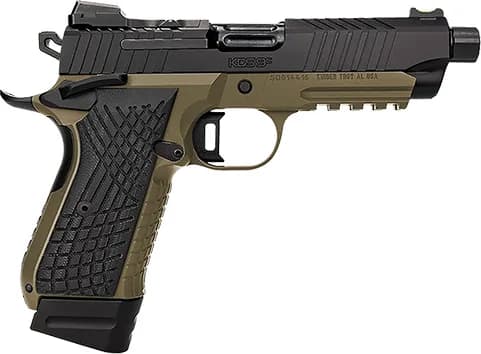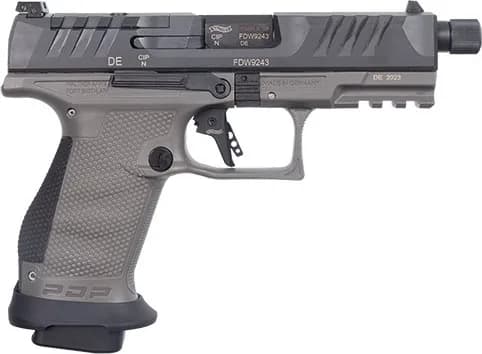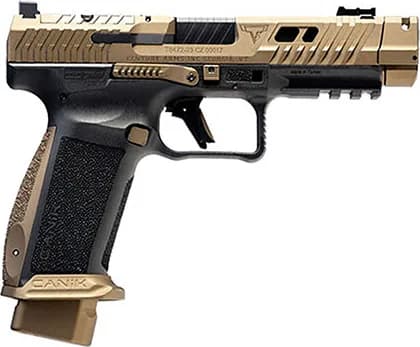
Affiliate disclosure: HandgunCloud may earn a commission if you continue to the retailer and complete a purchase.
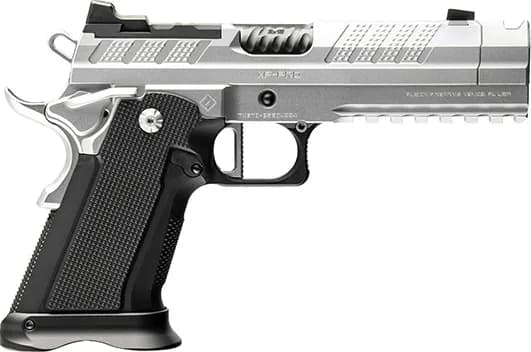
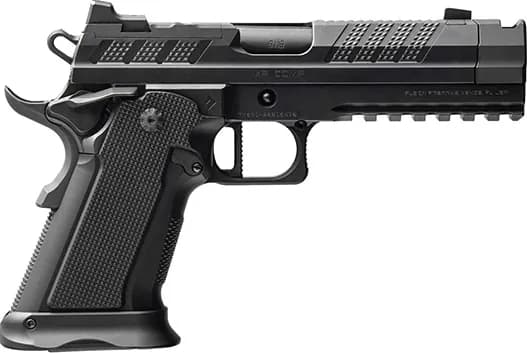
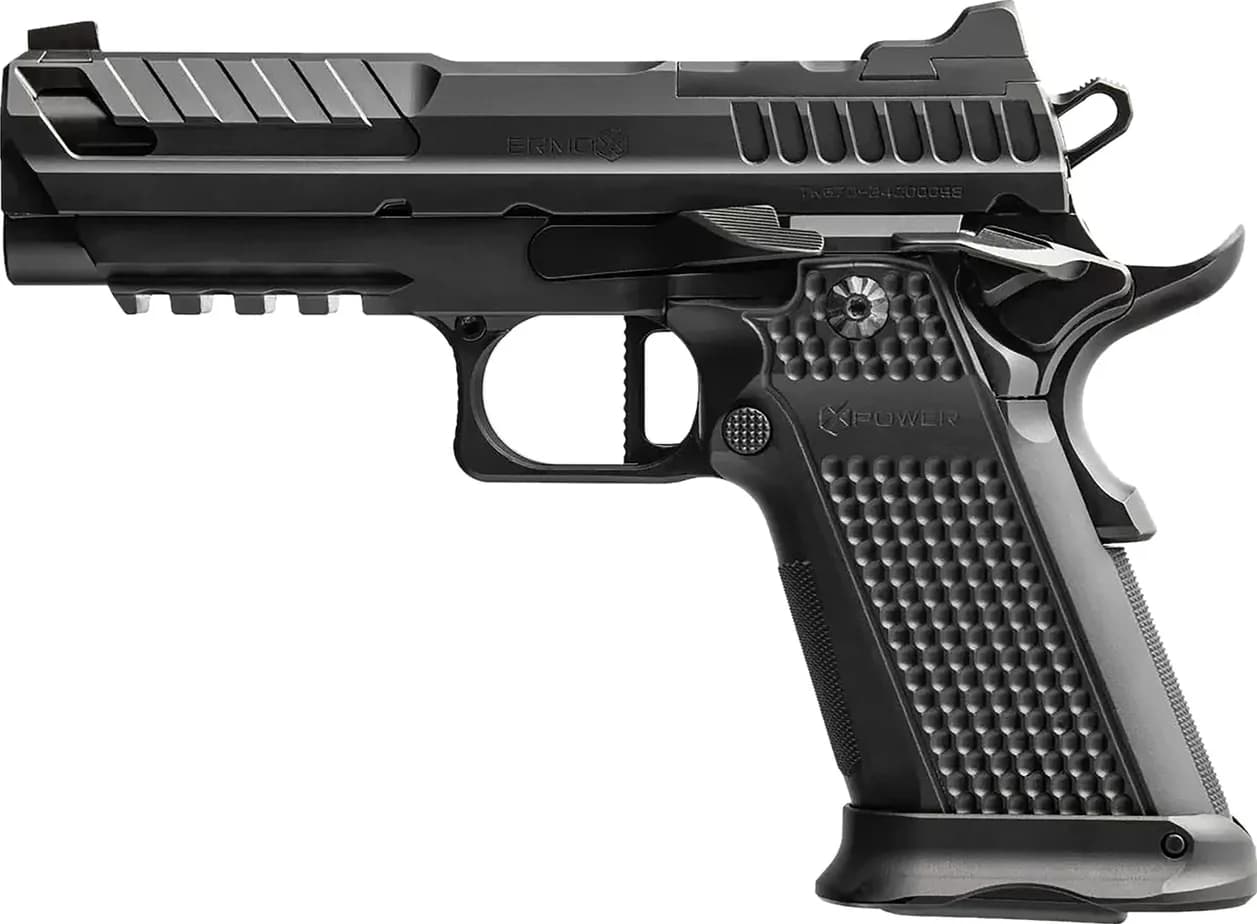
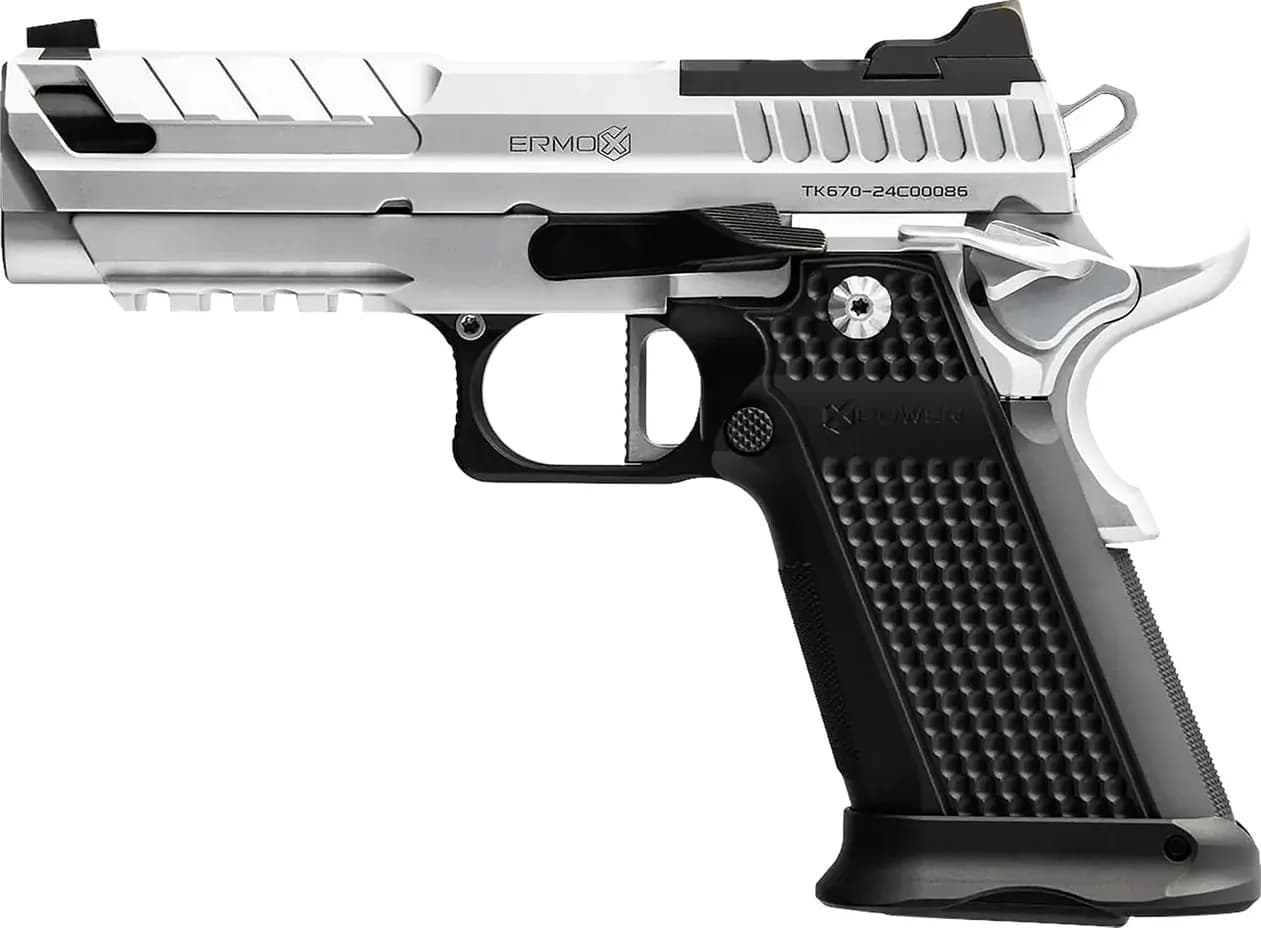
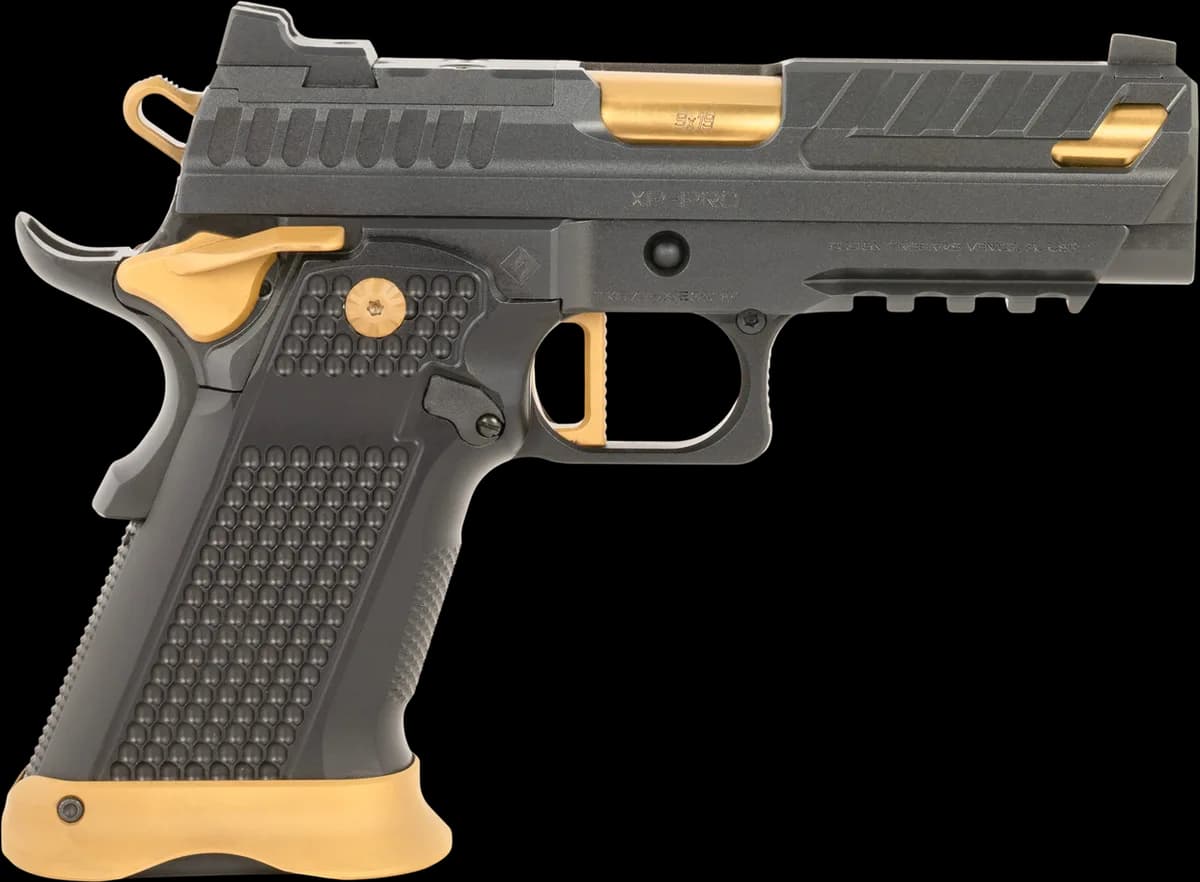
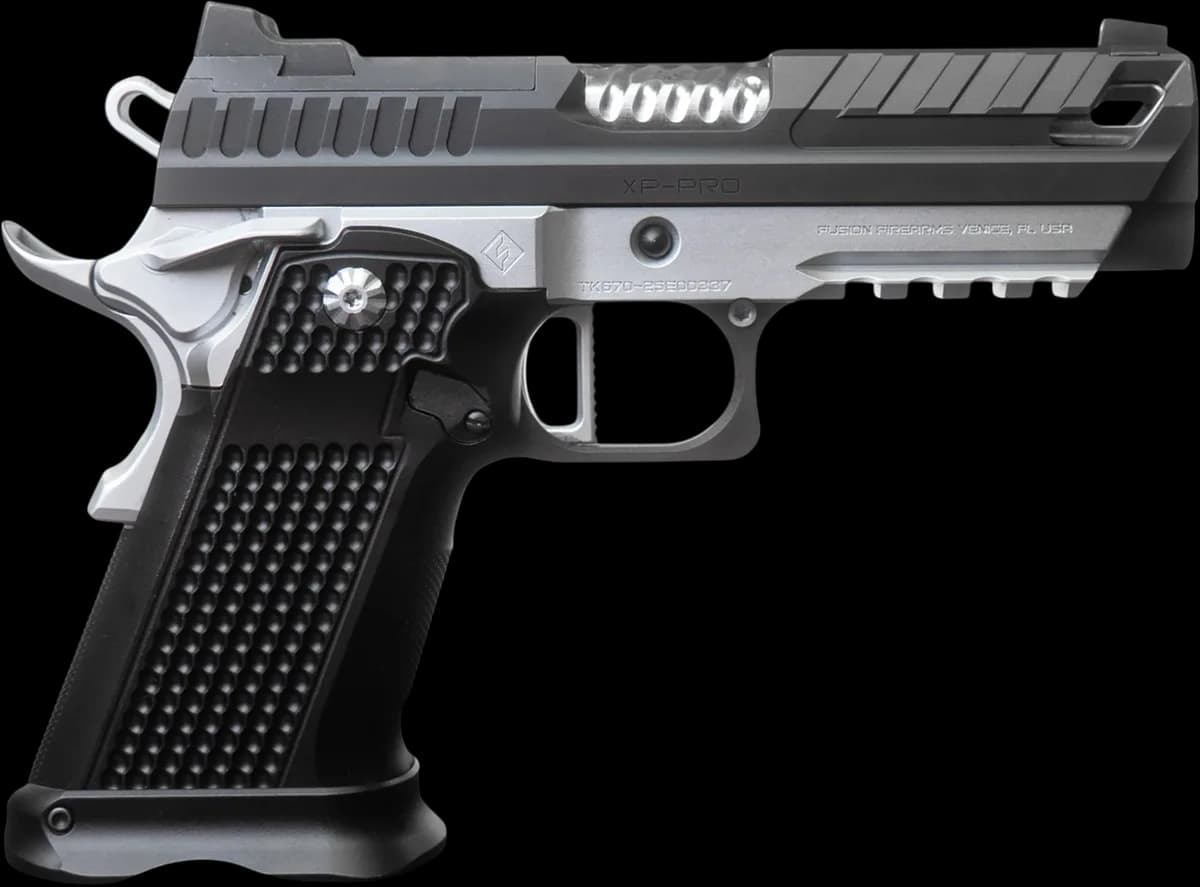
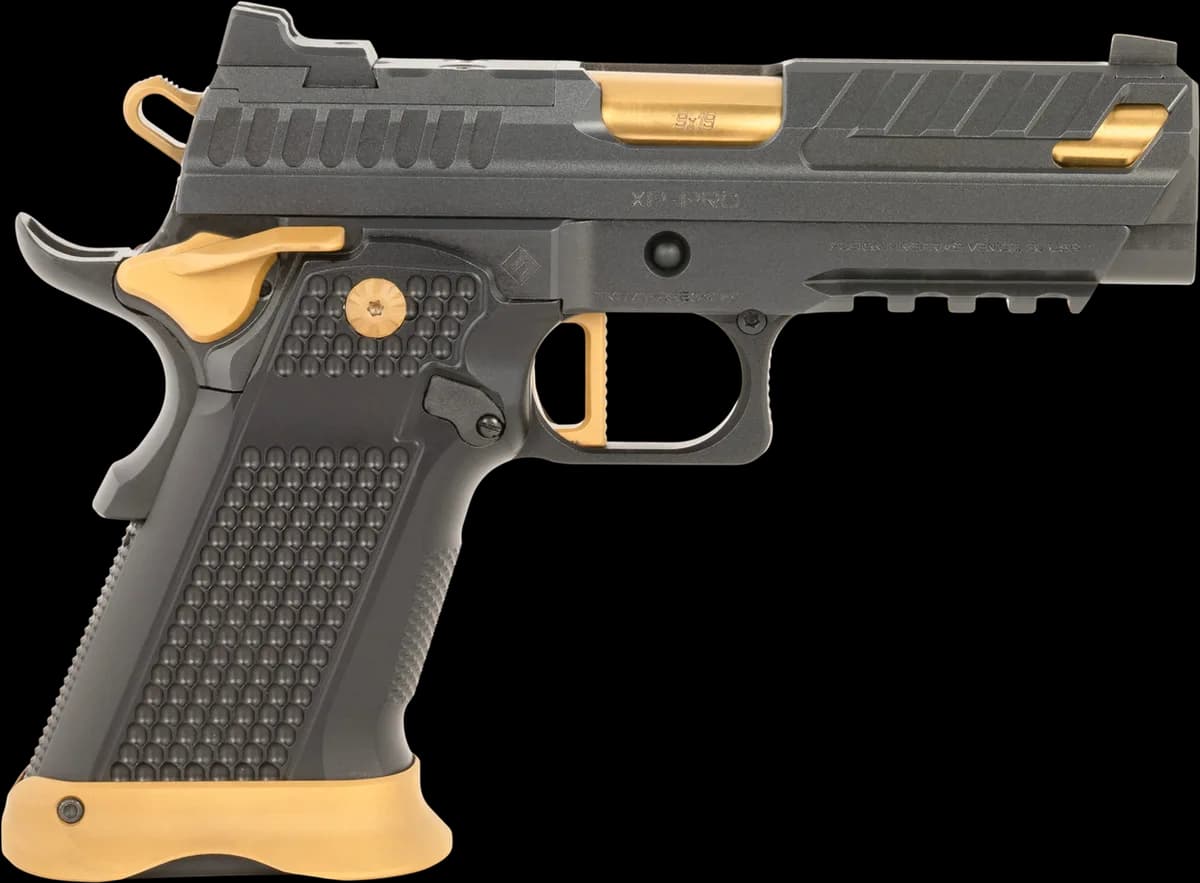
Buy from Impact GunsFusion Firearms introduced the XP Comp in late 2025 as a factory-compensated extension of its XP family, positioning the model as the next evolutionary step from the XP Pro. The company framed the pistol as a response to customer demand for a comped, wide-body 2011-style platform that blends 1911-style controls and triggers with modern double‑stack capacity and optics readiness. The XP Comp was developed with external partners and in‑house test teams, and Fusion made a point of retaining the match-grade features of the XP line while adding an integrated compensator and other refinements.
The XP Comp sits on the larger XP ladder as a performance-oriented full‑size option: it is aimed at shooters who want a controllable, competition-capable pistol that still reads and handles like a 1911-derived design, rather than buyers seeking the lightest or smallest daily-carry package. That intent—competition, range performance and controllability—guided the feature set Fusion shipped from the factory.
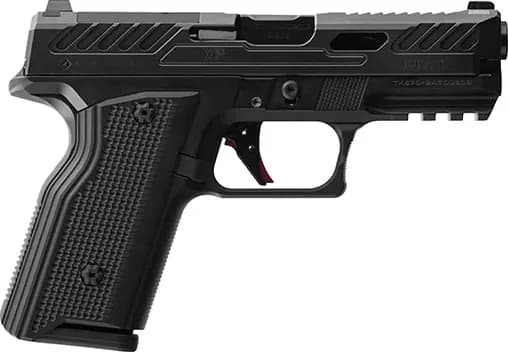
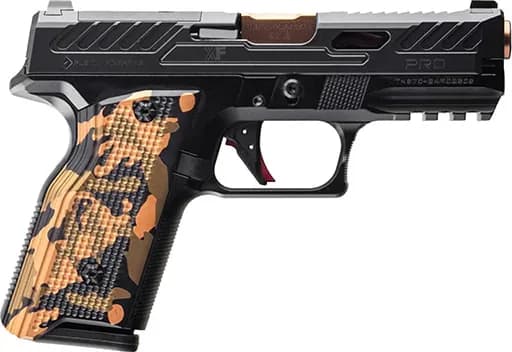
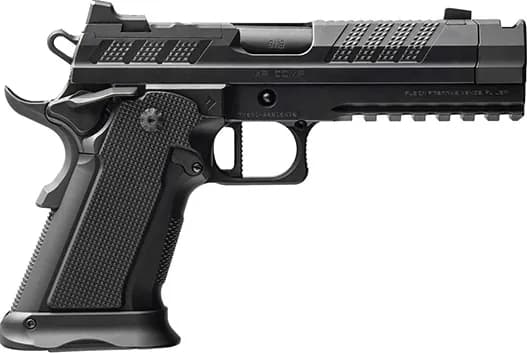
Physically, the XP Comp follows the wide‑body 2011 template: heavier steel slide and upper frame, a full‑size grip module to accept double‑stack magazines, and an optic-ready slide with factory plates. Fusion’s published materials call out a 4.6‑inch bull barrel, a pinned, threadless compensator system designed to tame muzzle rise without the aesthetic or mechanical compromises of a threaded barrel, Novak-style sights up front and rear, and a Tenifer/QPQ-style surface treatment on steel parts. The pistol is built around a single‑action trigger and carries a grip safety plus ambidextrous manual safeties—features that reinforce its 1911 lineage while accommodating modern ergonomics.
That hardware translates to a distinct balance and handling profile. The heavier steel upper and a compensated muzzle generally produce a lower perceived muzzle flip and a “flatter” recovery between rounds, which is beneficial for fast follow-up shots; the weight also reduces felt recoil compared with lighter alloy or polymer frames. The optics plate approach (Fusion ships RMR and RMS/C plates with many packages) preserves quick reflex aiming options while allowing shooters to fit a range of micro‑red dots. Fusion and independent analysts emphasize bar‑stock CNC construction and careful component selection as deliberate choices to give the platform the mechanical strength and longevity expected in high‑round-count use.
Range reviewers and early owners report broadly positive controllability and dot tracking: the compensator and the mass of the slide make the XP Comp feel relatively soft and flat shooting for a full‑size comped 9 mm. Review coverage that included live‑fire noted fast sight‑reacquisition and pleasant trigger characteristics at the bench. At the same time, some early field reports document teething issues that prospective buyers should know about—chiefly magazine compatibility and spring tuning. Multiple user threads and a few independent range reviews mention instances where certain Glock‑pattern magazines (notably some Mec‑Gar builds and a few aftermarket variants) failed to seat or function reliably without minor magazine or frame adjustments, and at least one reviewer observed an over‑light recoil spring setup that produced occasional light‑battery or short‑stroking events on first runs. Fusion documentation and dealer guides acknowledge magazine fit and recommend testing with OEM Glock magazines and appropriate recoil‑spring tuning as part of break‑in.
Durability impressions are mixed but broadly favorable: the platform’s CNC bar‑stock construction and heavy steel components win praise for robustness and longevity in both professional writeups and enthusiast analysis, while a few owners have called out finish inconsistencies or optic‑plate sensitivity (reports of bent plates or screw issues when owners used incorrect screw lengths). Those are fixable problems, but the volume of aftermarket and owner‑reported fixes suggests prospective buyers should plan for an initial setup and verification session—especially if they intend to mount an optic or use a wide variety of magazines.
The XP Comp excels where its designers intended: competition, speed/precision range work, and anyone prioritizing controllability in a full‑size pistol. The integrated compensator and heavier slide make it easy to run fast strings with minimal dot dip, and the one‑piece trigger geometry and 1911 ergonomics appeal to shooters who prefer a crisp single‑action break. The optic‑ready slide and included plates mean the gun can be set up for practical‑style red‑dot shooting out of the box.
Limitations are predictable from the package: it is a full‑size, relatively heavy metal pistol with a compensator that increases muzzle blast and flash compared with un‑comped designs, so it is not ideal as an everyday concealed carry piece for most users. Holster fit is another practical constraint—compensators and slightly altered muzzle profiles mean some holsters built for earlier XP models or other 2011s won’t fit without modification or a model‑specific shell. Finally, because magazine compatibility and spring selection influence reliability on early production runs, the gun is best treated as a performance platform that benefits from verification and setup rather than a drop‑in striker‑fired “buy and run” product.
When compared with other comped 2011 and performance‑oriented pistols at similar price tiers, the XP Comp’s strengths are its combination of optics readiness, an integrated compensator, and its use of Glock 17 pattern magazines—an attractive logistical advantage for shooters who want easy access to spare magazines. Enthusiast commentary and industry analysis position the XP Comp as a competitive value against alternatives like compact comped 2011 clones and other mid‑market comped pistols; many owners note that its steel construction and feature set give it a “near‑custom” feel at what reviewers describe as a disruptive price point for this class. That said, the platform arrived into a crowded space with established alternatives, and real‑world reputation will depend on the company’s ability to resolve early fitment and magazine issues and to sustain quality control through successive production runs.
Across the first months of ownership reports, the XP Comp reads like a serious contender for shooters who want an optics‑ready, comped 2011 experience without stepping into the boutique custom price bracket—so long as buyers understand the set‑up and magazine‑compatibility particulars that have accompanied early production.
Start with a practical guide if you want a faster way to narrow the field before comparing specific models.
Learn how to choose the right 9mm handgun based on size, budget, and how you plan to use it.
Read guideHome-focused buyersLearn how to choose the right handgun for home defense based on safety, ease of use, and practical everyday considerations.
Read guideComparison-focused shoppersA practical guide to comparing handguns the right way: what actually matters, what to ignore, and how to use comparison tools effectively.
Read guide