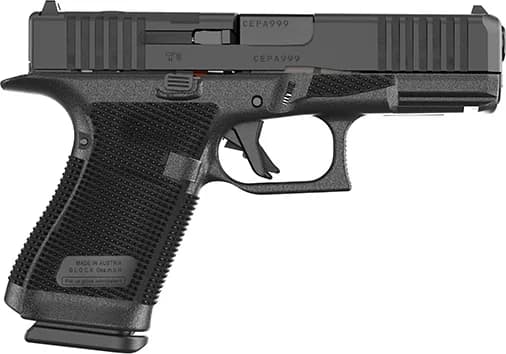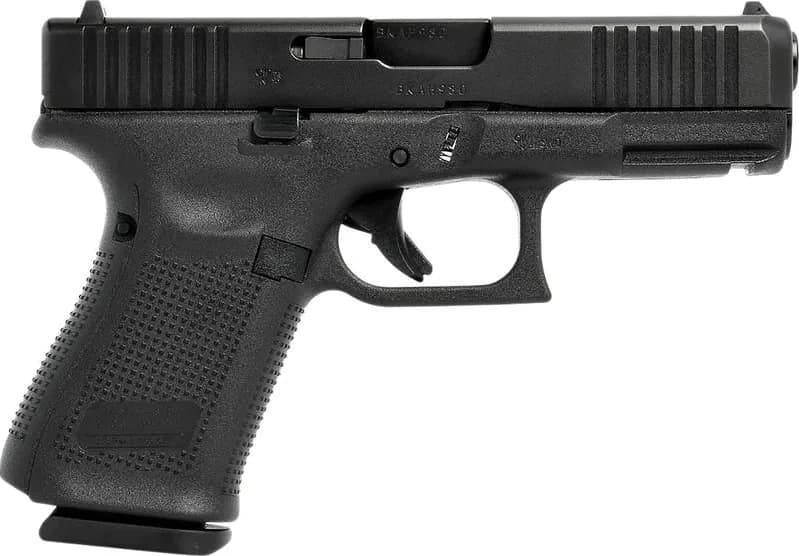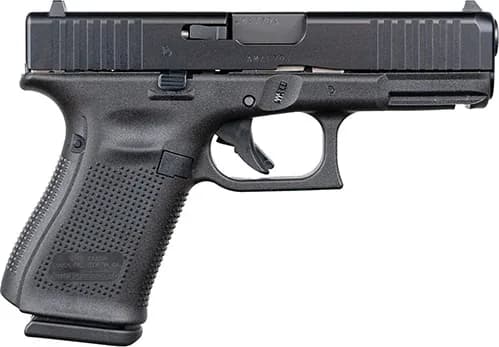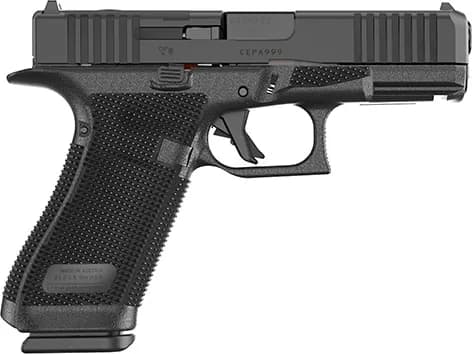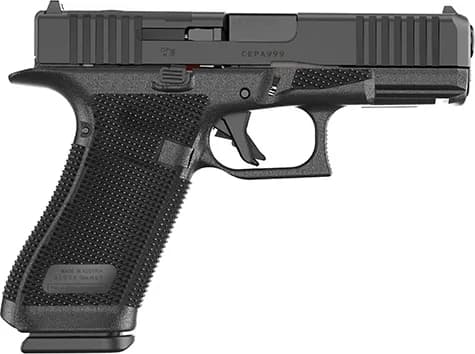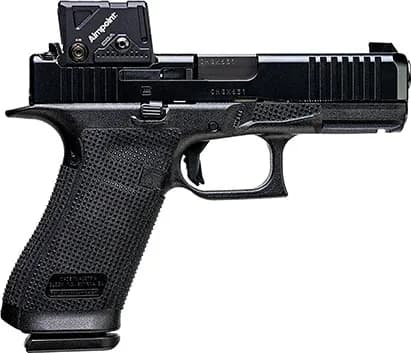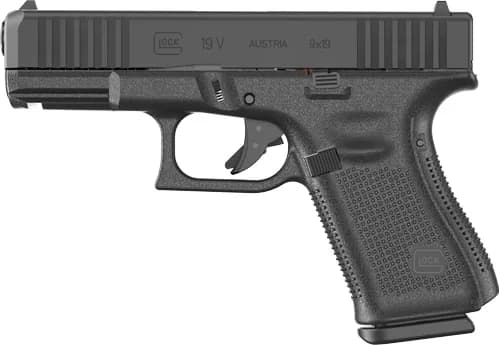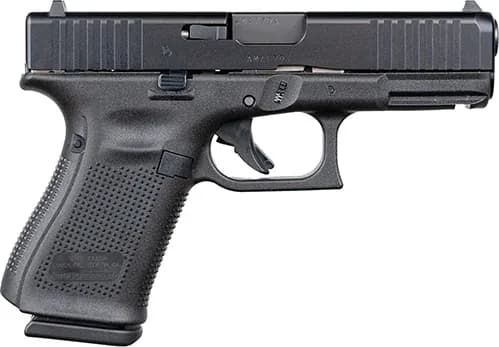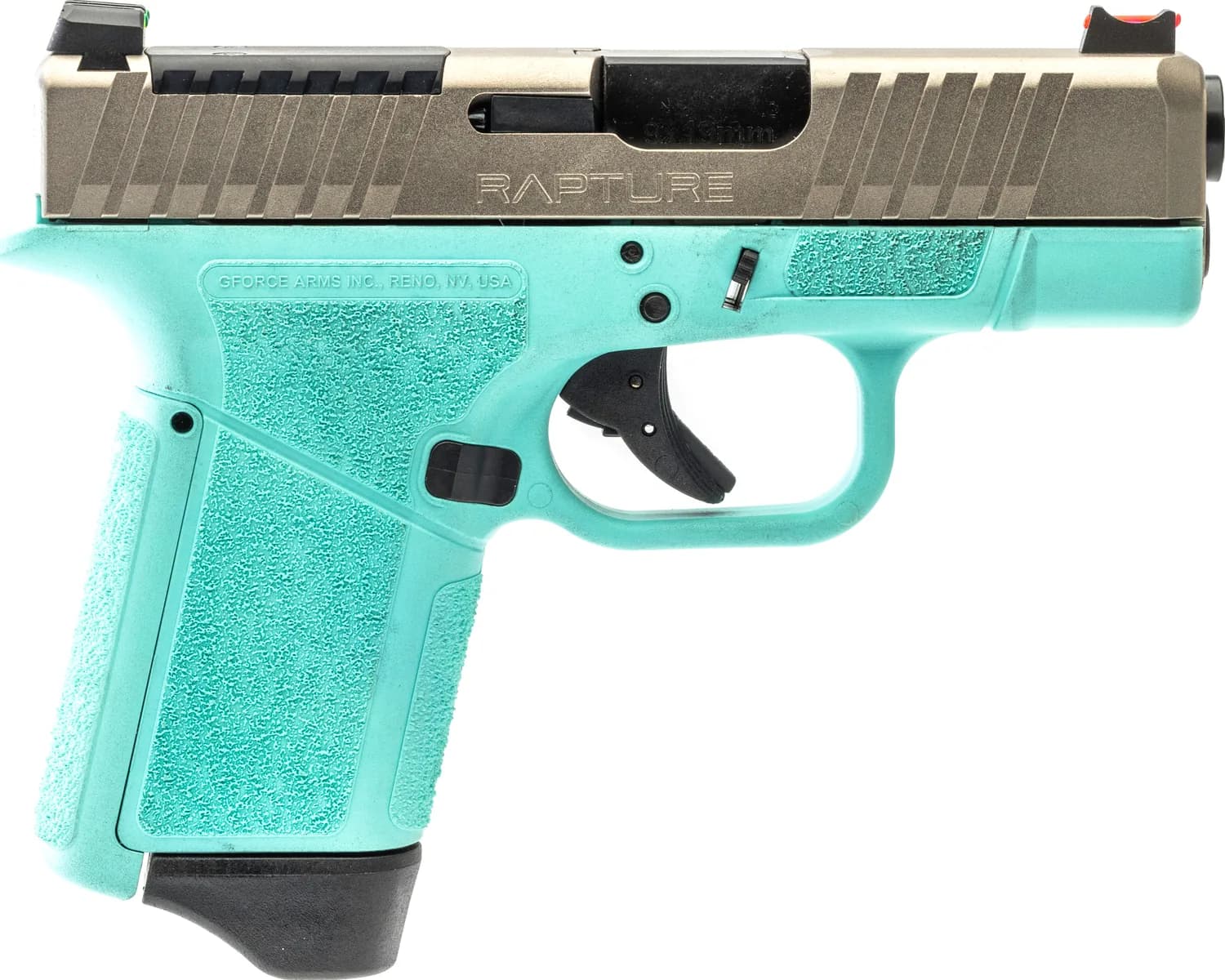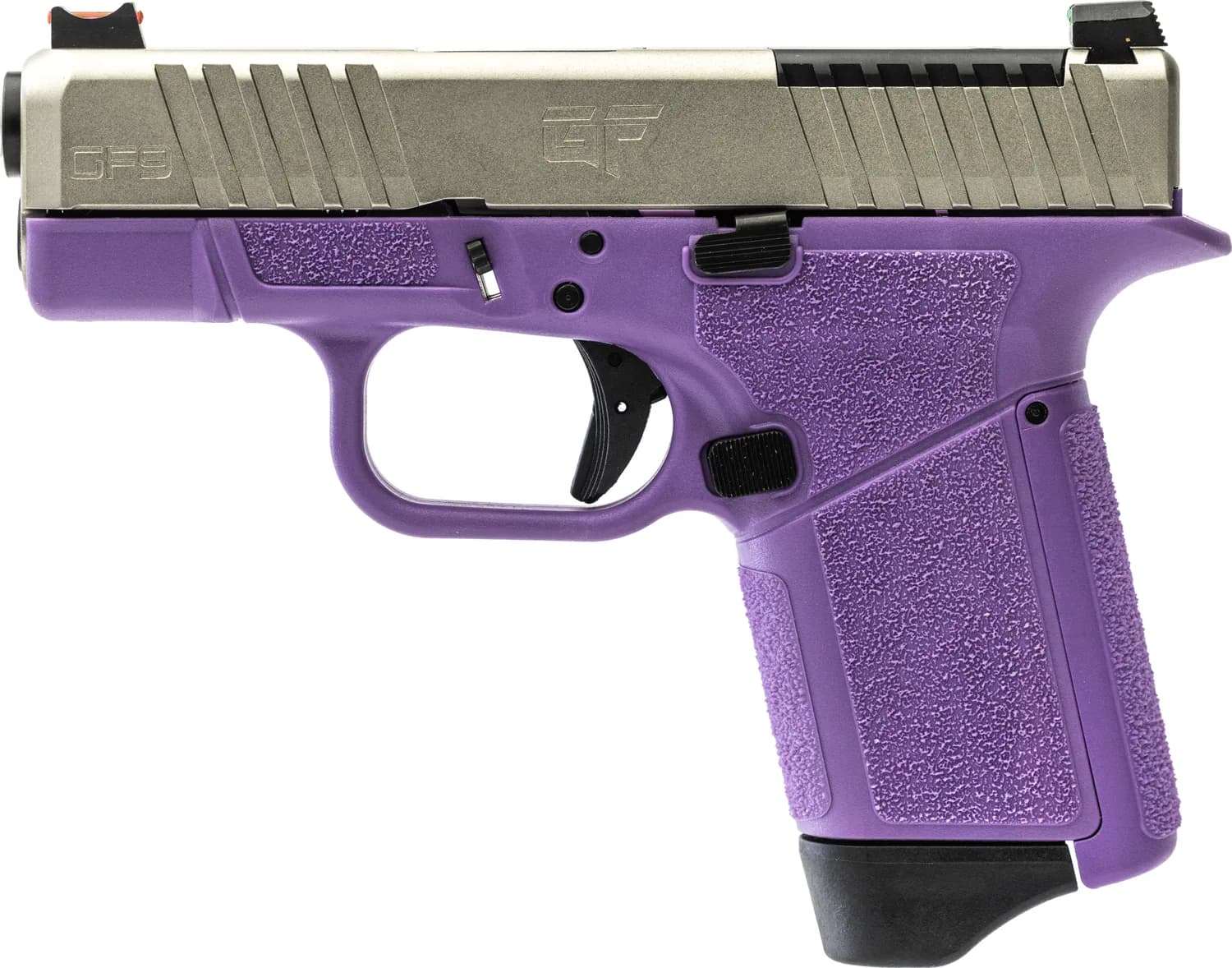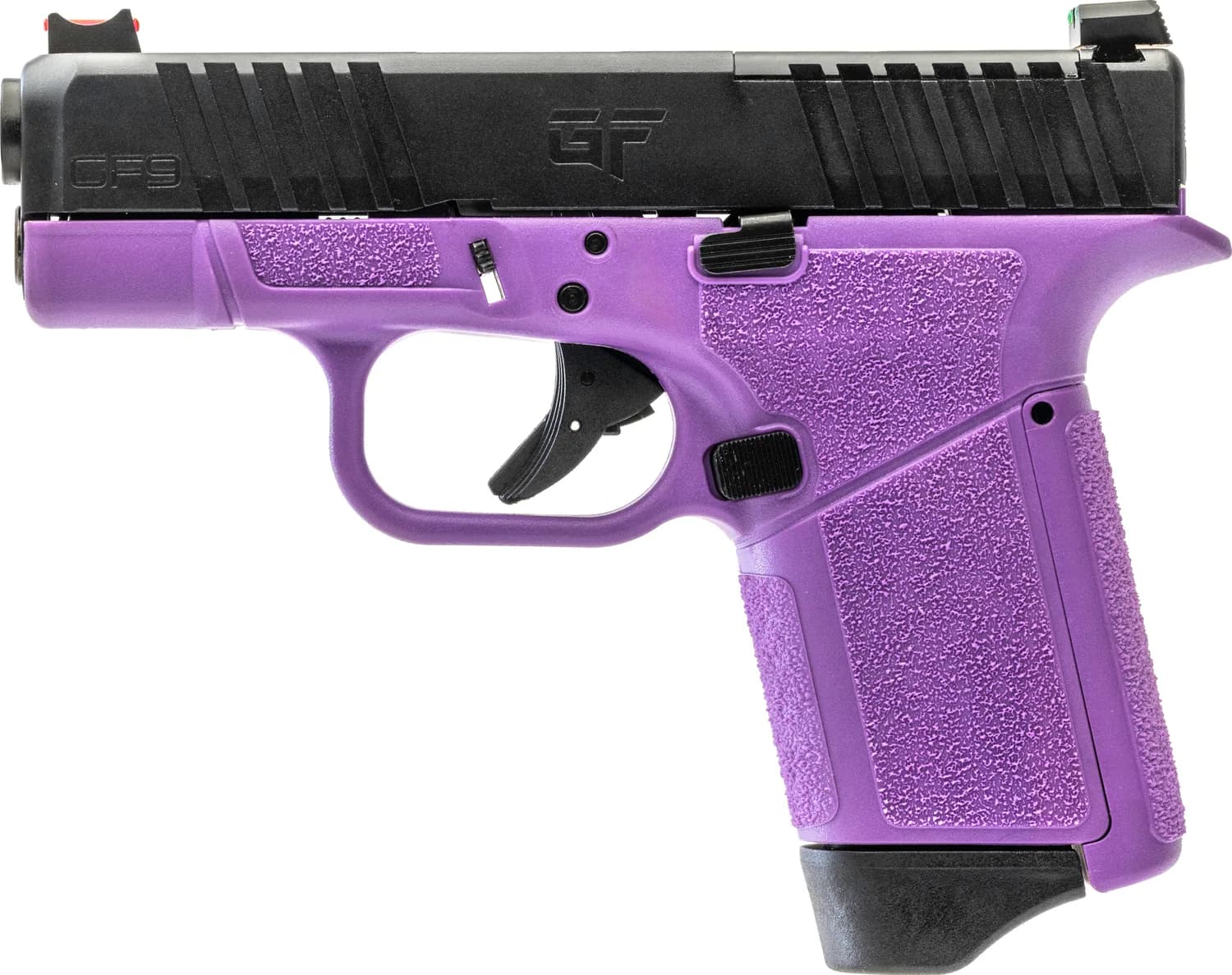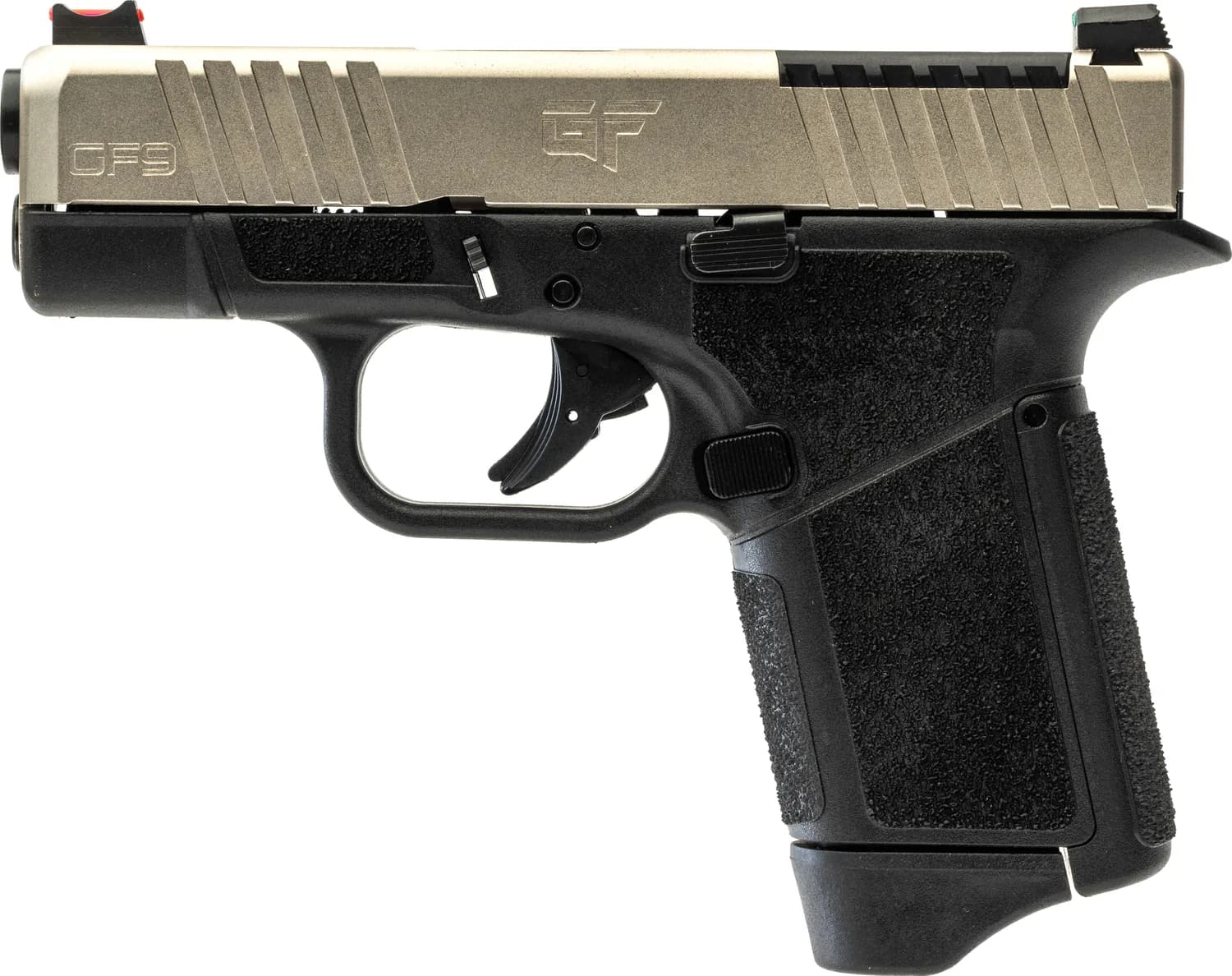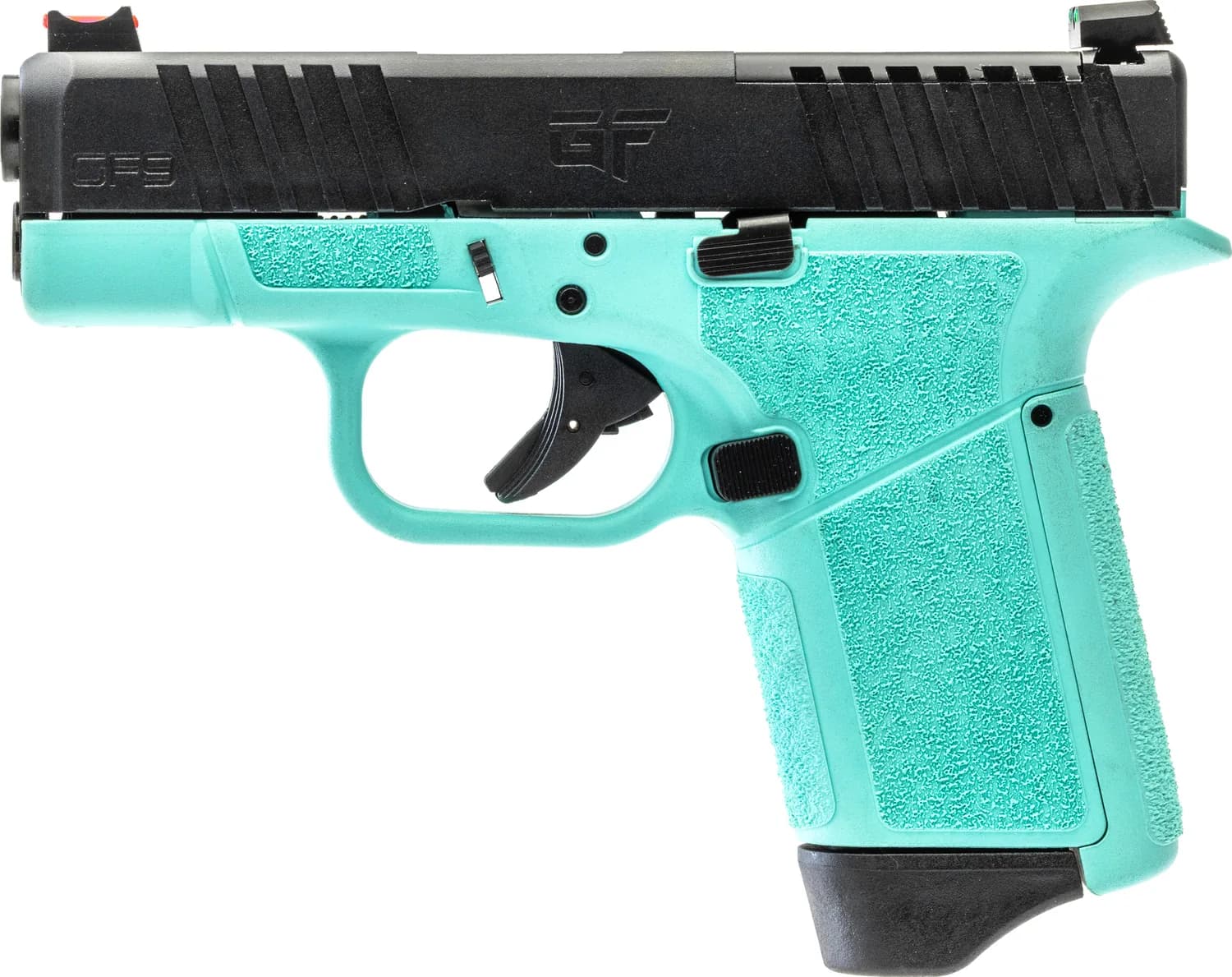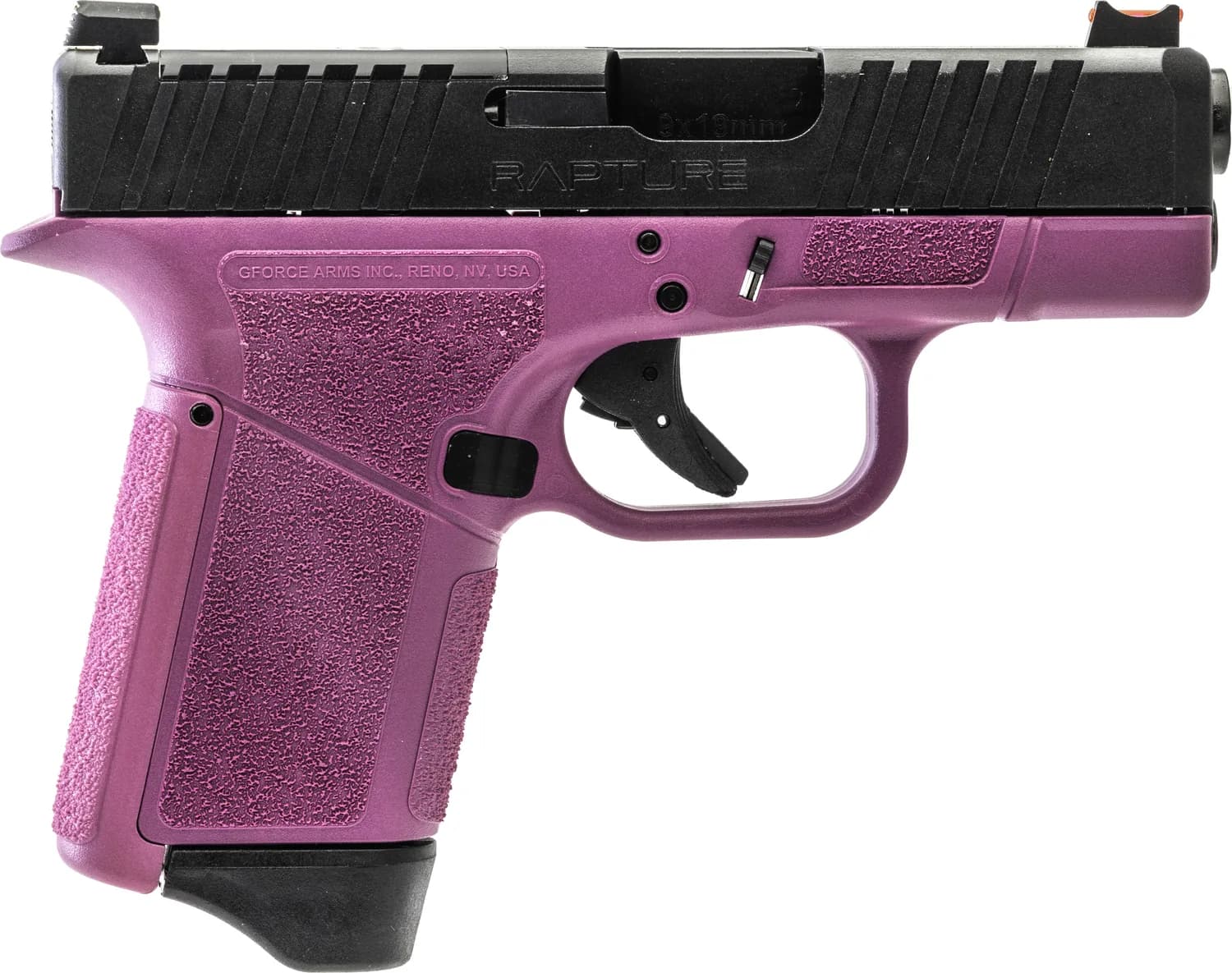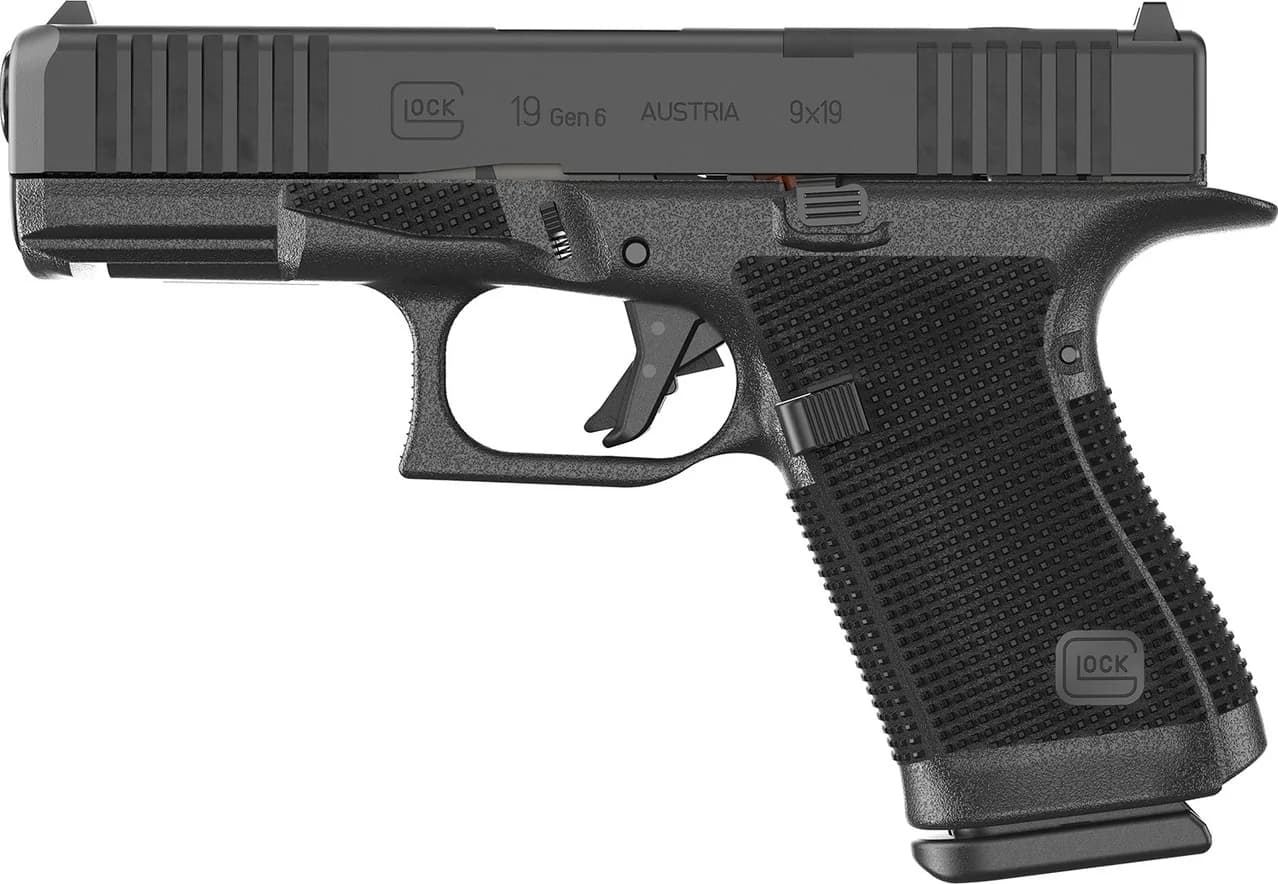
Optic Ready, Palm Swell, RTF6 Grip Texture, Flat Faced Trigger, Enlarged Beavertail, Thumb Rest
Glock formally unveiled the sixth generation of its pistols on December 6, 2025, introducing the G17, G19 and G45 Gen6 models as the company’s next step in an incremental, shooter‑focused evolution of the platform. Glock framed the rollout not as a reinvention but as a targeted set of ergonomic and systems improvements — most visibly an all‑new optic‑ready approach and a recontoured frame that brings palm swell, an extended thumb rest and an enlarged beavertail to the standard lineup. The company stated that the Gen6 models began arriving at dealers in January 2026.
The G19 Gen6 (the compact entry in that initial trio) sits squarely in Glock’s core lineup as the company’s compact, do‑everything 9 mm: a general‑purpose handgun intended for everyday carry, law enforcement duty and high‑volume training. Rather than replacing every previous variant at once, Glock’s launch emphasized a small number of platform changes meant to benefit a wide user base while preserving cross‑generation parts compatibility where possible (magazines, many controls and the overall operating system remain recognizably Glock).
The Gen6 G19 keeps the basic Safe Action, short‑recoil, tilting‑barrel architecture that made the platform ubiquitous, but the changes are concentrated where shooters feel and interact with the pistol. Glock’s product documentation lists a 102 mm (4.02 in) barrel, a standard magazine capacity of 15 rounds and a slide length and overall proportions consistent with the modern compact Glock category. The company also calls out a GLOCK Marksman Barrel, an nDLC slide finish and an updated slide‑serration profile for easier manipulations.
Where the Gen6 diverges most from its predecessors is the frame. Glock introduced the RTF6 grip texture — a two‑texture pattern intended to give wider, more comfortable coverage across the grip and thumb rest — plus a subtle palm swell and a deeper undercut trigger guard to allow a higher, more locked‑in hand position. The factory trigger shoe is flat‑faced, shortening the perceived reach to the trigger and promoting consistent finger placement. Those refinements translate in practice to a pistol that encourages a higher grip, firmer purchase and more repeatable trigger finger placement than some earlier factory Glock frames.
Another major engineering change is the Gen6 Optic Ready System (ORS). Rather than tying buyers to a single footprint or relying on fragile thin plates under an optic, Glock ships a system that uses a set of adapter plates engineered to accept many popular micro‑red‑dot footprints while allowing the optic to be fastened directly into the slide. Glock has also published OR set documentation and replacement plates as part of the system, emphasizing adaptability and long‑term durability. For users who want a factory‑level optics interface without custom slide work, this is arguably the Gen6’s headline mechanical change.
Early range reports and initial reviews emphasize that the Gen6 behaves, in the important ways, like a Glock — consistent, reliable and forgiving — but with a more refined feel. Independent hands‑on writers and reviewers who were able to run substantial round counts found the recoil impulse easier to manage when the shooter adopted the higher grip the new beavertail and palm swell invite. The flat‑faced trigger avoided some of the finger‑placement inconsistencies people encounter on curved triggers, which several testers said improved perceived accuracy and shot‑to‑shot repeatability.
Accuracy with the Gen6 G19 mirrors what long‑time Glock users expect: defensive‑sized groups at practical distances with a clear improvement possible when a dot is mounted. Multiple early testers reported that mounting a red‑dot tightened groups and speeded target acquisition, which is precisely the intent behind factory optics readiness. Reliability in early endurance checks has been solid; testers putting several hundred to a few thousand rounds through sample pistols largely reported no systemic failures, although long‑term service life and institutional adoption will produce the definitive dataset over time.
That said, community feedback is not universally uncritical. Some users have found the new texture and beavertail to be aggressive against bare skin during long strings of fire, and a minority of commenters reported ergonomics that required adjustments to holster fit or grip habits. Those divergent experiences are typical of a high‑volume platform refresh: what’s an improvement for many is a subjective mismatch for others.
The G19 Gen6 is aimed at the same multi‑role corridor Glock has occupied for decades: concealed carry that balances capacity and shootability; a training/duty pistol that scales to extended use; and a general‑purpose range handgun. Its strengths are its familiar ergonomics updated for a modern shooter, the convenience of a factory optic‑ready slide and the broad aftermarket and accessory ecosystem that supports Glock pistols. Where it particularly excels is in users who want a compact 9 mm with a factory‑implemented optic solution and improved factory ergonomics without extensive aftermarket modification.
Limitations are predictable: the Gen6 is an evolutionary, not revolutionary, product. It retains Glock’s basic grip angle and many legacy dimensions, which means shooters who dislike the Glock “feel” in any generation may not be fully converted. Long‑term testing will determine how the optic‑mounting plates and new materials stand up to sustained institutional use and extreme environments; early indications are promising, but true durability claims require multiple years of hard service.
With Gen6 Glock has largely closed gaps that competitors exploited in recent years: factory optics readiness, more modern grip ergonomics and a flatter trigger shoe out of the box. The net effect positions the G19 Gen6 more directly against compact 9 mm offerings from other major manufacturers that have shipped optics‑ready pistols for a while. In terms of reputation, Glock’s name recognition and dealer/aftermarket support remain a decisive advantage; in terms of value, buyers get a familiar platform with fresh ergonomics and a factory solution for red‑dot mounting — features that used to require paying a gunsmith or buying an upgraded variant.
For shooters deciding among service and carry pistols, the Gen6 G19 is best described as a pragmatic upgrade: it keeps Glock’s proven fundamentals and folds in modern ergonomics and optics integration that many users now expect from a new‑production compact pistol. How the market ultimately rates it will depend on how well those optics plates and the RTF6 texture hold up in widespread, long‑term use — but for now, the Gen6 G19 presents a conservative, well‑executed step forward for a platform that has always traded novelty for reliability and practical utility.
Start with a practical guide if you want a faster way to narrow the field before comparing specific models.
Learn how to choose the right 9mm handgun based on size, budget, and how you plan to use it.
Read guideCarry-focused shoppersLearn how to choose the right concealed carry handgun based on size, comfort, safety, and everyday usability.
Read guideComparison-focused shoppersA practical guide to comparing handguns the right way: what actually matters, what to ignore, and how to use comparison tools effectively.
Read guide