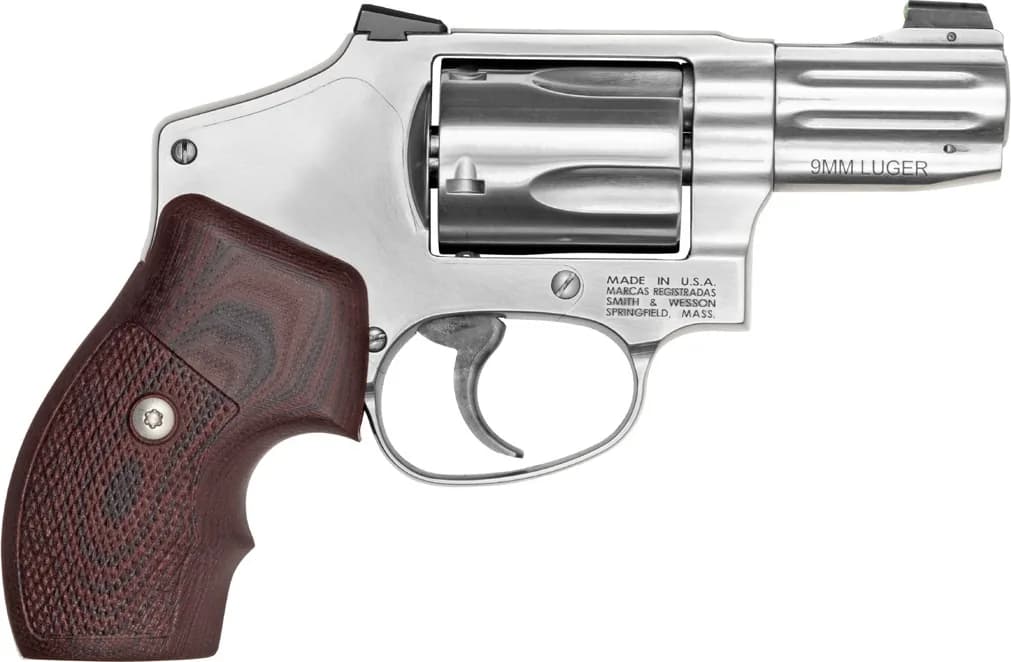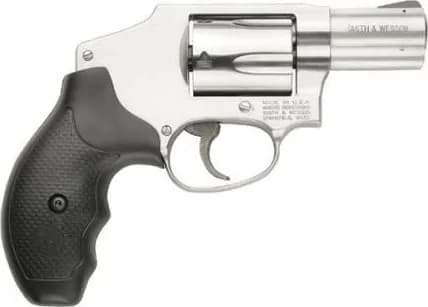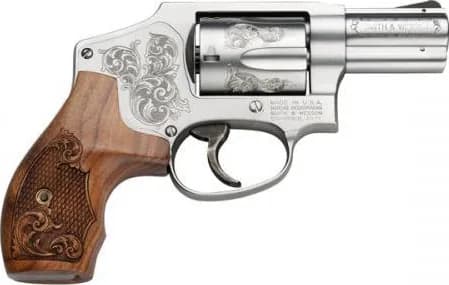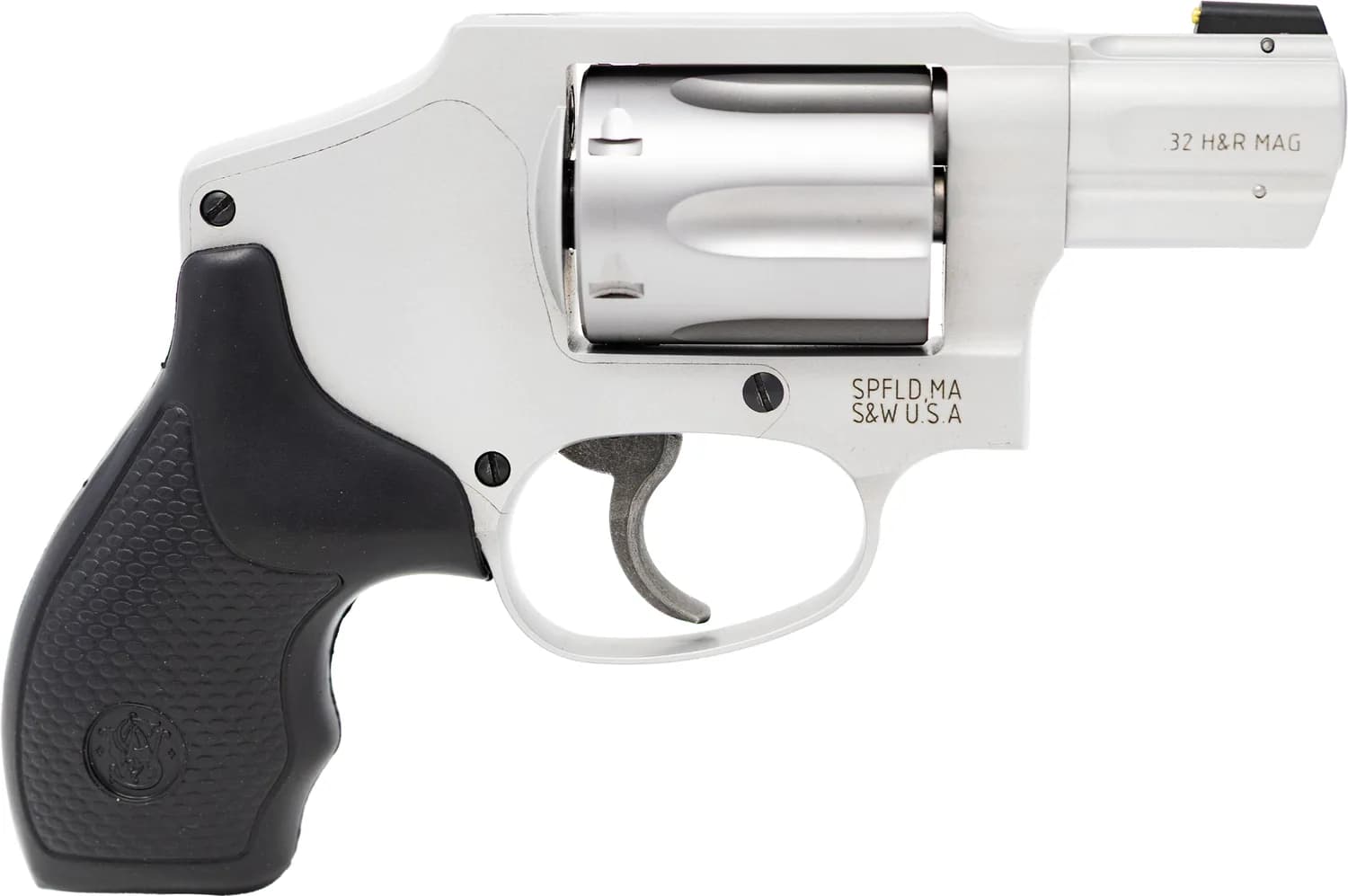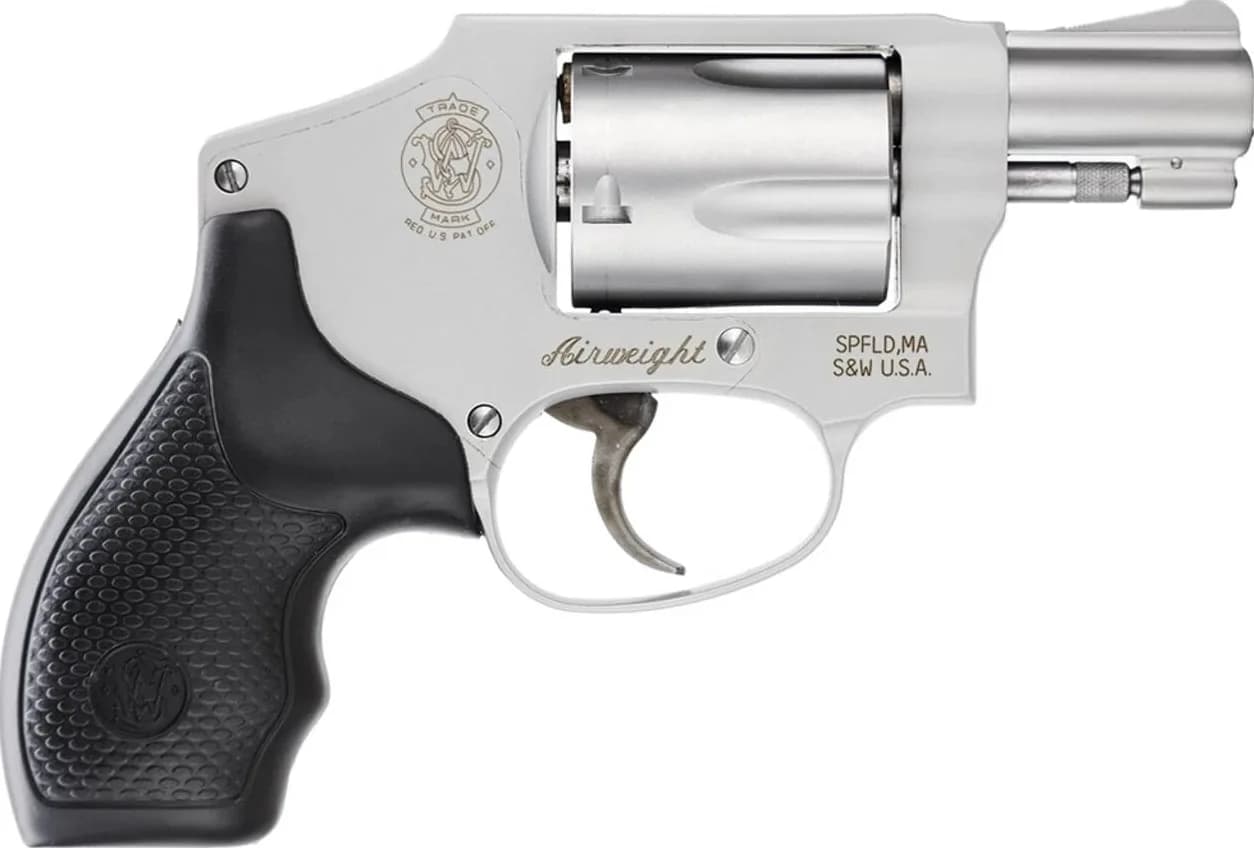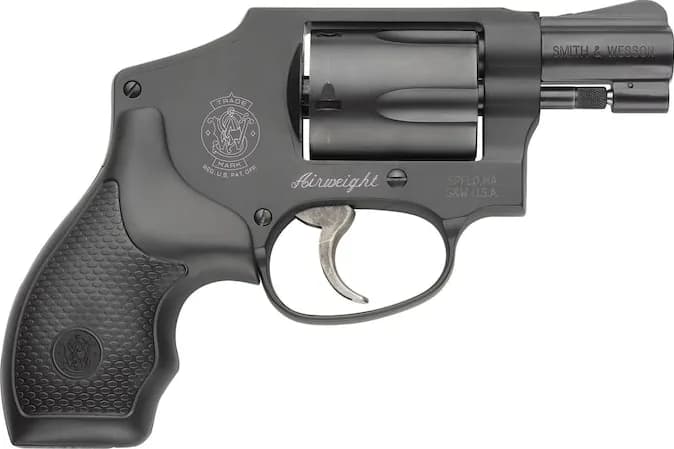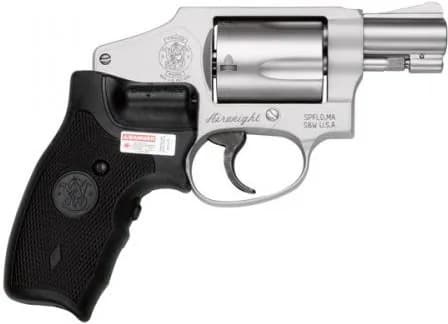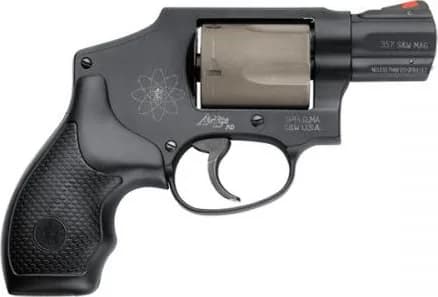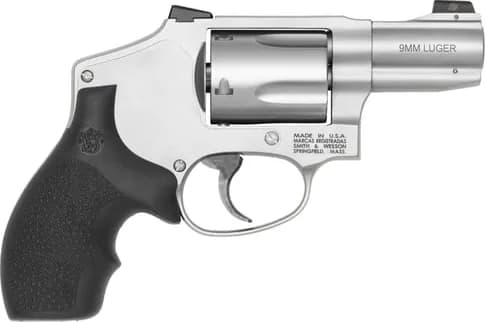
Tritium Night Sight, Internal Hammer, Stainless, 3 Moon Clips, Hogue Overmolded Grip
Smith & Wesson’s Model 940-3 is the latest revival of the company’s small, hammerless 9 mm J‑frame revolver concept. Announced to the trade and press in February 2026, the 940‑3 returns a five‑shot 9×19 mm snubnose to S&W’s carry portfolio with an all‑stainless, hammer‑concealed, no‑lock design built around the long‑running J‑frame footprint. The 940 family itself traces back to the early 1990s; the original Model 940 was produced in the 1991–1998 era and has since enjoyed collector interest and intermittent limited runs before the current catalog return.
The 940‑3 is plainly pitched at the concealed‑carry and plainclothes defensive user who prefers revolver simplicity but wants to run modern 9 mm ammunition. Its features — a fully enclosed (“no‑snag”) hammer and a double‑action‑only trigger, tritium night front sight, Hogue overmolded rubber Bantam grip, and a cylinder cut for full moon clips — signal a design emphasis on quick, snag‑free deployment, low‑maintenance mechanical simplicity, and practical reloadability with moon clips for spare rounds. The revolver ships with three full moon clips to make the platform immediately usable for owners who carry or train with moon‑clip reloads.
On paper the 940‑3 is compact and relatively heavy for its size: a 2.17‑inch stainless barrel, roughly 6.6‑inch overall length, and a 23‑ounce all‑steel package. The steel construction and relatively full weight for a snubby are deliberate choices. Compared with polymer or alloy framed snub revolvers, the heavier, all‑steel 940‑3 tames felt recoil and helps the gun “shoot like a larger gun” despite the short barrel. The fluted, moon‑clip‑cut cylinder keeps overall width down while enabling quick simultaneous loading and reliable extraction of rimless 9 mm cartridges. A no‑lock frame eliminates an internal safety device that many shooters dislike and makes for a cleaner internal mechanism focused on traditional mechanical lockup. The concealed hammer and DAO design produce a snag‑free draw at the cost of a longer, heavier trigger pull than single‑action or cocked‑hammer designs.
The ergonomics reflect the balance priorities of a defensive snub. The Hogue Over‑Molded Bantam grip with finger grooves offers a firm, comfort‑oriented purchase designed to control muzzle flip between shots; in a small steel revolver firing full‑power 9 mm the texture and hand position are practical mitigations to maintain sight picture for follow‑ups. The sighting package — an enlarged tritium front and a low‑profile U‑notch rear — favors fast target acquisition over precise long‑range holdovers, which is consistent with likely defensive engagement distances.
Early press coverage and first‑look reports characterize the 940‑3 as predictable and solidly built rather than a precision target revolver. Journalists who handled the new model reported typical short‑range accuracy consistent with a 2.17‑inch barrel and an expectation of “serviceable” point‑of‑aim group sizes inside typical self‑defense ranges — the package is optimized for quick hits at short distances, not sub‑inch groups at 25 yards. The DAO trigger is long and deliberate by design; Smith & Wesson lists a factory pull around the neighborhood of what many modern J‑frame DAO designs use, and early descriptions note a roughly 10‑pound pull that smooths with practice. On recoil, the gun’s stainless weight mitigates the sharpness sometimes associated with light alloy or polymer snubs, but 9 mm in a very short barrel remains snappy compared with .38 Special in larger frames; shooters who prioritize minimal felt recoil will still notice the difference. Steel construction and no‑lock internals point to robust durability for everyday carry use.
Where the 940‑3 excels is straightforward: deep concealment carry for owners who want the mechanical simplicity and perceived reliability of a revolver, while staying on the 9 mm ammunition standard many shooters already run. The moon‑clip arrangement makes reloads faster than single‑cartridge loading and allows users to carry preloaded spare clips — a real tactical advantage over older rimmed cartridges when running a revolver as a primary defensive tool. The concealed hammer and low sights also aid inside‑the‑waistband or pocket carry by reducing snag and minimizing printing.
Limitations are equally apparent. The DAO trigger pull is longer and heavier than most semi‑auto triggers, which will increase the effort needed for precise trigger management during defensive accuracy drills. Moon clips are practical for users who accept them, but they introduce an extra operational chore: users must maintain clips, learn to load and unload them efficiently, and be mindful of ammo fitment and clip wear. Finally, while the steel frame reduces felt recoil, 9 mm out of a 2‑inch barrel remains louder and flashier than longer guns and will be snappier than a similar‑sized .38 Special +P in some configurations.
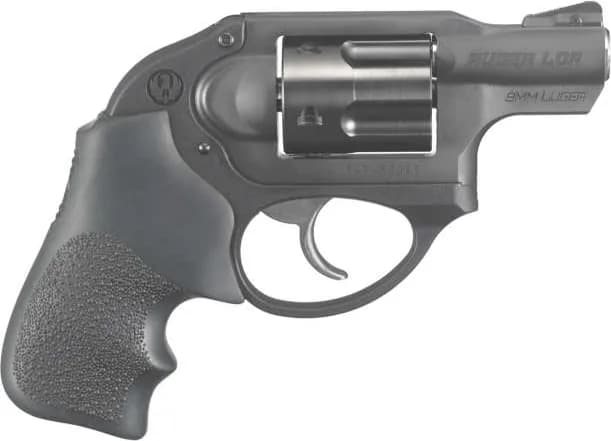
The 940‑3 sits in a small but distinct niche: compact, five‑shot 9 mm revolvers intended for carry. Its chief competitors are other compact 9 mm wheelguns such as Taurus’s 905 family and older alternatives like the Charter Arms Pitbull, as well as very different design approaches such as the Ruger LCR in 9 mm. Compared with the Ruger LCR 9 mm — a lighter, polymer/fire‑control‑housing design that emphasizes minimal carry weight — the Smith & Wesson is heavier (S&W’s 23‑ounce all‑steel versus the LCR’s lighter 17‑ounce steel‑frame 9 mm variant), which translates to a noticeably softer shooting experience at the expense of additional pocket or belt weight. For buyers moving from striker‑fired semiautos to a revolver for simplicity, or for those who accept moon clips and want an all‑steel package, the 940‑3 represents a classically finished, modern‑feature embodiment of that choice.
Reputation and perceived value will hinge on how the model performs over the first year in consumer hands and how shooters weigh the tradeoffs of DAO revolver control, moon‑clip logistics, and the weight‑for‑recoil balance. Early reporting frames the 940‑3 as a capable, well‑executed return of a niche favorite rather than a mass‑market disruptor — a thoughtful option for carry enthusiasts who prefer wheelguns and want 9 mm compatibility without aftermarket conversions.
Overall, the Model 940‑3 is a modern, conservative interpretation of the classic 9 mm J‑frame concept: stainless construction, moon‑clip practicality, snag‑free draw, and engineering choices that prioritize controllability and longevity over cutting‑edge lightness or competition‑grade precision.
Start with a practical guide if you want a faster way to narrow the field before comparing specific models.
Learn how to choose the right 9mm handgun based on size, budget, and how you plan to use it.
Read guideComparison-focused shoppersA practical guide to comparing handguns the right way: what actually matters, what to ignore, and how to use comparison tools effectively.
Read guideFirst-time buyersLearn how to choose your first handgun by focusing on size, comfort, ease of use, and budget instead of getting lost in unnecessary details.
Read guide