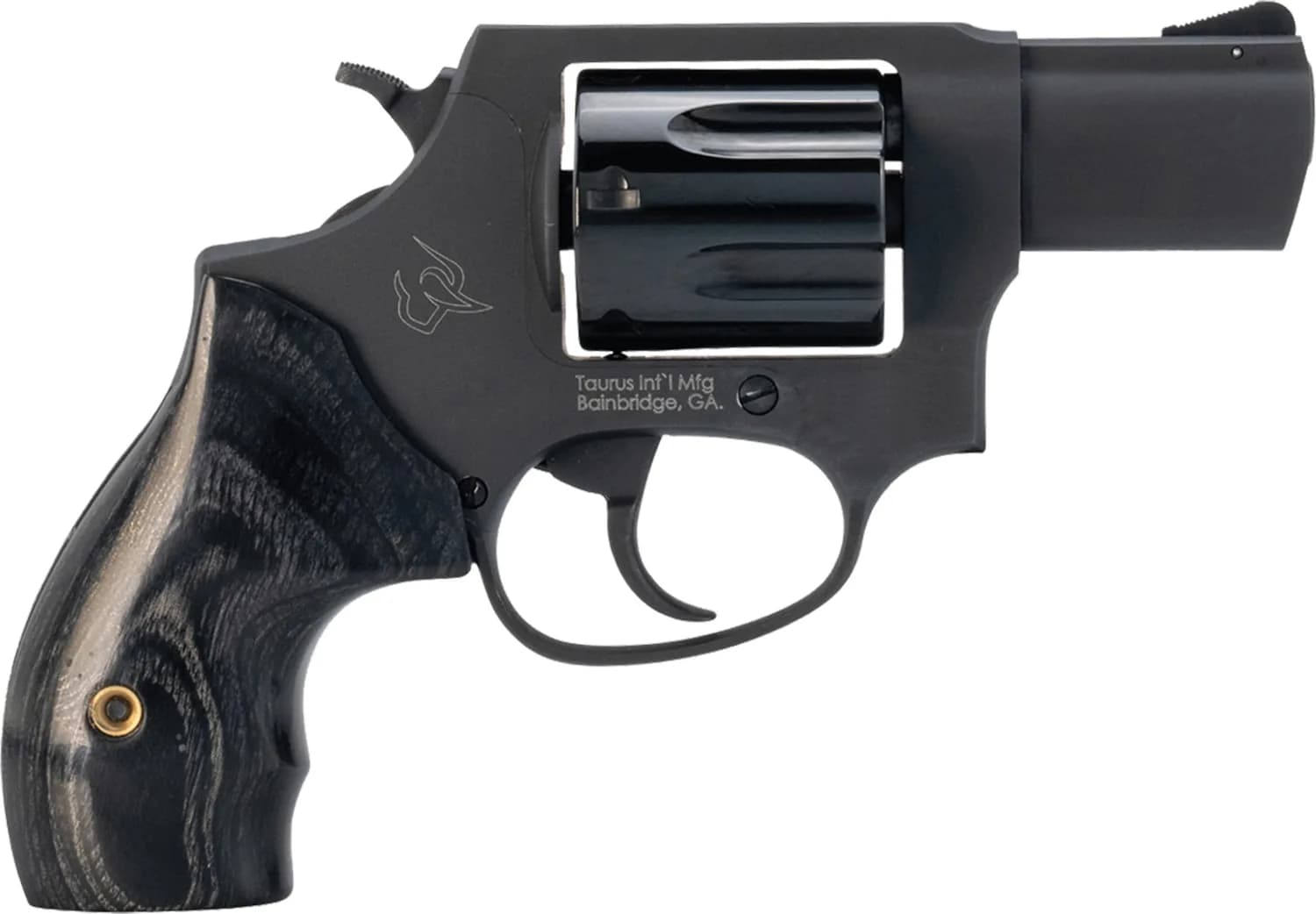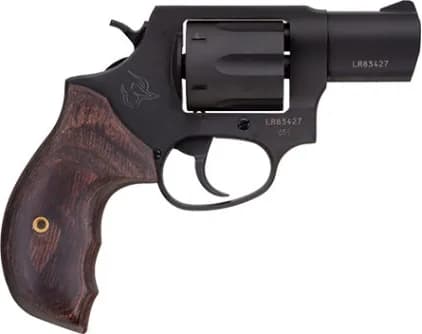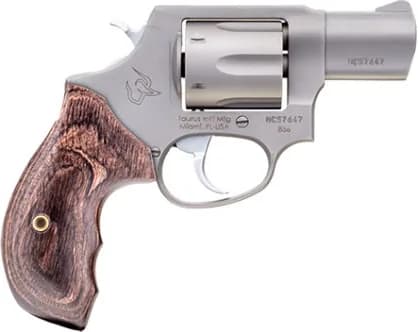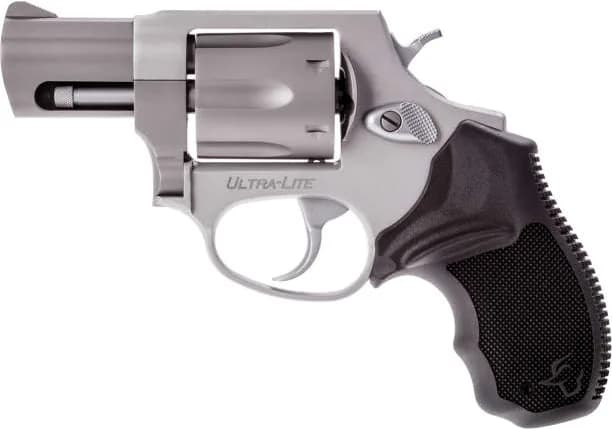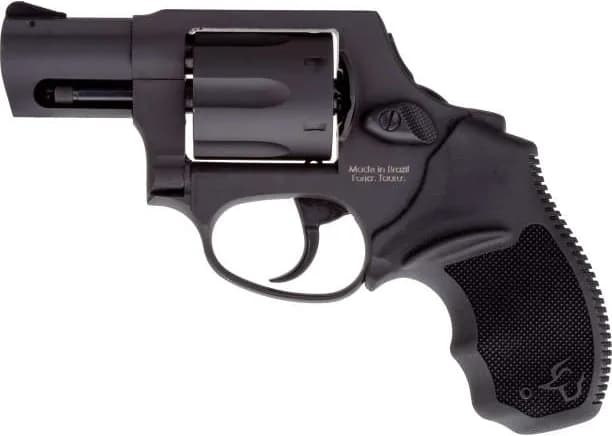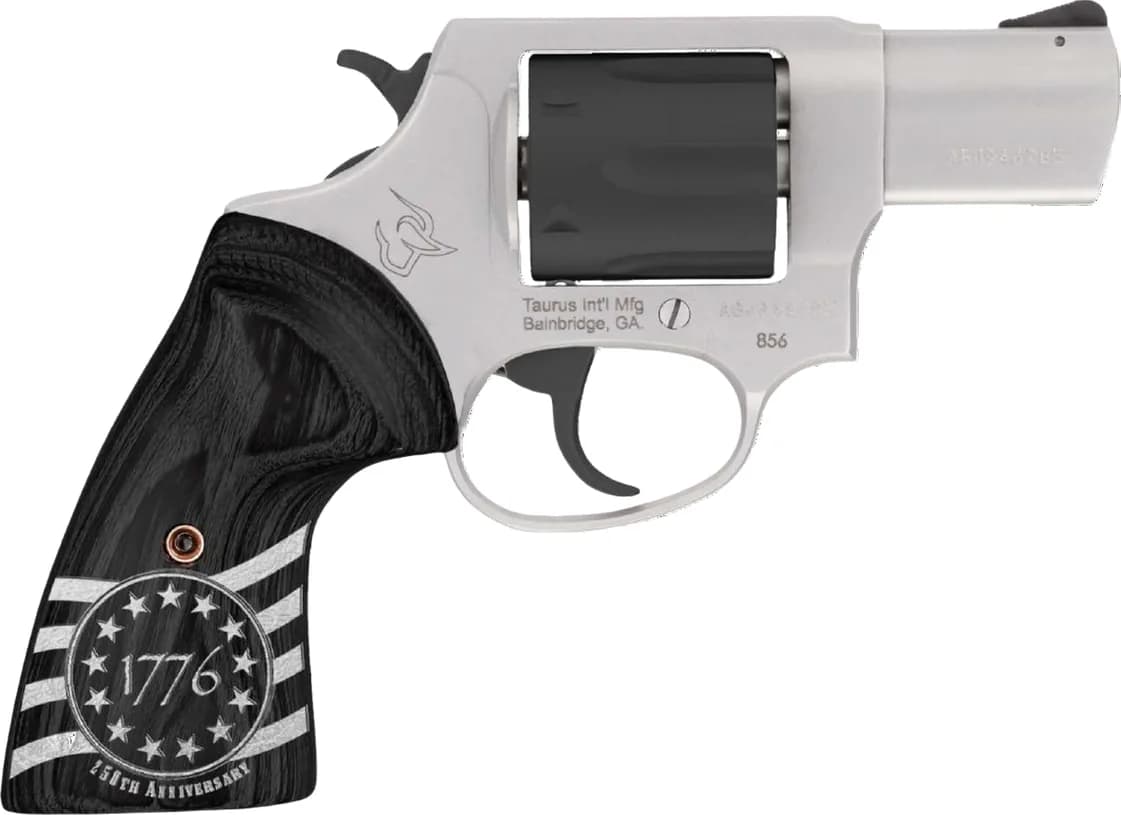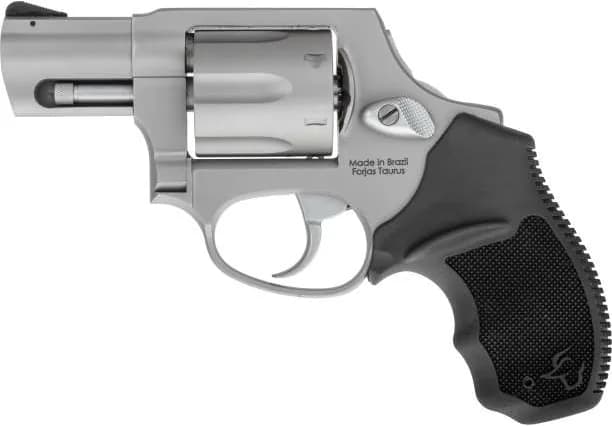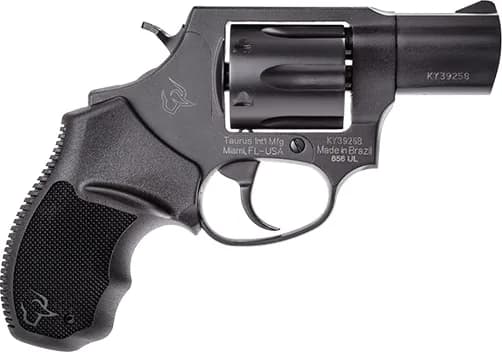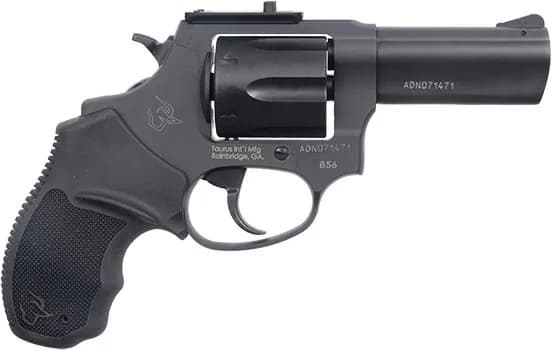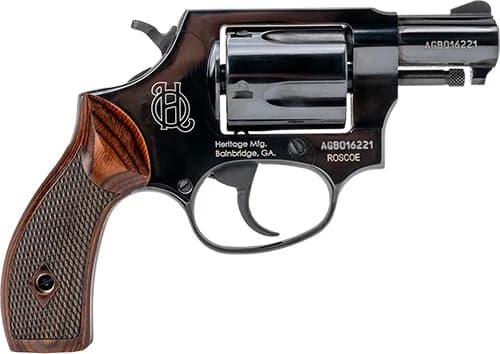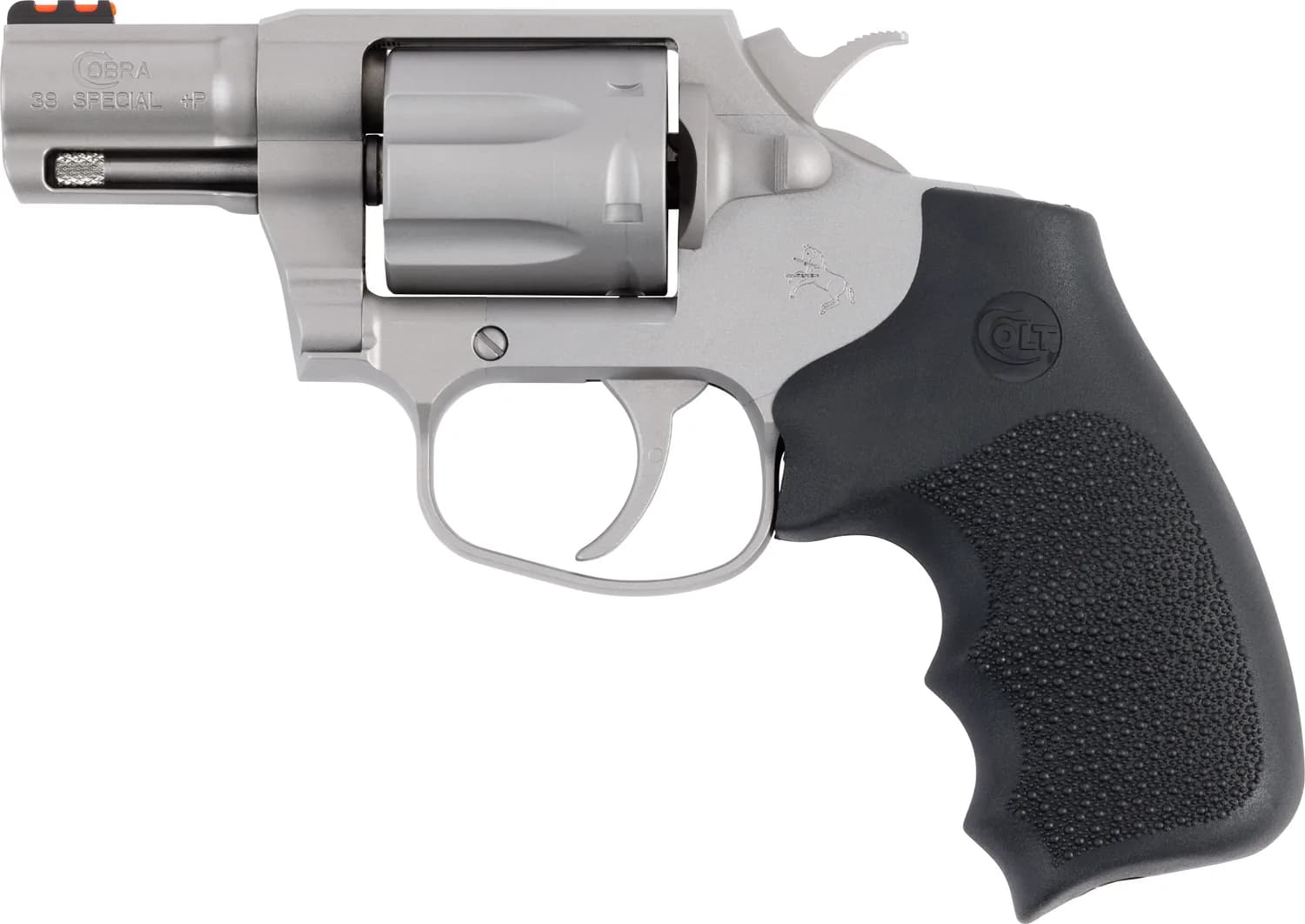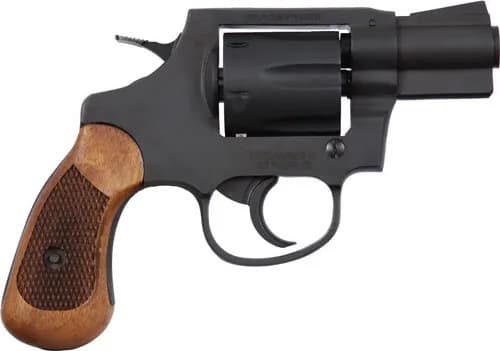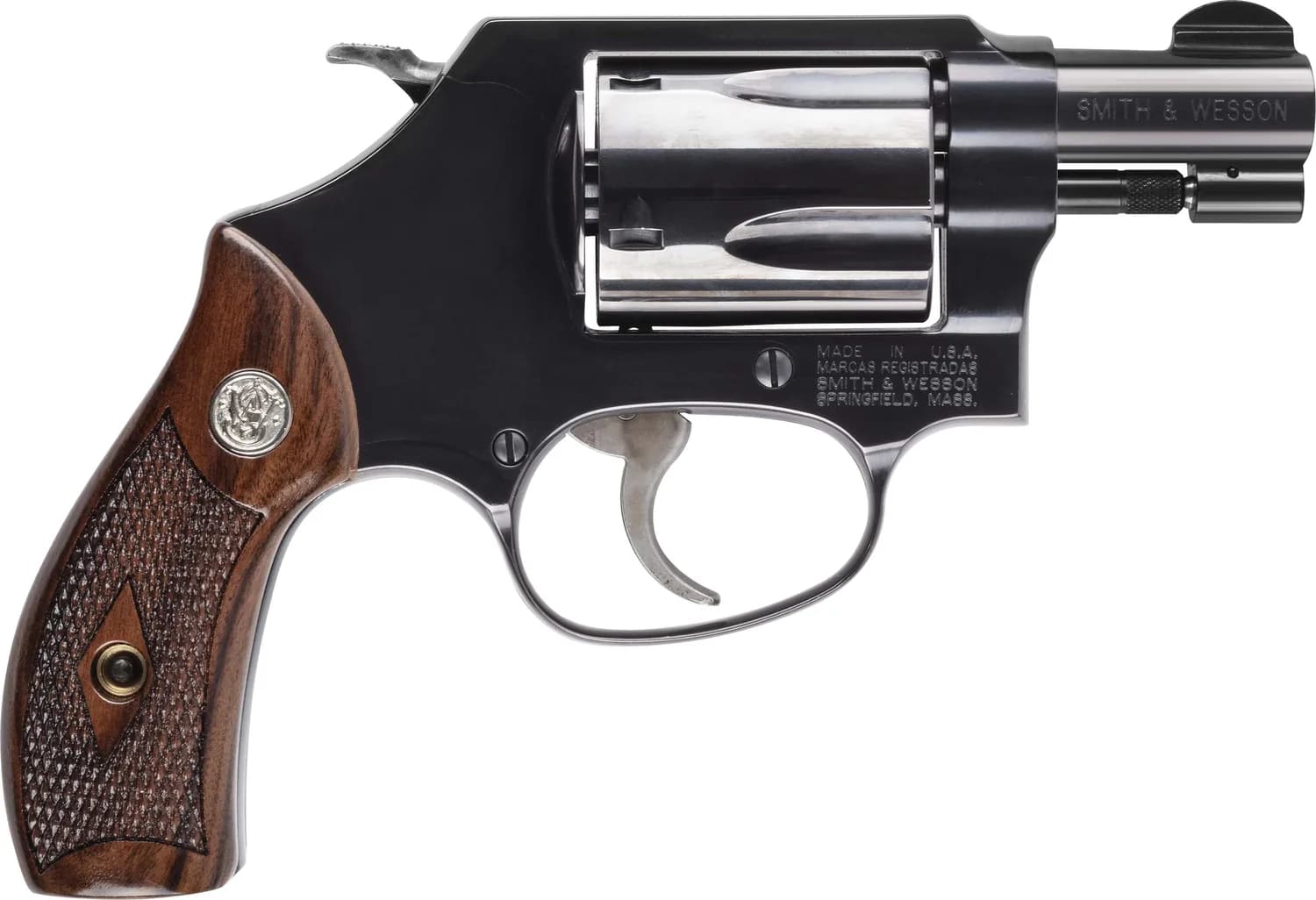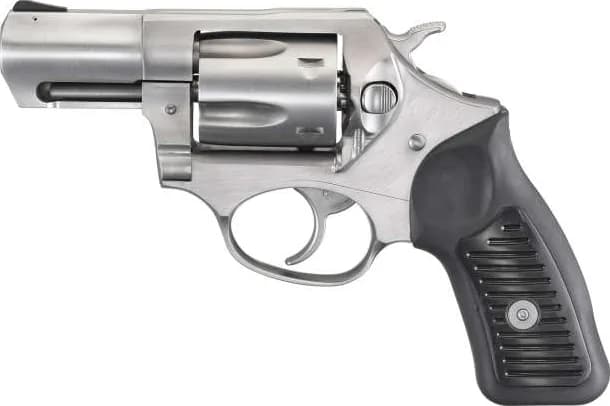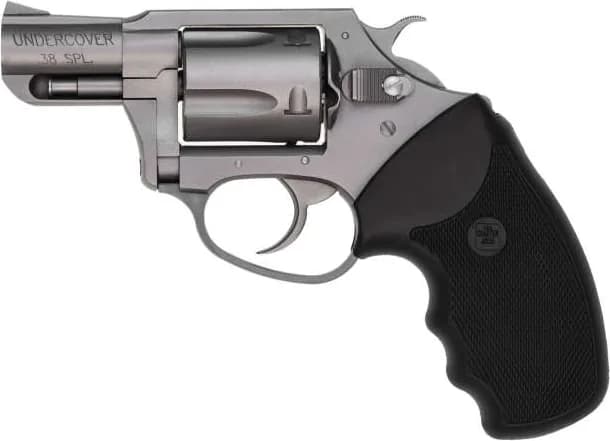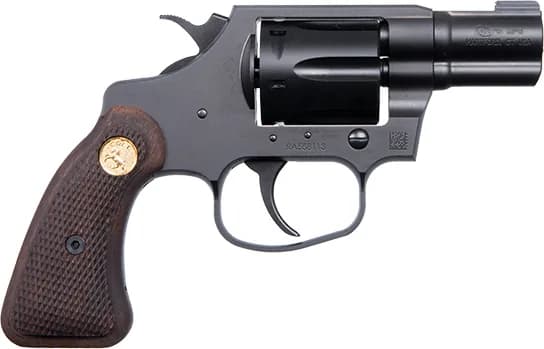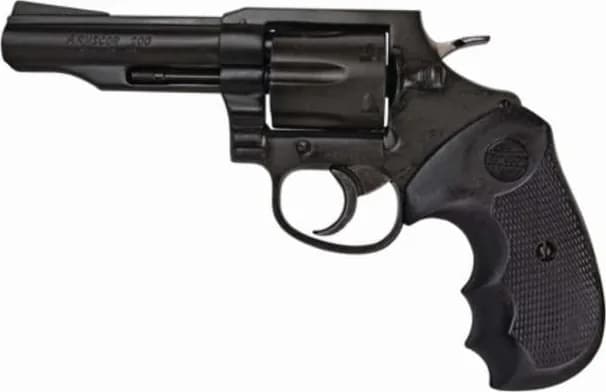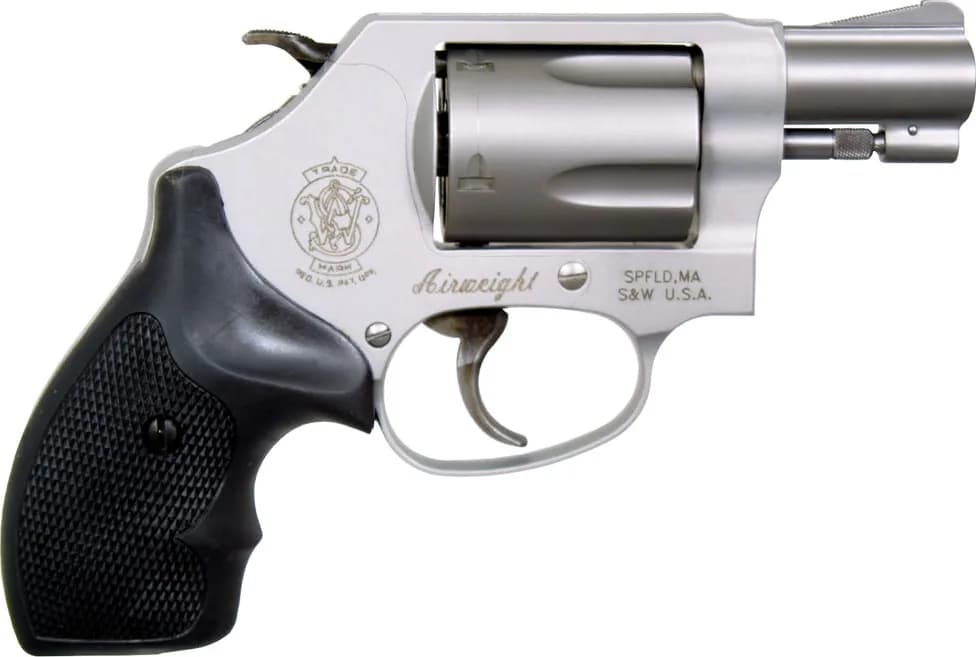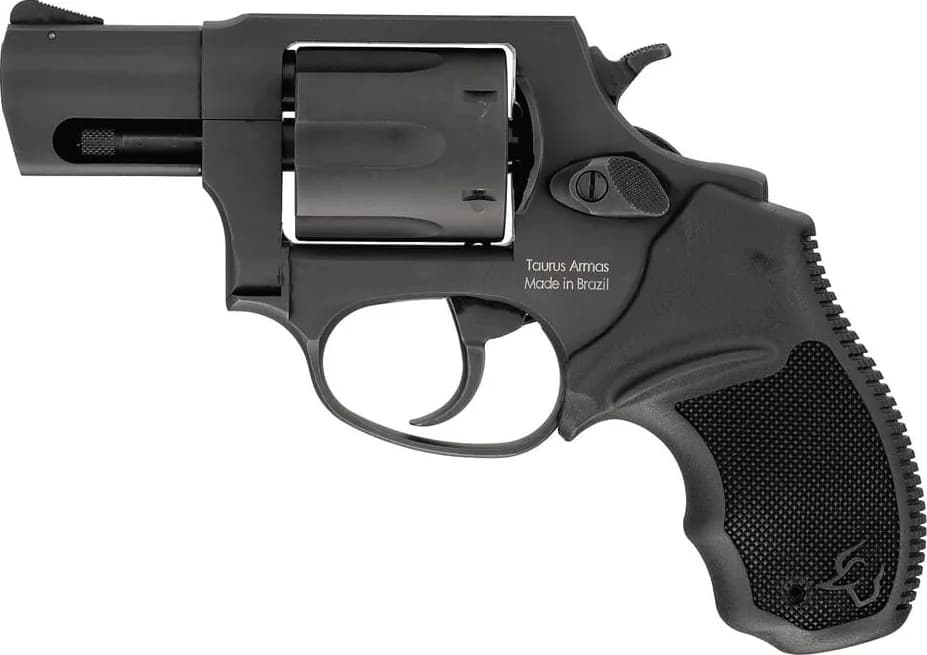
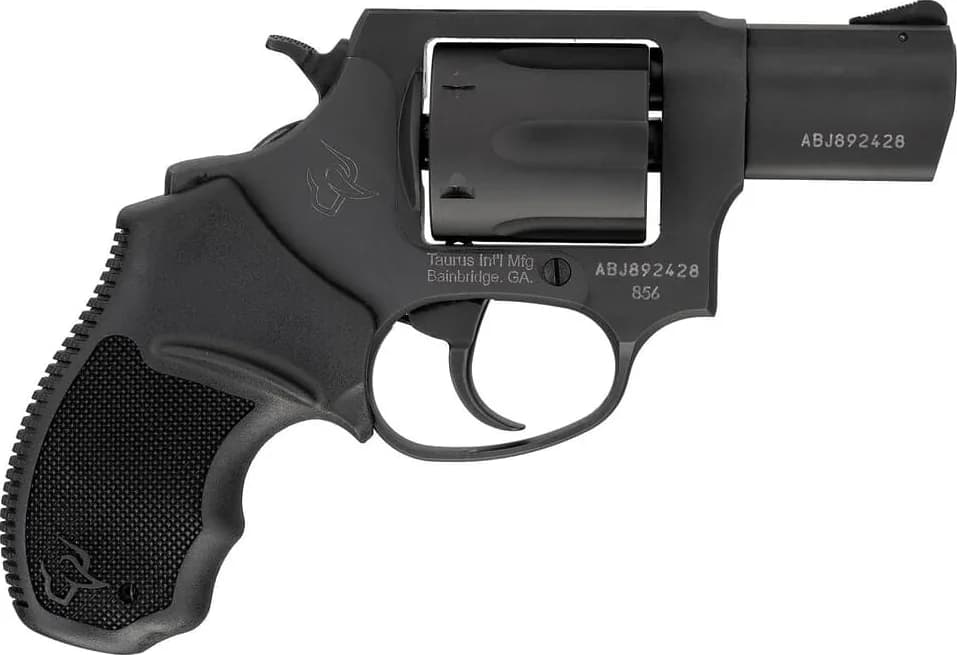
The Taurus 856 is Taurus’s answer to a long-standing niche: a concealable, six-shot .38 Special snub revolver that keeps the familiar small-frame footprint but adds an extra round. The model first appeared in Taurus’s catalog in the late 2000s and was publicly announced as a new six-shot snub in 2008; Taurus has since expanded and refreshed the 856 family several times, including an aluminum-frame “Ultra‑Lite” variant and later executive/optics-ready permutations. The handgun has been positioned within Taurus’s revolver lineup as a compact defensive piece that bridges their smaller Model 85-style J-frame competitors and the larger, heavier service revolvers.
Mechanically the 856 follows conventional modern revolver practice: a swing-out, six-chamber cylinder, exposed hammer (on many variants), and a two‑inch barrel in the standard snub configuration. Taurus uses carbon/alloy steel in the standard models and aluminum in the Ultra‑Lite variants; the factory specifications list an overall length of roughly 6.55", a 2.00" barrel, and an unloaded weight in the low‑20 ounce range for the steel-frame versions. Sights are fixed—a serrated ramp front with a fixed rear—and factory grips are a soft, overmolded rubber design intended to absorb recoil and improve purchase under stress. The revolver’s internal safety architecture uses a transfer bar, and many production models include Taurus’s frame-mounted key lock system. Those design choices reflect a priority on simplicity, durability and everyday carry ergonomics rather than modularity or optics-native interfaces.
In practical terms the extra chamber is achieved by marginally increasing the cylinder diameter relative to traditional five‑shot snub frames; that yields six rounds of .38 Special without dramatically changing the gun’s external footprint. The tradeoff is a slightly wider cylinder and the usual snub‑barrel compromises—short sight radius and reduced ballistic performance from defensive loads—but on the handling side the larger cylinder preserves a compact, concealable profile while giving a meaningful capacity increase.
Independent reviews and range reports paint a consistent picture: the 856 and its Ultra‑Lite sibling are competent, straight‑forward snub revolvers that shoot to expected defensive‑revolver standards. In formal testing of the Ultra‑Lite variant reviewers recorded reasonable short‑range accuracy (bench‑rested five‑shot groups at seven yards in the 2–3" neighborhood with practical defensive loads) and noted reliable feeding, extraction and timing through multiple ammunition types during test sessions. Trigger feel is described as smooth; double‑action pull weights are heavier than single‑action, as expected, and can be in the neighborhood of low double‑digit pounds on factory examples, with single‑action pulls much lighter. Felt recoil depends heavily on the variant: the steel‑frame 856 tames recoil better than the Ultra‑Lite, but both remain manageable with modern reduced‑recoil defensive .38 loads.
Durability and reliability reports are largely positive when the guns come from good production runs. Reviewers who ran extended strings of service and defensive ammunition generally experienced trouble‑free operation—proper cylinder lockup, smooth ejector operation, and consistent ignition. That said, Taurus’s reputation for occasional quality‑control variation is part of the conversation; historical reports of surface finish blemishes and out‑of‑spec triggers appear in older threads and reviews, and reviewers routinely suggest verifying function at acquisition and keeping an eye on finish and timing. Taurus’s more recent production runs and the company’s efforts to refine the 856 line have reduced the frequency of those complaints in published reviews.
The 856 is fundamentally a concealed‑carry and close‑quarters defensive tool. Its small overall length and six‑round capacity make it attractive to those who prefer a wheelgun for deep concealment, pocket carry or as a light backup. The steel‑frame versions offer a better recoil impulse for heavier defensive loads and are a good fit for on‑body carry when weight is not the prime constraint; the Ultra‑Lite variants trade felt recoil for lower carry weight, making them ideal for off‑body or backup carry where every ounce matters.
Range use and casual target shooting are also reasonable with the 856, particularly with lower‑power practice ammunition; its short barrel and sighting geometry limit practical precision to typical snub distances (contact to roughly 7–10 yards). The platform is not intended for competition work beyond beginner‑level practical revolver matches—its fixed sights, sight radius and typical defensive ammunition selection place it outside the purpose‑built competition category. Likewise, the short barrel and fixed sights are a limitation for precise, longer‑range accuracy and for shooters who want adjustable sights or optics without moving to TORO/optics‑ready variants introduced later in the model line.
Value is the 856’s clearest selling point. It offers six‑shot .38 Special capacity in a footprint that competes with five‑shot J‑frame class revolvers from more established brands, and it typically carries a price premium well below those legacy names. That combination—six‑shot capacity, acceptable short‑range accuracy and a factory rubber grip that helps manage recoil—has attracted shooters who want a practical, affordable wheelgun for everyday carry.
Reputationally, Taurus still carries the baggage of past quality‑control concerns, which keeps some buyers preferring higher‑priced options from competitors. At the same time, published long‑term tests and more recent product iterations show Taurus addressing earlier issues, and many users report excellent serviceable performance from the 856 series. In the marketplace it therefore sits as a budget‑to‑midrange compact revolver that delivers substantial value to shooters who are willing to verify function at purchase and accept a basic, rugged package without aftermarket bells and whistles. For buyers focused on maximum durability, a proven dealer/service relationship and the lightest possible trigger work, higher‑end revolvers from legacy manufacturers remain attractive; for those prioritizing capacity and price, the 856 is a well‑priced, capable alternative.
The Taurus 856 is not an aspirational competition piece or a custom target revolver; it is a pragmatic, modern take on the snubnose defensive wheelgun—designed to carry well, shoot reliably at typical defensive distances, and give an extra round in the cylinder for a small, practical increment in capability.
Start with a practical guide if you want a faster way to narrow the field before comparing specific models.
Learn how to find a reliable handgun under $500 without wasting money or compromising on quality.
Read guideComparison-focused shoppersA practical guide to comparing handguns the right way: what actually matters, what to ignore, and how to use comparison tools effectively.
Read guideFirst-time buyersLearn how to choose your first handgun by focusing on size, comfort, ease of use, and budget instead of getting lost in unnecessary details.
Read guide