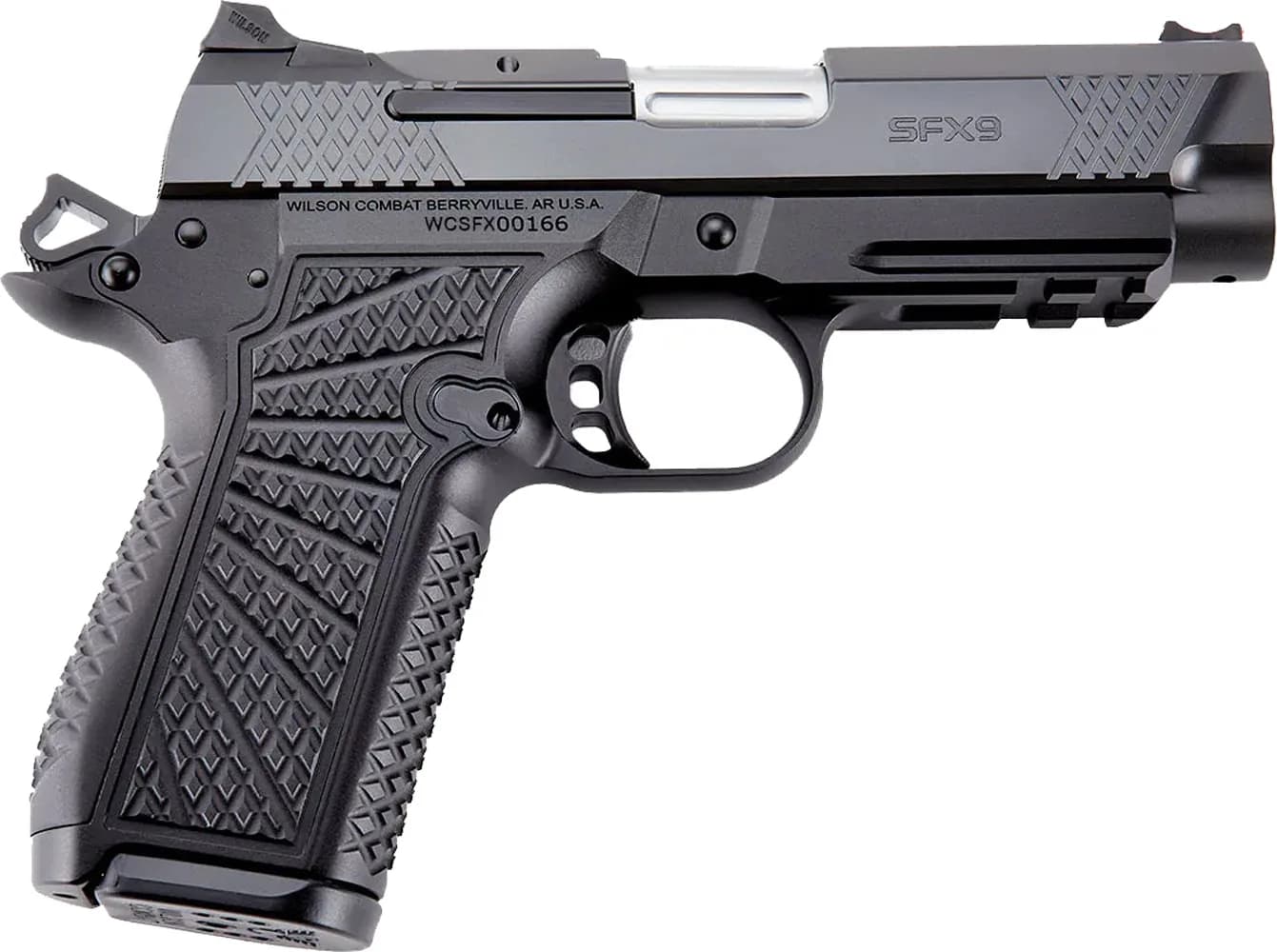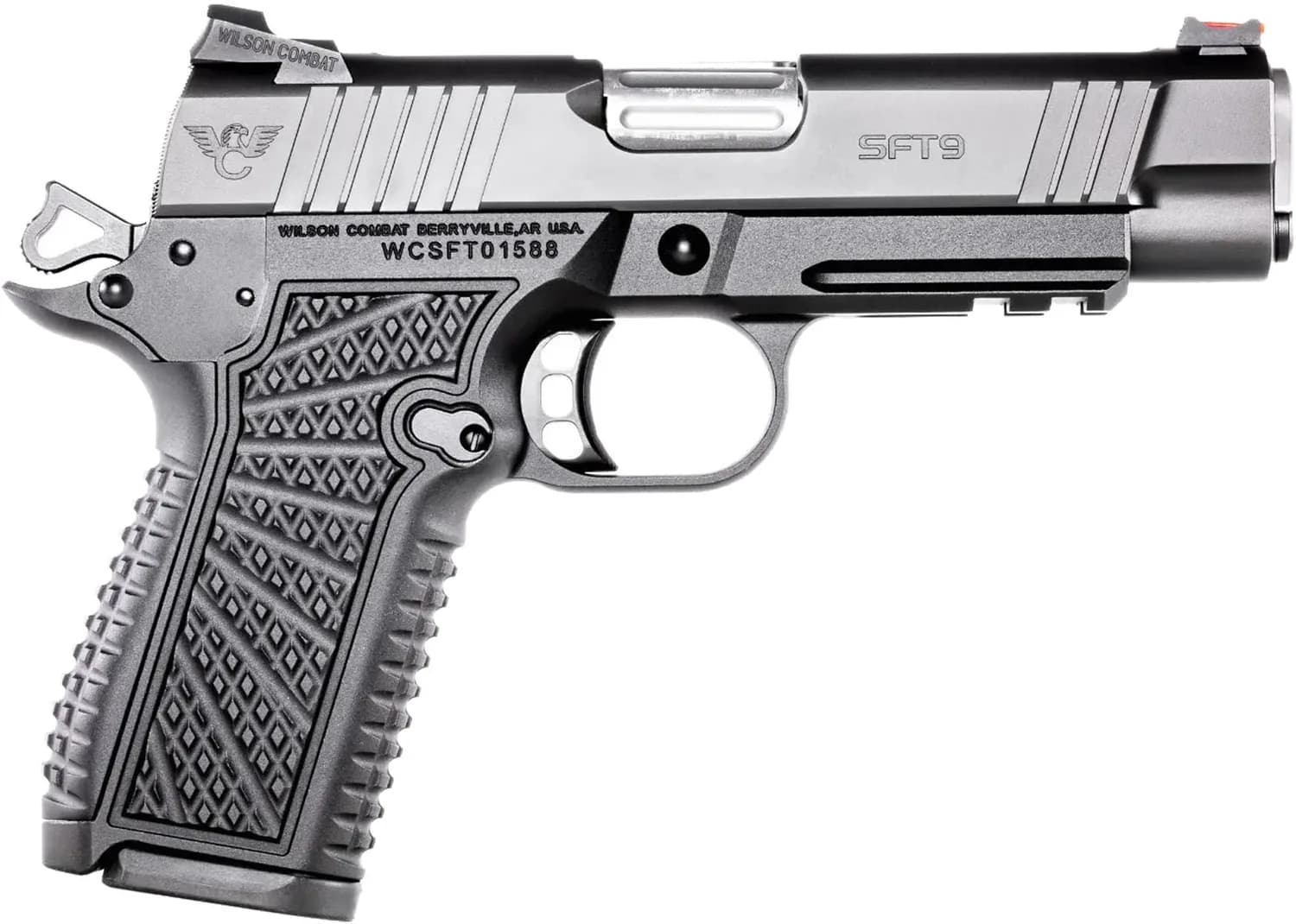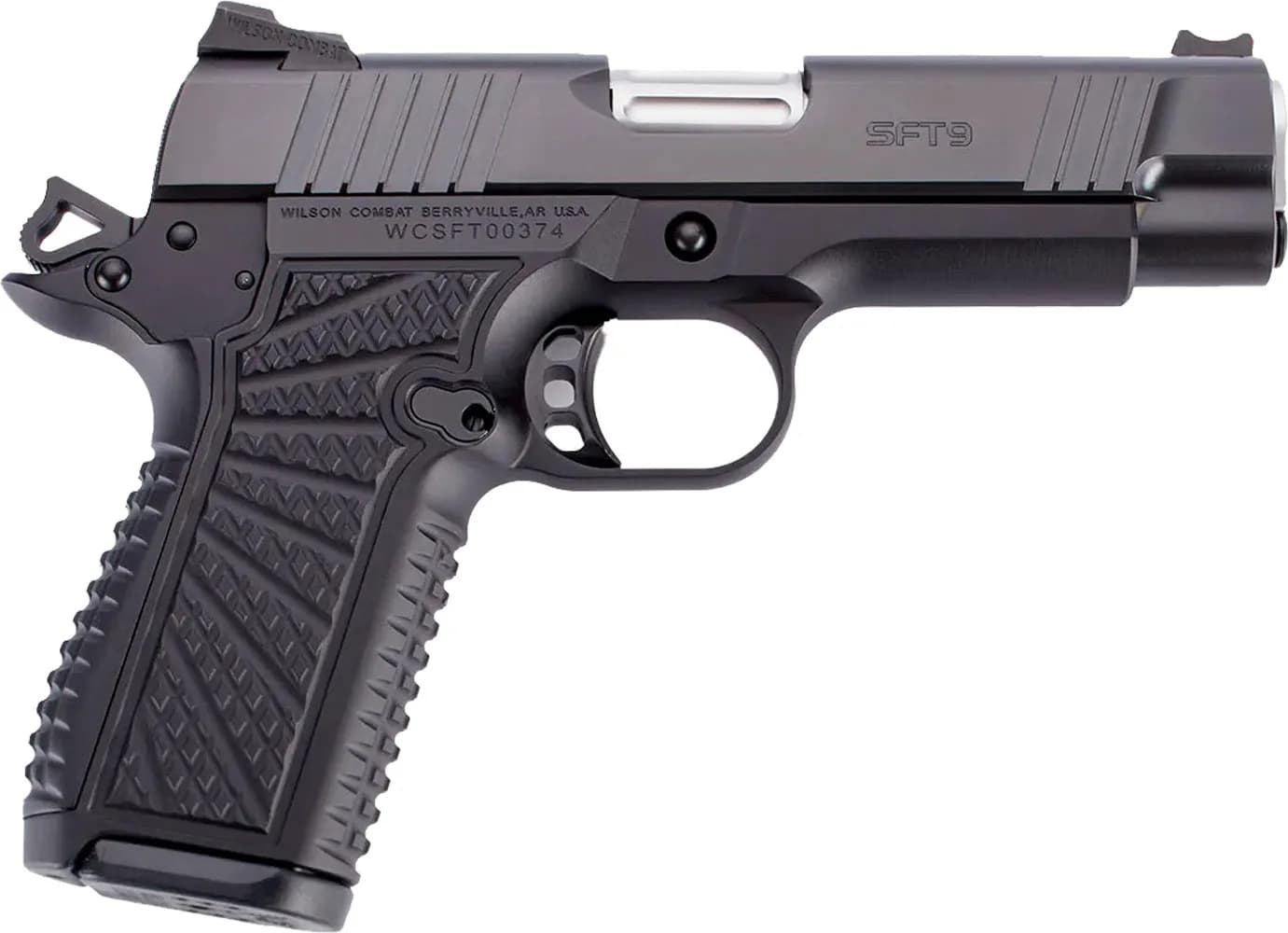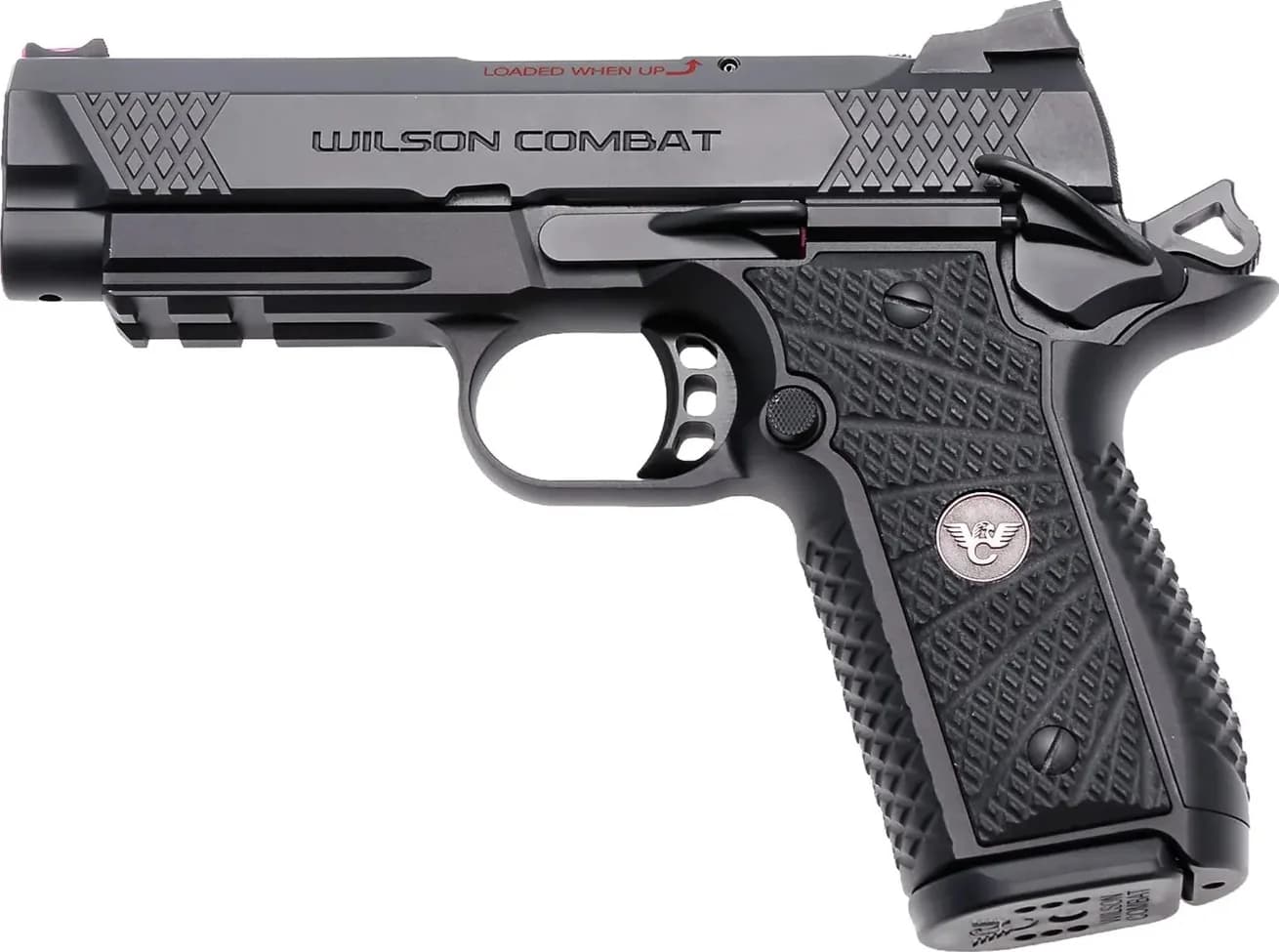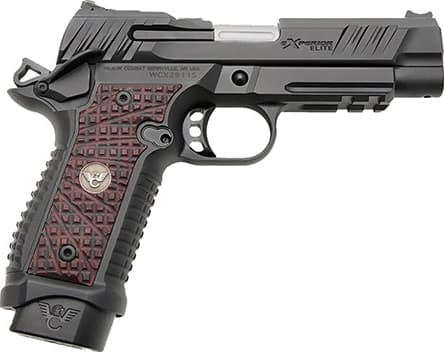
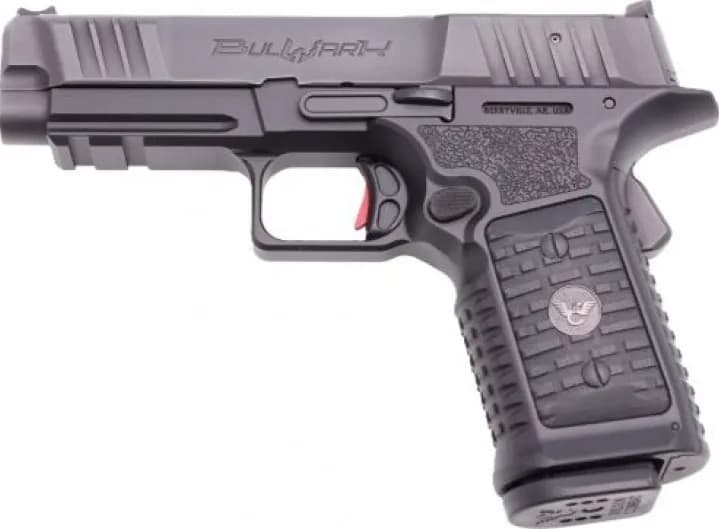
1911 Style Trigger, 7075 Aluminum Construction, 4 Safety Systems, Optic Ready
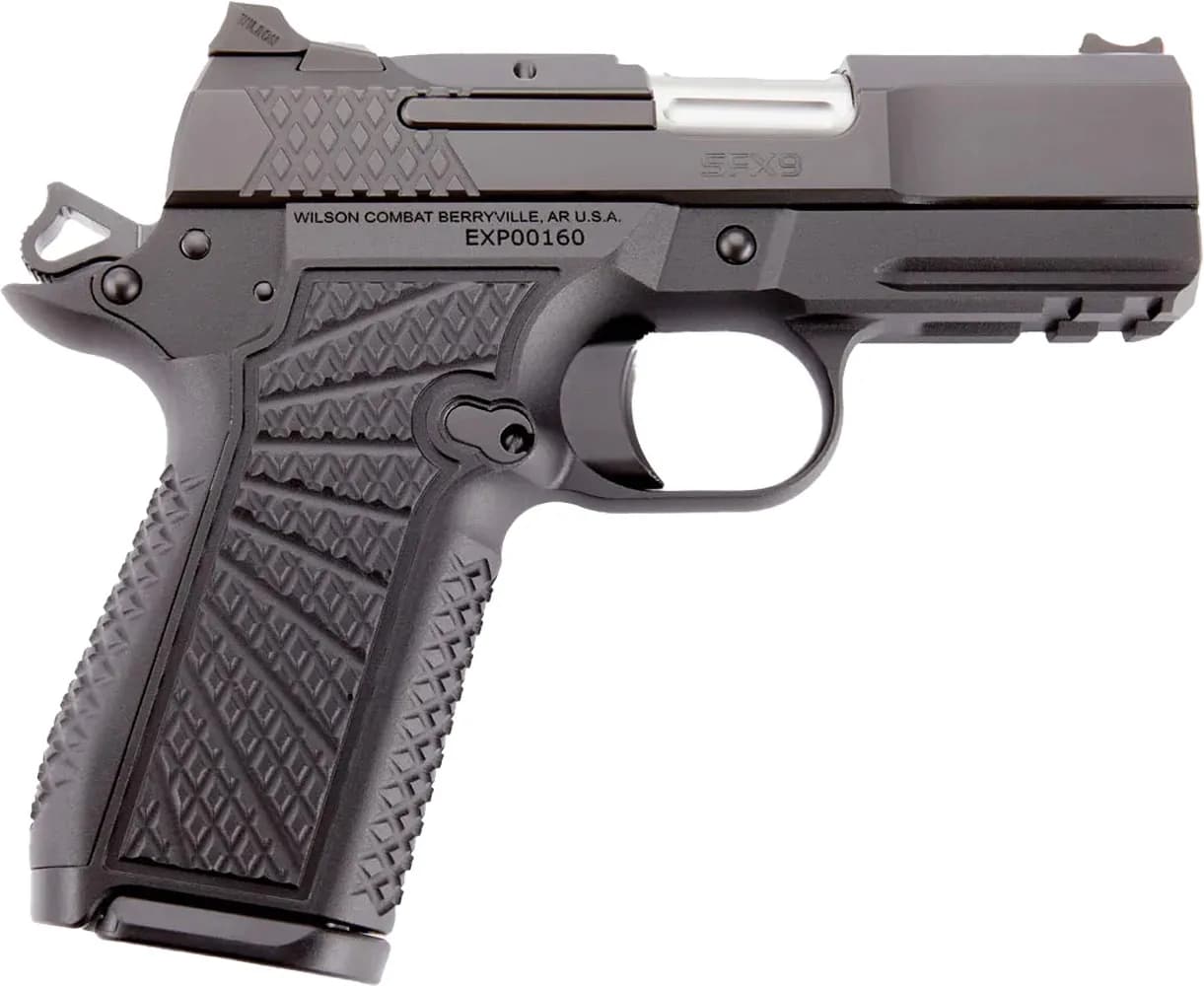
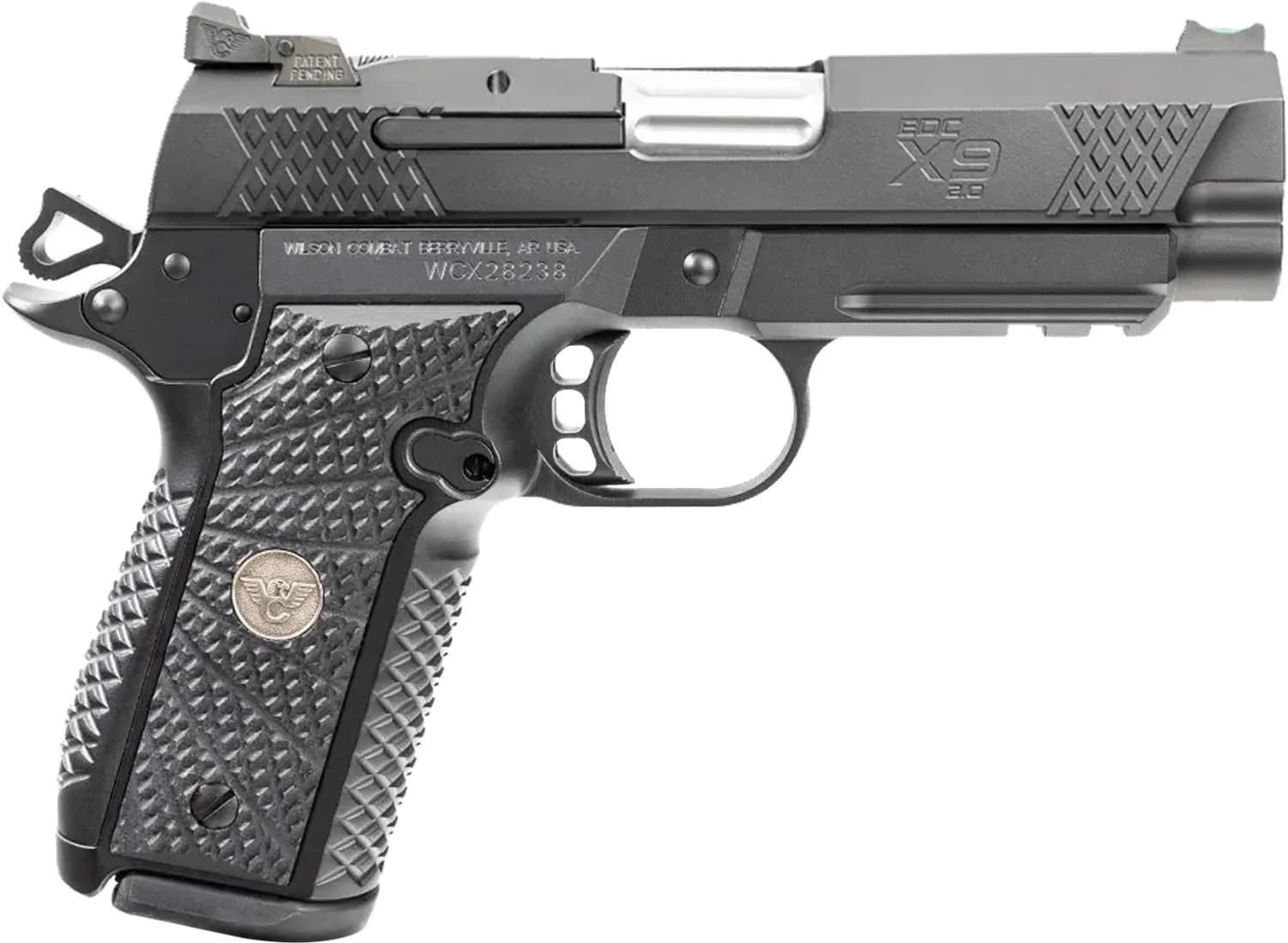
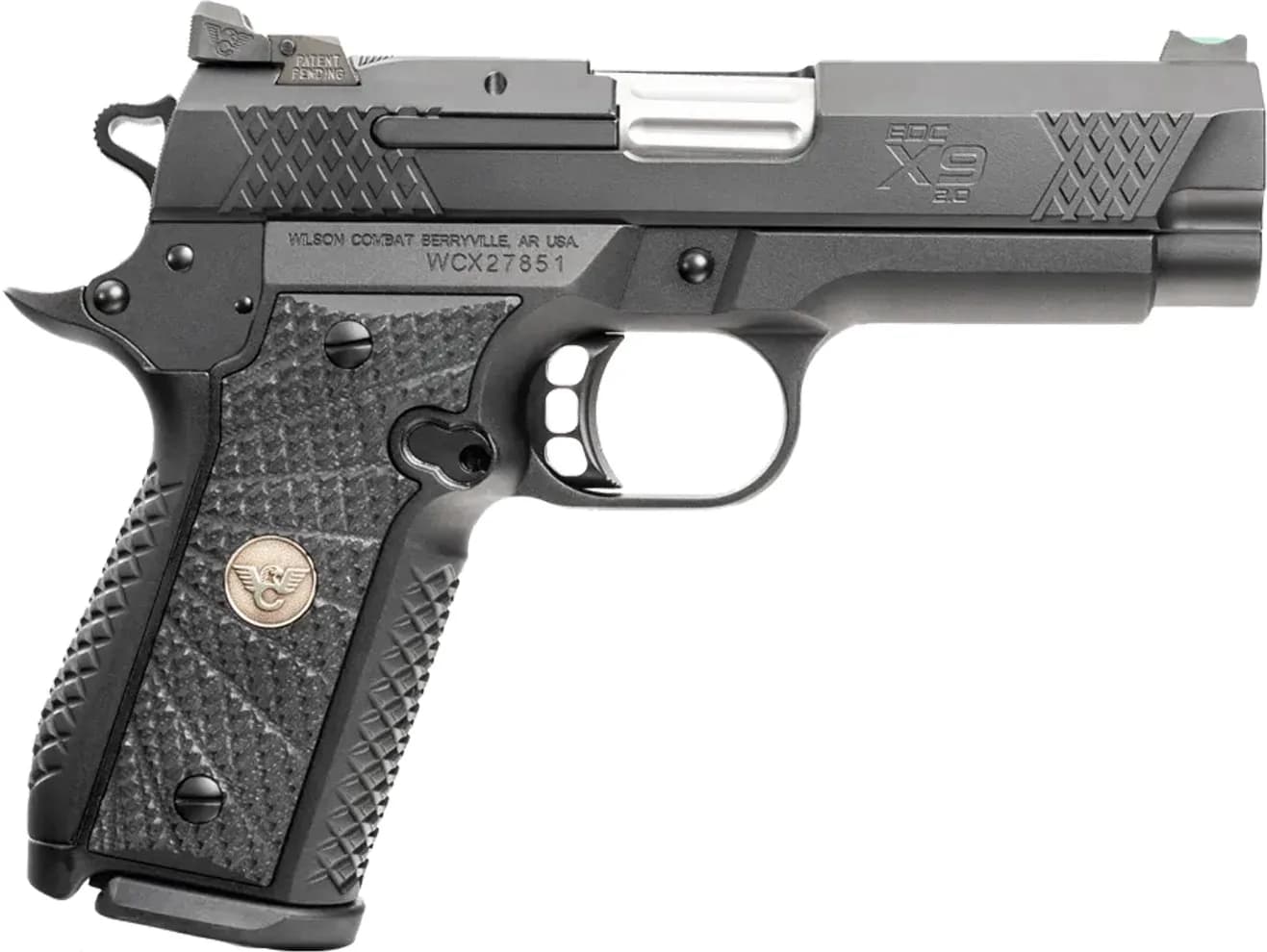
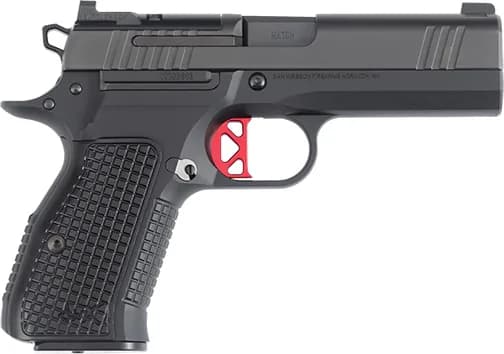
Wilson Combat introduced the BULWARK in the spring of 2026 as its first purpose-built double‑stack compact 9mm pistol built around an enclosed internal hammer and a serialized fire‑control module. The company markets the BULWARK as a compact-duty/.high-capacity defensive platform that blends several Wilson Combat touchstones—1911‑style trigger work, stainless major components, and hand‑fitted barrels—with modern combat‑pistol features such as an optics‑ready slide and modular grip module. The BULWARK was announced alongside Wilson Combat’s positioning of the gun as suitable for both deep concealment and duty carry and is offered from the factory as a 4‑inch, 15+1 9mm variant (base SKU BW‑4‑15).
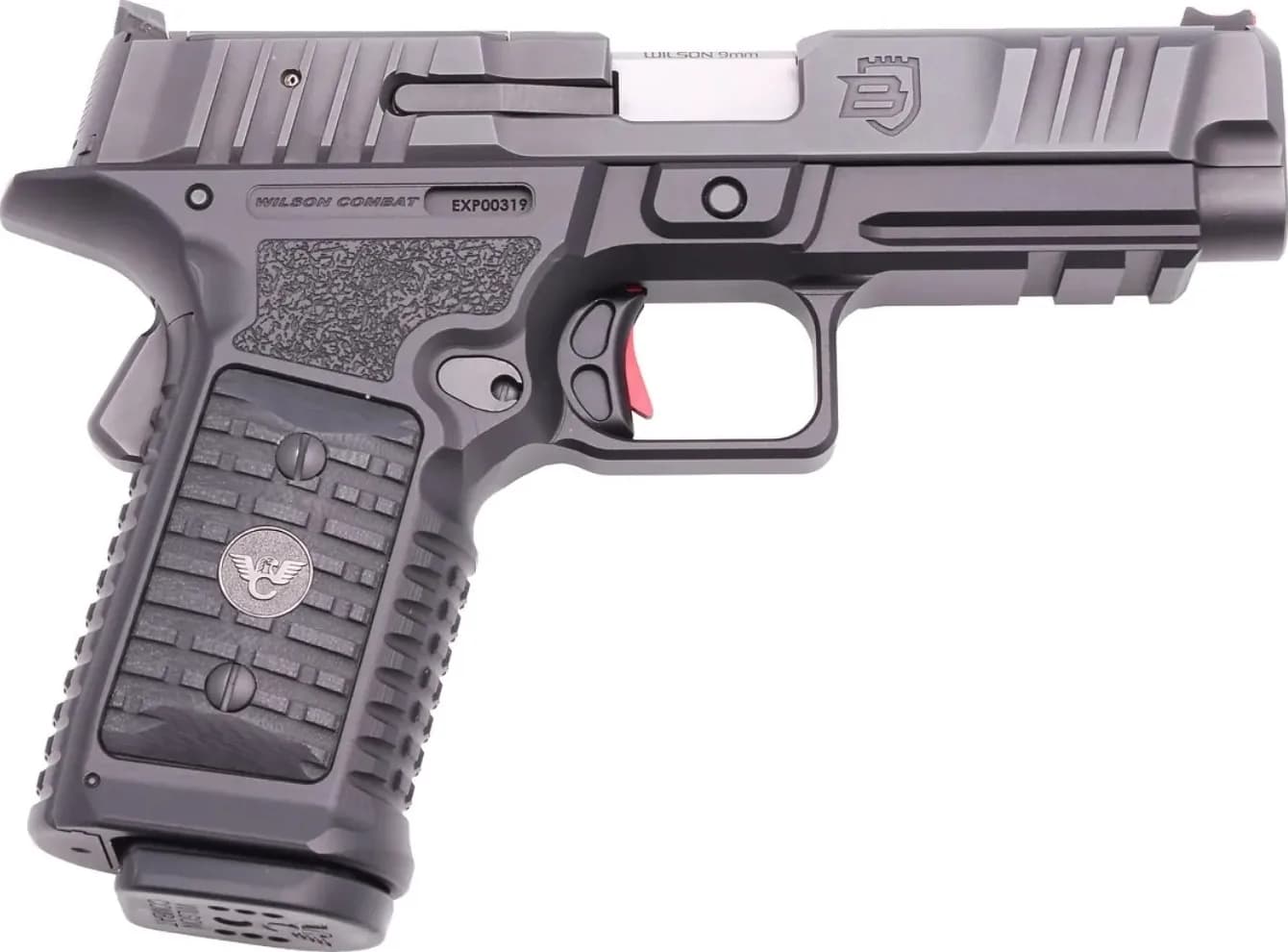
Mechanically the BULWARK departs from mass‑market striker designs by using an enclosed internal hammer and a stainless steel fire control unit housed in an anodized 7075‑series aluminum grip module. That internal hammer arrangement provides the company’s stated goal of 1911‑like trigger characteristics in a snag‑free package, while a serialized fire‑control unit and removable FCU make the platform modular in a way familiar to chassis‑style pistols. The slide and barrel are stainless steel finished in black nitride; the slide is machined with aggressive serrations and carry cuts, and the pistol ships optics‑ready using a pin‑based mounting system intended to accept a broad range of red‑dot footprints. Wilson’s spec sheet also calls out four independent safeties—grip safety, trigger‑pad safety, disconnector, and firing‑pin block—intended to preserve a clean single‑action‑type trigger while maintaining multiple mechanical blocks against unintentional discharge.
Those choices translate into a gun that is intentionally hybrid: a mid‑sized, relatively heavy aluminum‑chassis pistol with a low bore axis and a 1911‑style sliding trigger that Wilson rates at roughly a 3.75–4.25‑pound pull. The aluminum grip module keeps overall weight lower than all‑steel designs while the steel slide and match barrel add mass on top to help tame recoil and muzzle flip. The stated empty and loaded weights (about 33.3 oz empty, roughly 41.6 oz loaded) and a 7.5‑inch overall length place the BULWARK in the compact‑duty category, with an intentionally low profile for clothing concealment and holster compatibility with many Glock‑19–pattern holsters.
Ergonomically the gun favors a positive, aggressive BRICK texture front and backstrap and a G10 grip panel option, paired with a grip safety—a combination likely to appeal to shooters who favor high‑index, controlled carry grips and a tactile safety they trust. The internal hammer keeps the rear of the slide snag‑free for concealment, while the flush slide stop, reversible mag release and integral rail make the gun practical for duty use.
Published first‑look writeups and manufacturer information emphasize the trigger as the BULWARK’s defining shootability characteristic: Wilson and early writeups describe a crisp 1911‑style break and a tactile, short reset, which should aid accuracy for both deliberate and rapid follow‑up shots. Review coverage also highlights the low bore axis and relatively heavy slide as design elements that reduce perceived muzzle rise and contribute to fast recovery between shots. Early reports note the match‑grade, hand‑fitted 4‑inch barrel as the accuracy foundation, with the sighting package (fiber‑optic front, battlesight rear) intended for fast target acquisition.
Objective long‑term durability testing is not yet widely published for the BULWARK, given its recent introduction, but Wilson’s specification and marketing materials emphasize corrosion‑resistant black nitride finishes and stainless internals, and the inclusion of a rigid chassis/fire control unit suggests the design was intended to withstand sustained use without the frame‑stretching issues sometimes associated with polymer frames. Early commentary from industry outlets frames the BULWARK as engineered to meet or exceed 1911 durability expectations while offering lower maintenance sensitivity compared with some striker platforms. Those claims will require independent endurance testing to verify over thousands of rounds.
The BULWARK is primarily targeted at two overlapping user sets: carriers who want a compact, high‑capacity 9mm with a 1911‑style trigger and professional/duty users who need a durable, optics‑ready service pistol. Its combination of 15+1 capacity, 4‑inch barrel and relatively compact footprint mean it can serve as an everyday‑carry pistol for people who accept a heavier carry weight in exchange for controllability and a better trigger than most striker‑fired polymer compacts. The optics cut and integral rail also make it immediately useful for defensive setups that include red‑dot sights or weapon lights.
Limitations are largely a matter of tradeoffs. The aluminum grip module and steel slide make the BULWARK heavier than some polymer‑framed competitors, which helps recoil but raises carry weight. The gun uses proprietary magazines supplied by Wilson Combat, which is a consideration for buyers who prefer interchangeability with common aftermarket magazines. Additionally, the presence of a grip safety and an enclosed hammer will not appeal to everyone; some shooters prefer the simpler, passive ergonomics of contemporary striker platforms. Community reaction in forums and industry comment threads has already highlighted price, magazine commonality and whether a metal‑chassis single‑action compact fills a gap in a market dominated by refined striker designs.
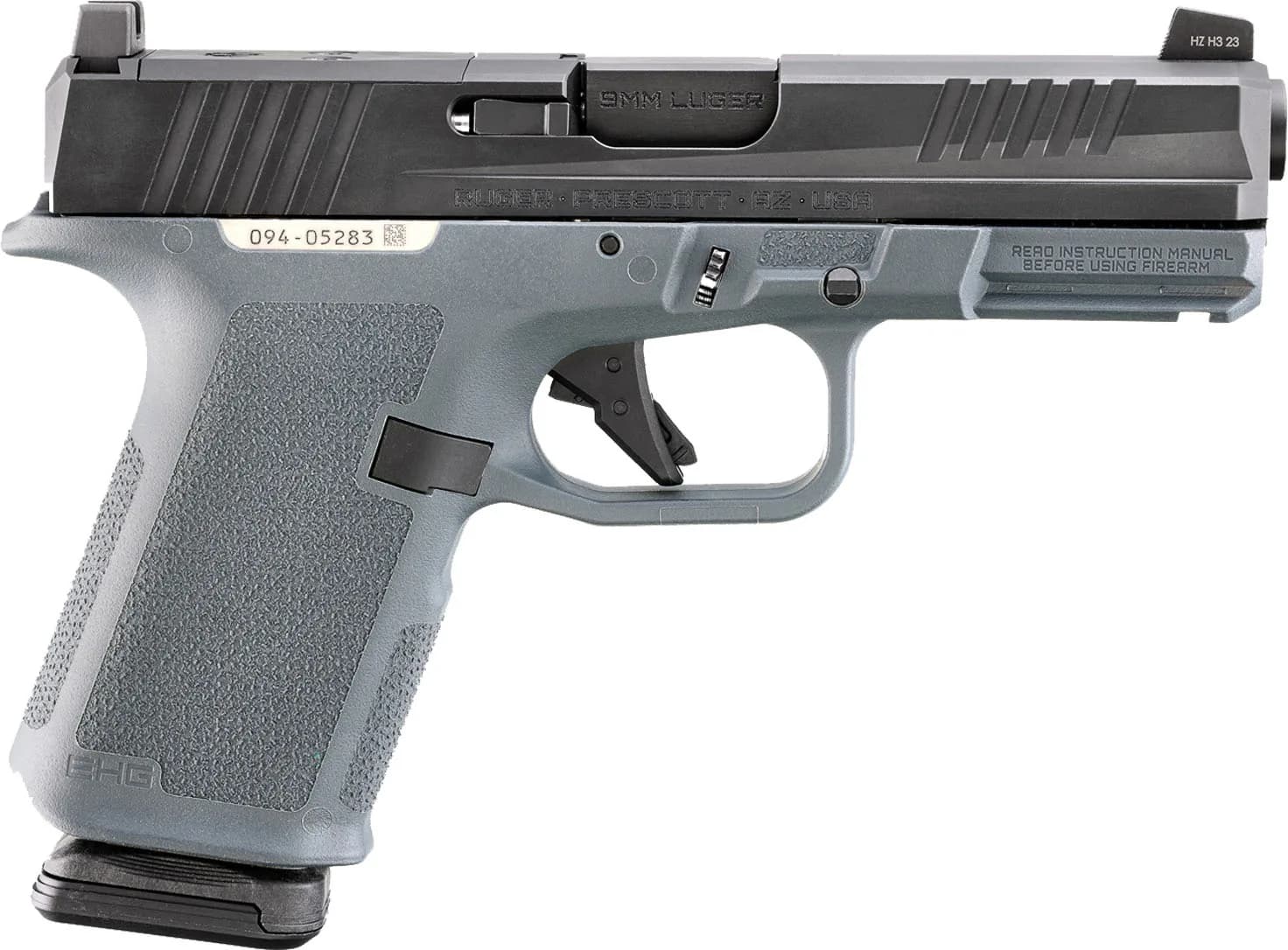
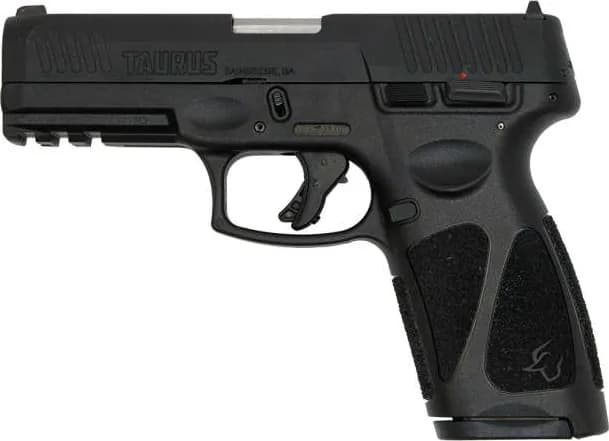
The BULWARK arrives in a crowded compact‑duty 9mm segment alongside established striker and hybrid designs where value is judged on ergonomics, trigger quality, accessories ecosystem and cost of ownership. Wilson has positioned the BULWARK at the premium end of that spectrum by bringing Wilson‑grade finishing, match barrels, and a distinctive internal hammer/1911‑style trigger to a double‑stack frame. Review outlets note it competes more with premium midsize offerings—guns that emphasize refined triggers and metal construction—than with entry‑level polymer compacts. That places it as an attractive option for shooters who prize trigger feel and metal construction and are willing to accept the tradeoffs (weight, proprietary mags, and a premium purchase price) in exchange for those attributes. Industry comparisons also point out that the BULWARK’s Glock‑19–like footprint and optics readiness make it easier to integrate into existing holster and accessory ecosystems than some other proprietary metal‑frame designs.
For a buyer deciding between a conventional polymer striker pistol and the BULWARK, the choice will come down to priorities: if a crisp single‑action trigger, metal components and a low bore axis are worth a higher price and slightly greater weight, the BULWARK offers a distinctive package. If maximum economy, lightness, or magazine commonality are primary concerns, the tradeoffs may favor one of the many established striker‑fired compacts. Early impressions suggest the BULWARK has the engineering credentials and feature set to find a solid niche among shooters who value Wilson Combat’s approach to triggercraft and build quality.
Start with a practical guide if you want a faster way to narrow the field before comparing specific models.
Learn how to choose the right 9mm handgun based on size, budget, and how you plan to use it.
Read guideCarry-focused shoppersLearn how to choose the right concealed carry handgun based on size, comfort, safety, and everyday usability.
Read guideComparison-focused shoppersA practical guide to comparing handguns the right way: what actually matters, what to ignore, and how to use comparison tools effectively.
Read guide