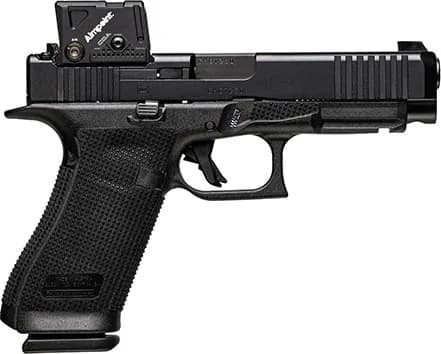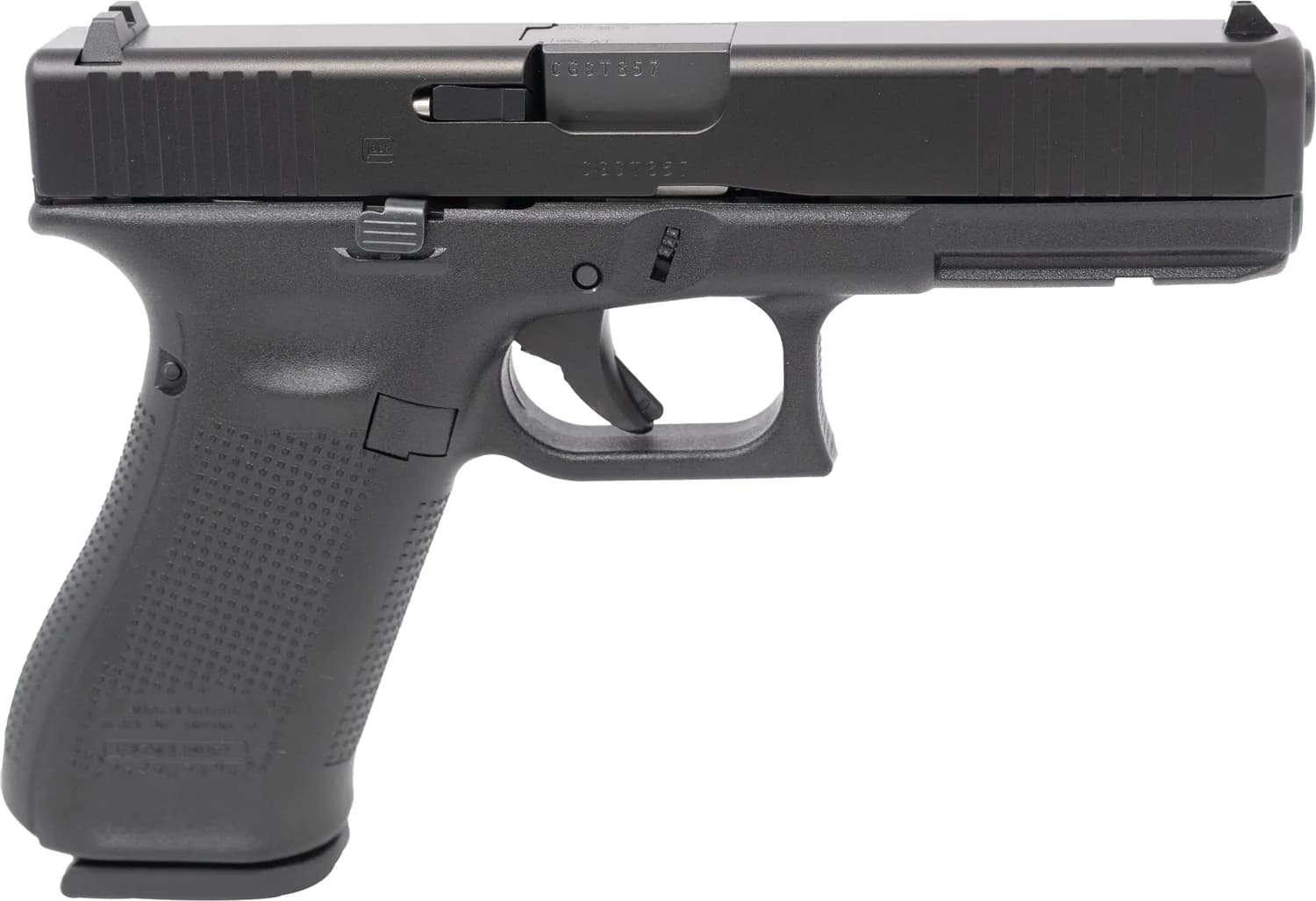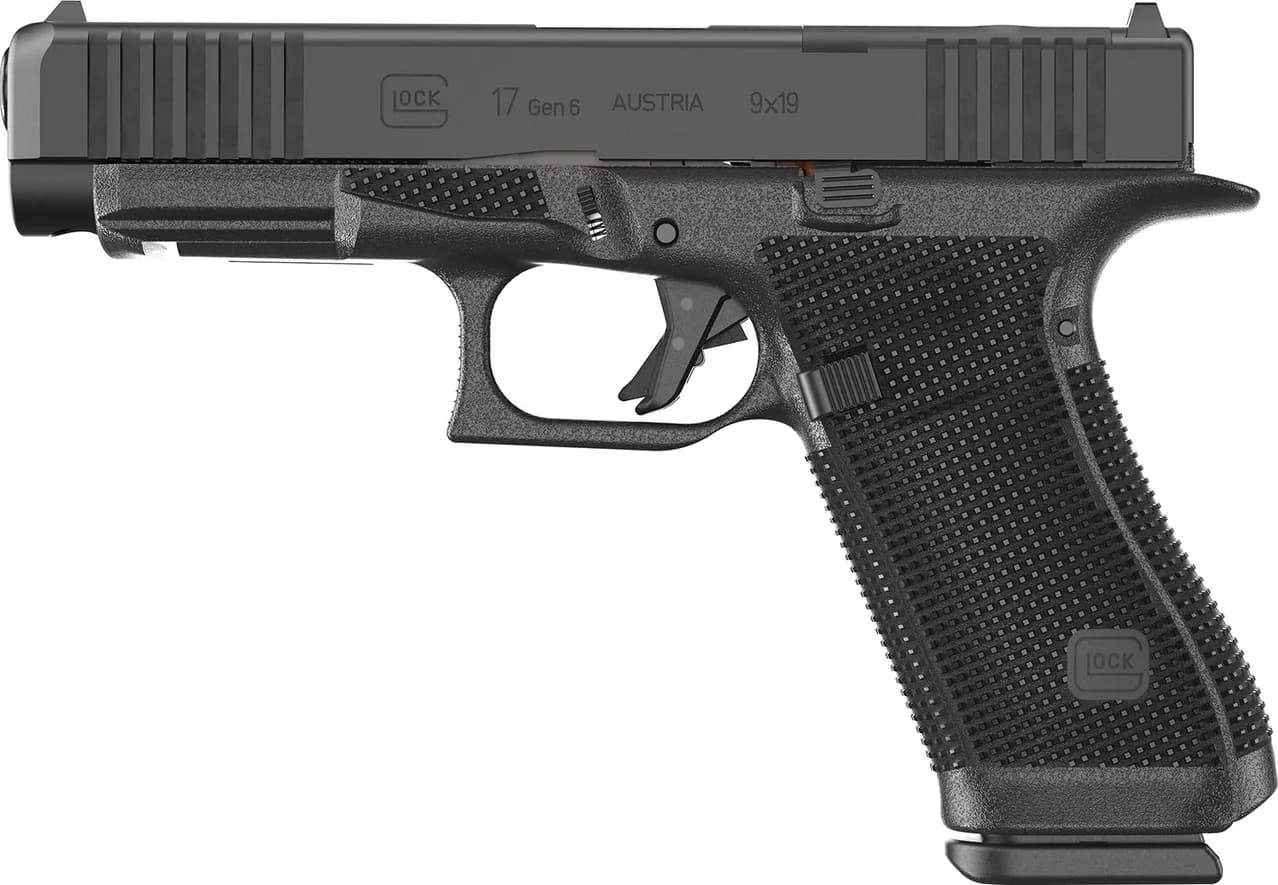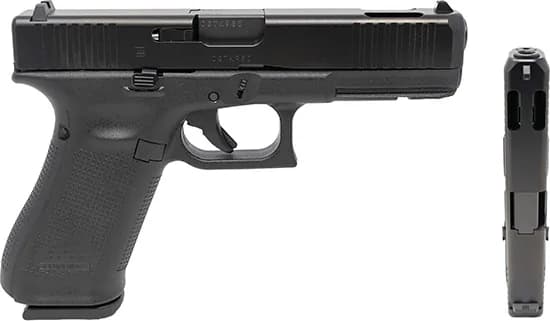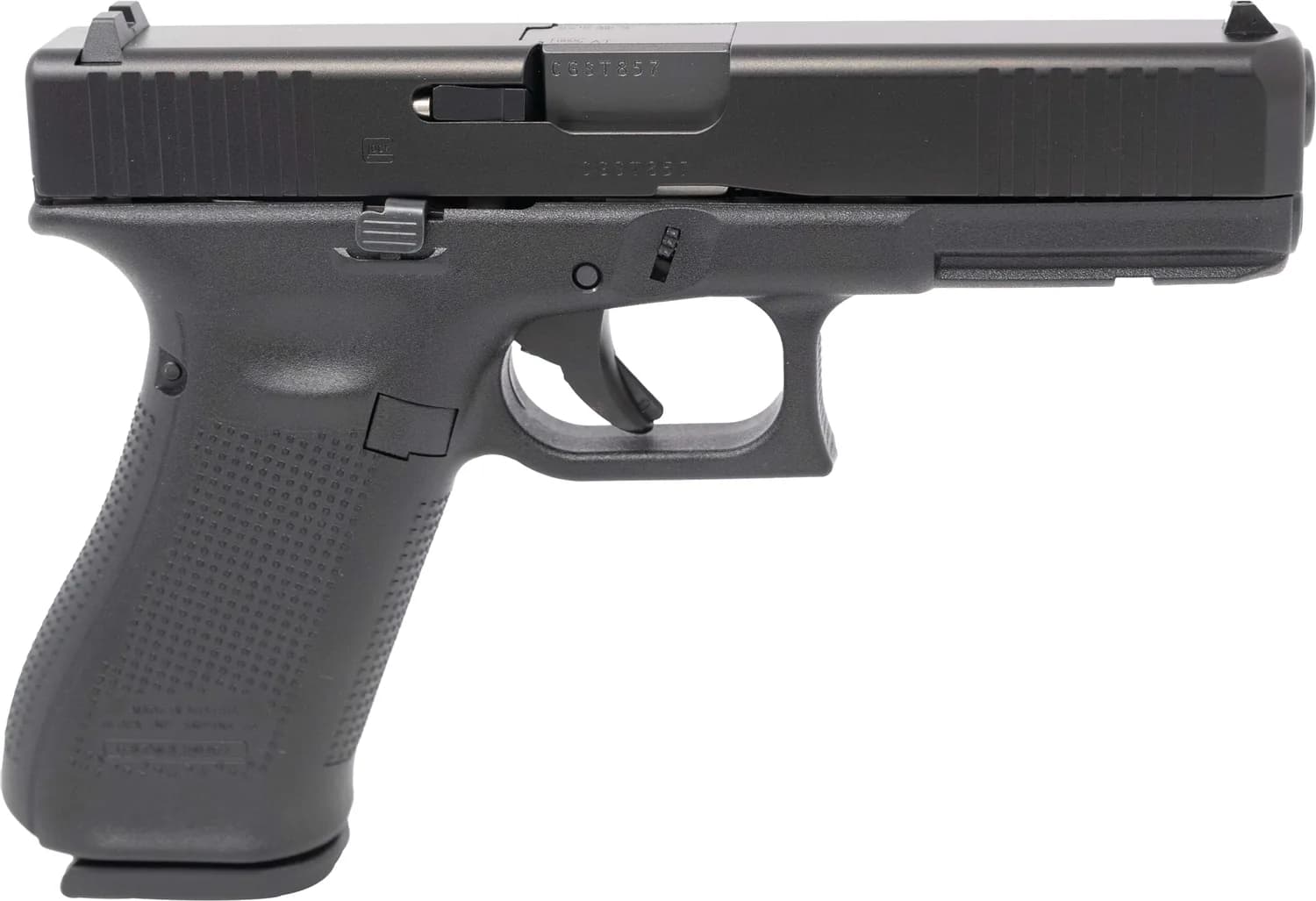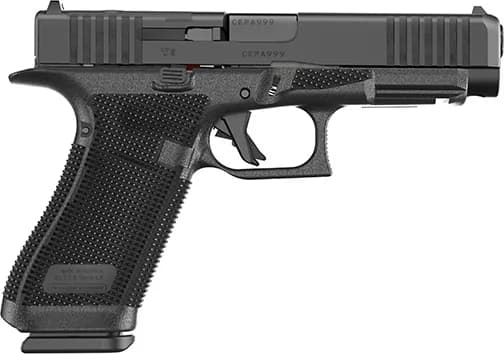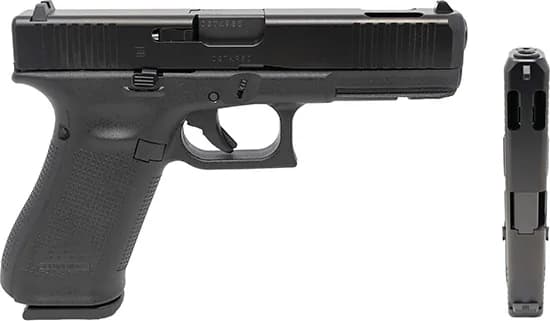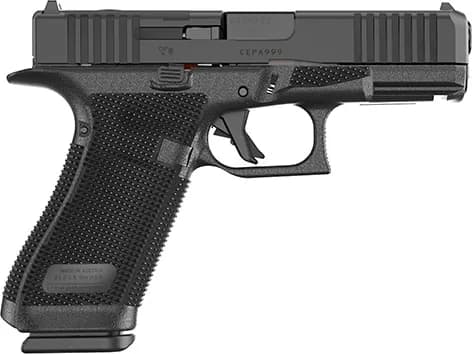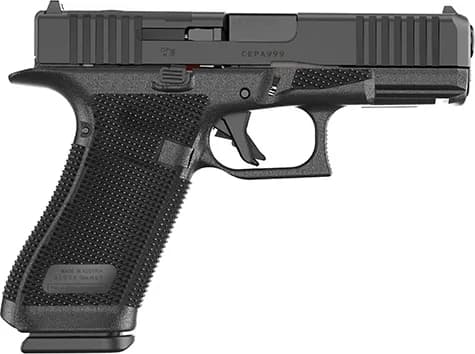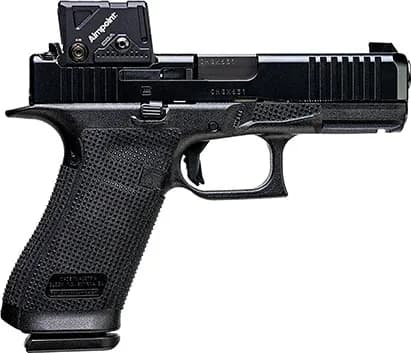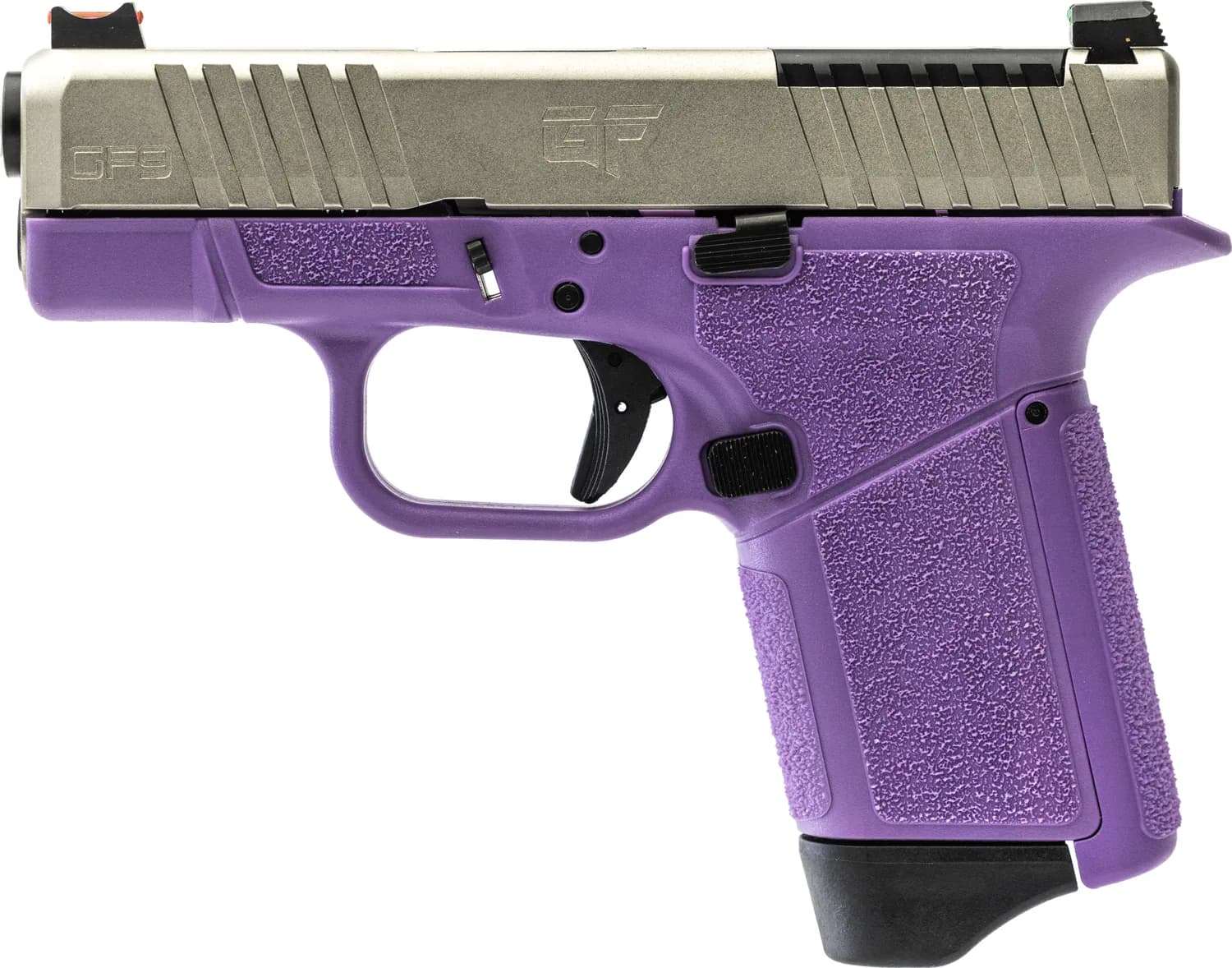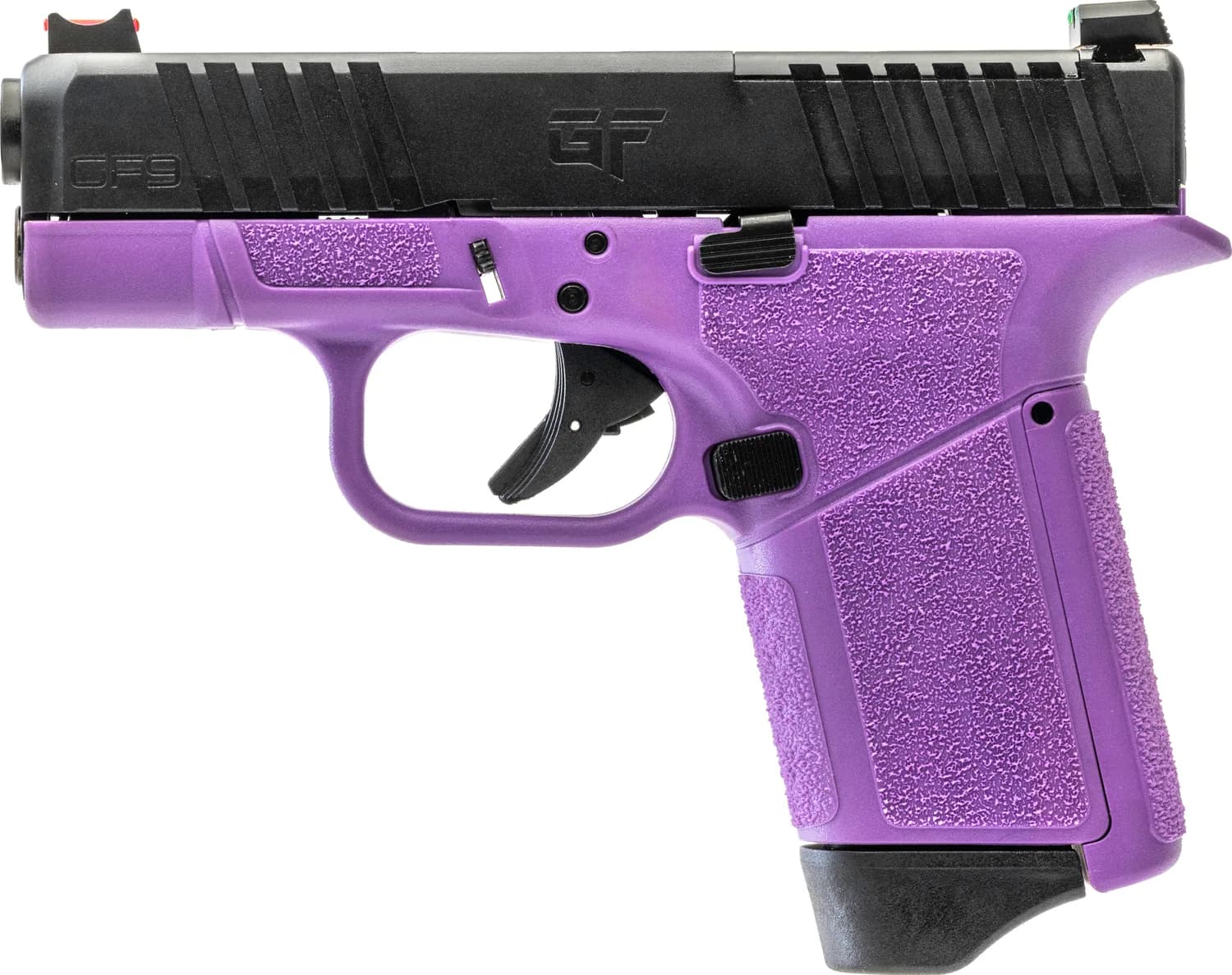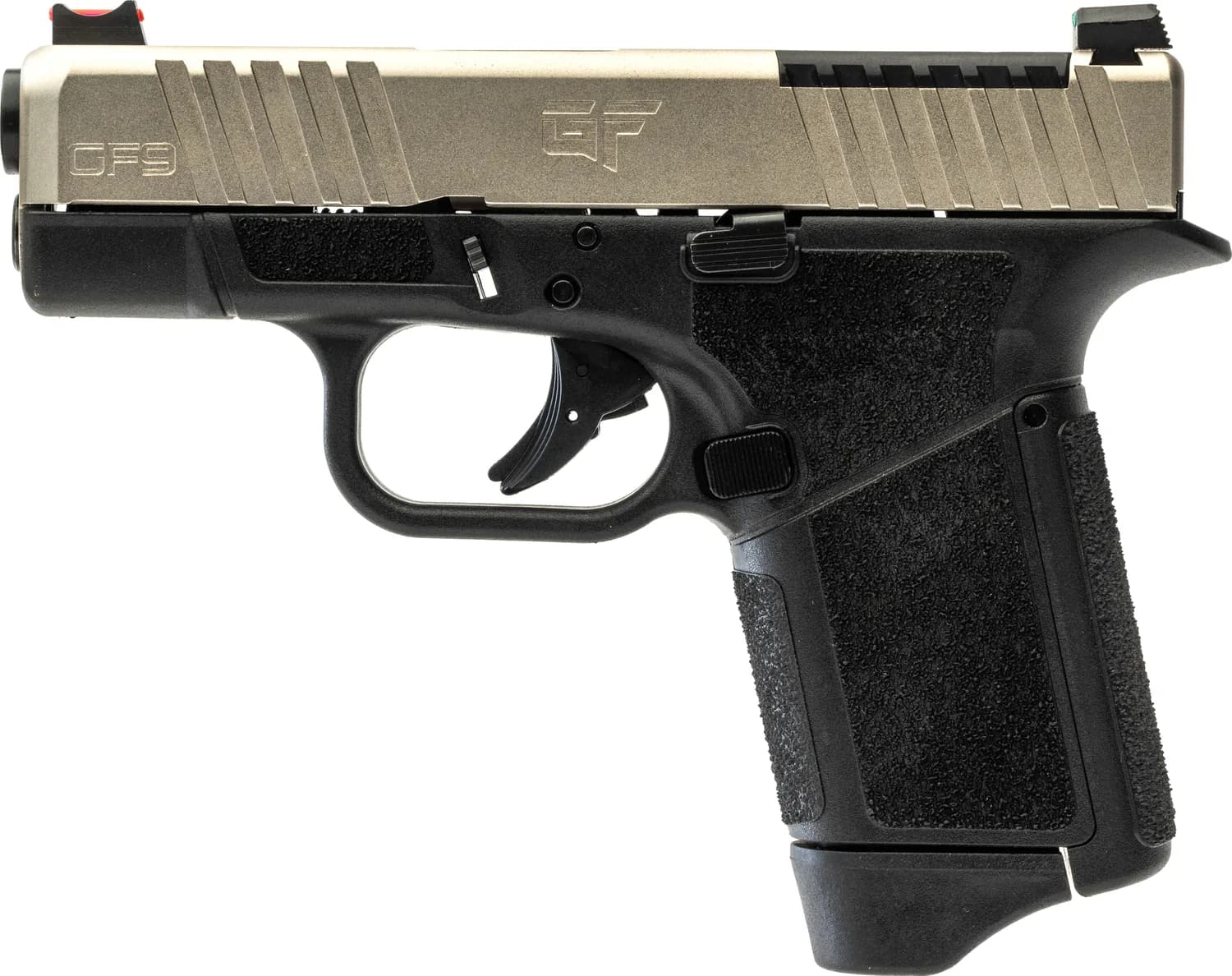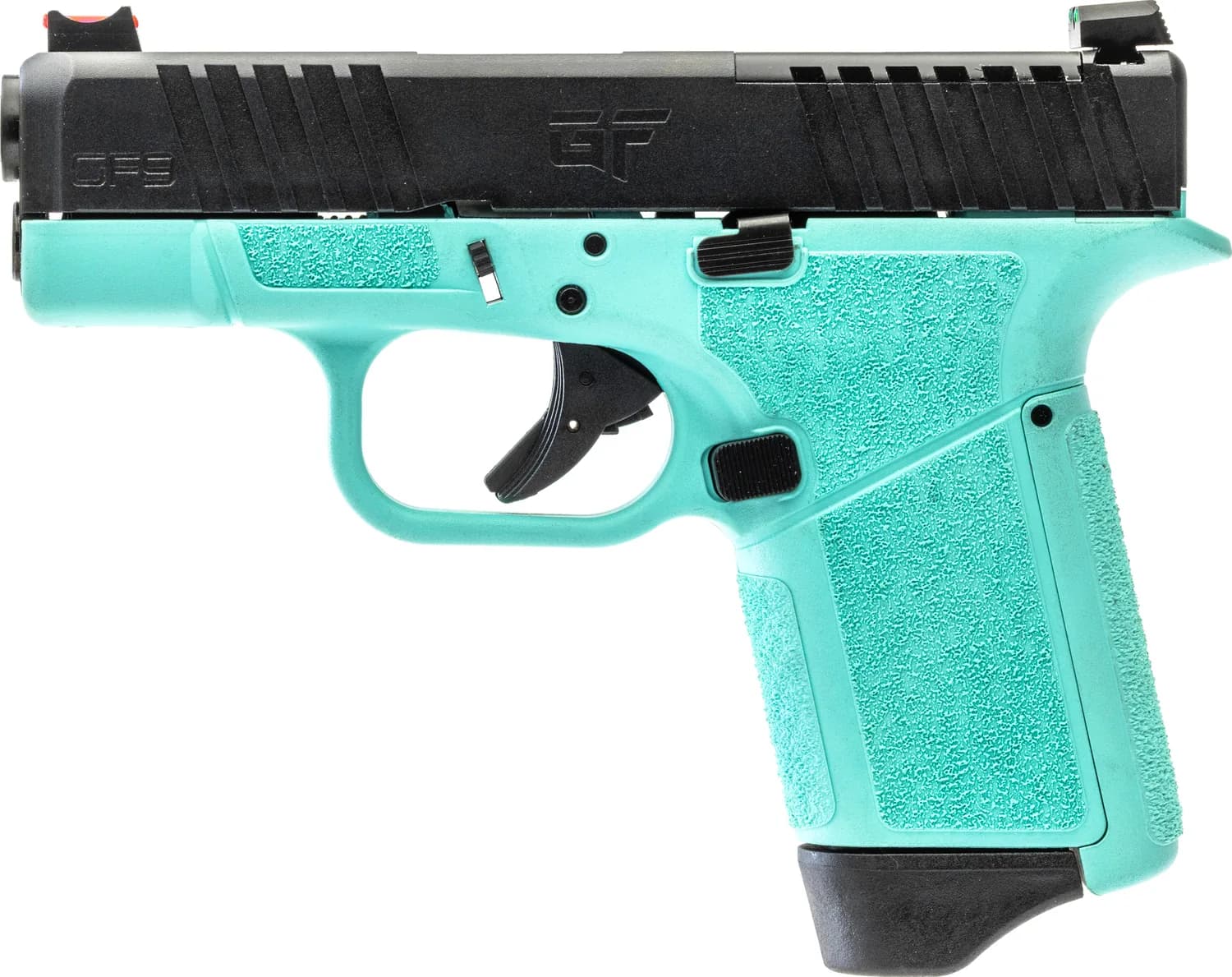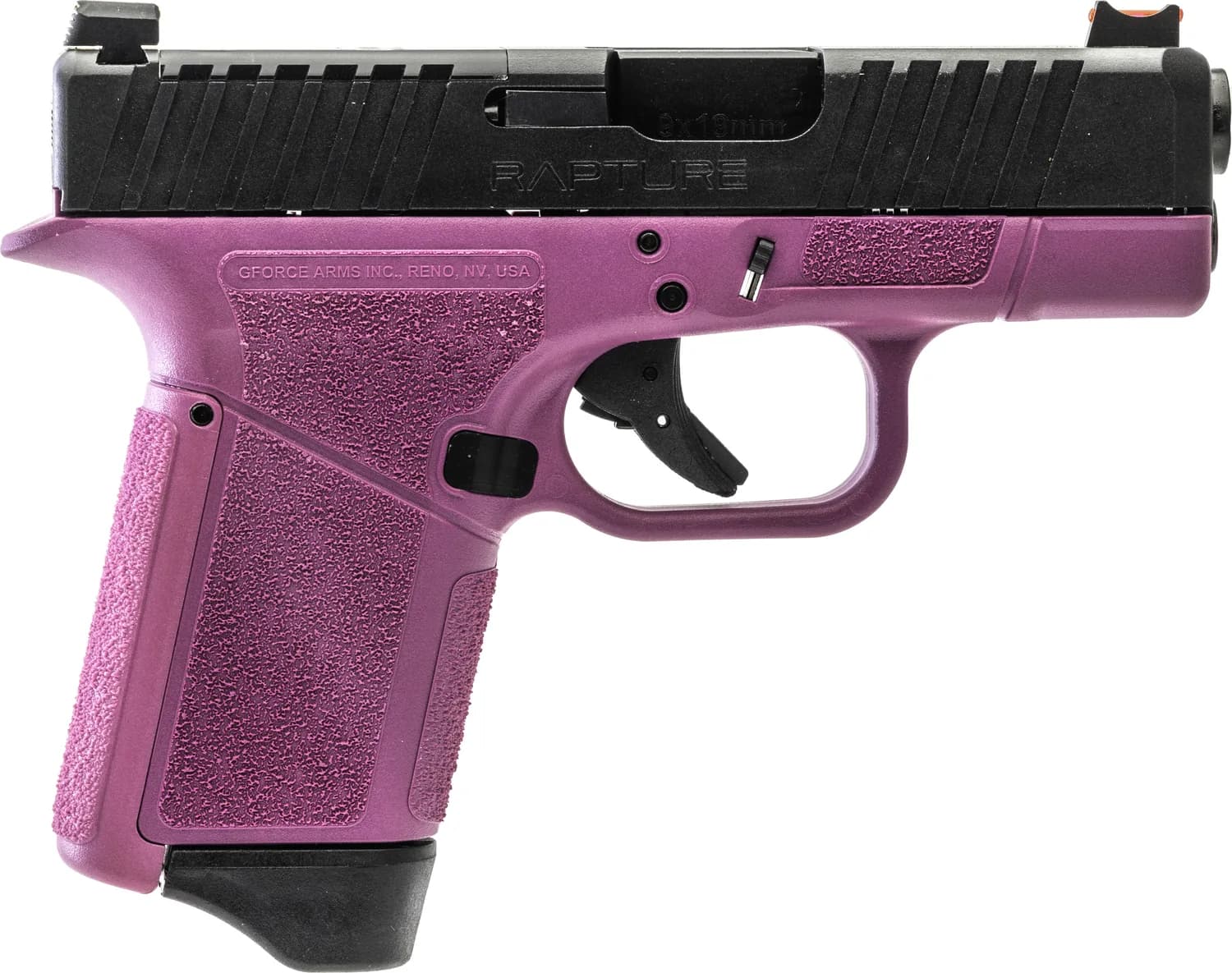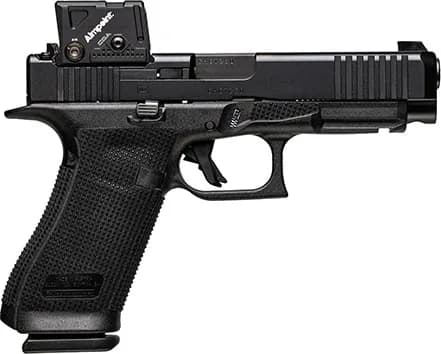
DC8 COA Aimpoint, Palm Swell, RTF6 Grip Texture, Flat Faced Trigger, Enlarged Beavertail, Thumb Rest
The Glock G17 Gen6 COA represents Glock’s effort to marry its long-running full‑size 9mm platform to Aimpoint’s new, purpose‑built pistol red‑dot system. Announced as part of Glock’s collaboration with Aimpoint, the Gen6 models were rolled out with an optic‑ready slide specifically cut for Aimpoint’s COA sight and its A‑CUT mounting interface — a factory‑integrated approach intended to deliver a lower, mechanically locked mount without the stacking and adapter‑plate compromises of earlier optics solutions.
Glock positions the Gen6 as an ergonomic evolution of its service‑pistol line: a full‑size platform with a standard 17‑round magazine capacity, an updated grip profile (palm swell, thumb rest, and Gen6 grip texture) and a flat‑faced trigger intended to improve finger placement and control. The basic mechanical architecture remains Glock’s Safe Action striker system; the Gen6 updates are focused on shootability and an optics‑first slide design.
Mechanically, the Gen6 G17 is a conventional, full‑size, polymer‑frame, striker‑fired pistol built around familiar Glock internals. Glock’s published technical data show a 114 mm (4.49 in) barrel and the full‑size footprint that shooters expect from a G17—the slide and frame geometry are engineered to accept the A‑CUT style COA optic so the dot sits low and can co‑witness with the factory iron sights. Ergonomic changes such as the palm swell, thumb rest and a new grip texture were implemented to “lock in” the hand and reduce slide contact during recoil, while the flat‑faced trigger is aimed at more consistent finger placement. Glock lists the Gen6 trigger distance and a trigger pull force in new‑build spec sheets, reflecting the company’s stated approach of incremental, user‑facing ergonomics changes rather than wholesale mechanical redesign.
On the optics side, Aimpoint’s COA is an enclosed‑emitter reflex sight designed around the A‑CUT interface: a dovetail‑style, front‑hook-and‑rear‑wedge lock that Aimpoint and its OEM partners describe as stabilizing the optic in all directions and delivering repeatable return‑to‑zero under heavy use. The COA sight itself is specified as a small, duty‑grade unit with a 3.5‑MOA dot, CR2032 battery power and multi‑year runtime claims; Aimpoint presents the system as a low‑profile, robust alternative to plate‑and‑screw approaches.
In practical handling, the Gen6 G17’s full‑size weight and longer sight radius make it inherently stable and easy to shoot well at speed and at distance. Reviewers and range‑testers have noted that the Gen6’s undercut and palm swell tend to hold the hand lower on the frame, which reduces muzzle flip and encourages faster follow‑ups—attributes that pair naturally with a red dot’s rapid target acquisition. Glock’s single‑system recoil‑spring choice for Gen6 has been reported to soften perceived recoil compared with some prior dual‑spring designs, enhancing control in rapid strings.
Independent testing of factory COA‑equipped pistols and reviews of the Aimpoint COA itself have been largely positive about the dot’s clarity, battery life and the promise of a mechanically secure A‑CUT mount that minimizes optic shift. Press and trade reviews have praised the COA’s enclosed emitter and low deck for becoming an OEM‑friendly option that removes a lot of the uncertainty that comes with aftermarket plate stacks. At the same time, early adopters and range reports have produced mixed notes: some reviewers reported no malfunctions through test strings while some user reports described occasional ammo sensitivity or feeding oddities during initial break‑in. These latter reports are discussed in user forums and range narratives rather than formal failure notices; reviewers who performed structured test protocols frequently reported reliable operation after break‑in using common defensive and range loads.
Durability claims for the COA are from the optic’s manufacturer: an enclosed, 7075‑T6 aluminum housing, submersible ratings and long runtime figures are part of Aimpoint’s published spec sheet, and Aimpoint and Glock materials emphasize that factory integration reduces variables that can affect long‑term repeatability. Independent long‑term torture testing is still accumulating for these newest factory combos; initial industry reviews and institutional procurements indicate confidence in the package for operational use.
Because it’s a full‑size 9mm with a standard 17‑round capacity and an optics‑centric slide, the G17 Gen6 COA fits squarely into duty, home‑defense and training roles where sight radius, capacity and controllability matter. The factory‑mounted COA makes the pistol attractive to agencies and competitors who want a proven red‑dot solution without investing in third‑party milling and plate stacks; Aimpoint’s focus on low deck and co‑witness compatibility also appeals to users who want a conservative sighting interface.
For deep concealment carry, the full‑size footprint is a limitation: the G17‑sized frame requires larger holsters and clothing considerations compared with compact models. Likewise, users who prefer to choose their own optic footprint or who already own optics with non‑A‑CUT footprints may find a factory COA package less flexible. Holster and light/laser compatibility are well supported in the aftermarket for full‑size Glock platforms, but buyers should plan holster and accessory selection around the factory‑installed optic.
The G17 Gen6 COA arrives at a moment when OEM optic integration is a primary purchasing driver. Glock’s decision to factory‑fit an Aimpoint COA gives the company a distinctive, high‑quality dot option that competes strongly with other factory optics packages and with the growing market of affordable pistol reflexes. Compared with earlier MOS‑style Glock offerings and aftermarket plate conversions, the A‑CUT/COA package reduces stacked interfaces and simplifies the ownership equation for agencies and end users who prefer a manufacturer‑assured solution. Industry observers have noted that Aimpoint’s move to license the A‑CUT for other manufacturers signals broader adoption of the footprint, but the initial Glock‑factory pairings remain among the most mature factory integrations available.
Value for money in this segment depends on the buyer’s priorities: if turnkey optics, proven commercial dot technology and minimal setup work are important, factory COA packages offer a compelling single‑purchase solution. For users who prize modularity, aftermarket options and cross‑platform plate compatibility, other optics or MOS models may still be preferable. Early reviews and procurement activity suggest the G17 Gen6 COA is being taken seriously by departments and competitors who want an out‑of‑the‑box red‑dot duty pistol, while civilian owners are weighing the convenience of a factory system against the desire for customization.
The G17 Gen6 COA is therefore best read as Glock and Aimpoint’s joint answer to a now‑standard user expectation: a factory‑ready, service‑grade pistol/optic package that prioritizes ergonomics, repeatable mounting and low‑profile dot acquisition. As long‑term durability data and broader user experience continue to accumulate, the package looks to be a notable and practical entry in the full‑size red‑dot pistol market.
Start with a practical guide if you want a faster way to narrow the field before comparing specific models.
Learn how to choose the right 9mm handgun based on size, budget, and how you plan to use it.
Read guideHome-focused buyersLearn how to choose the right handgun for home defense based on safety, ease of use, and practical everyday considerations.
Read guideComparison-focused shoppersA practical guide to comparing handguns the right way: what actually matters, what to ignore, and how to use comparison tools effectively.
Read guide