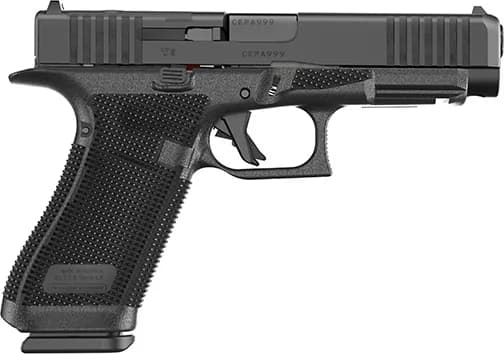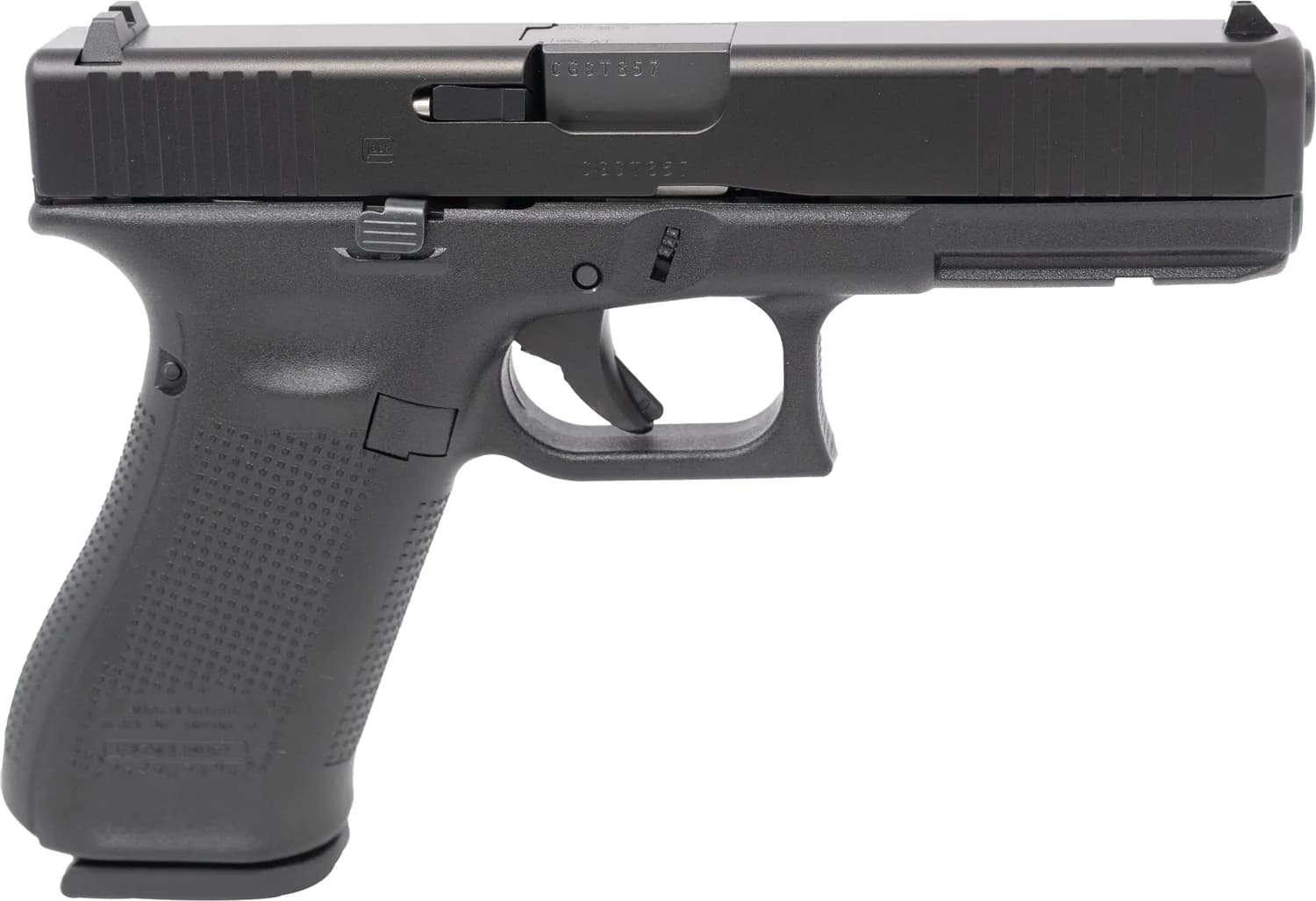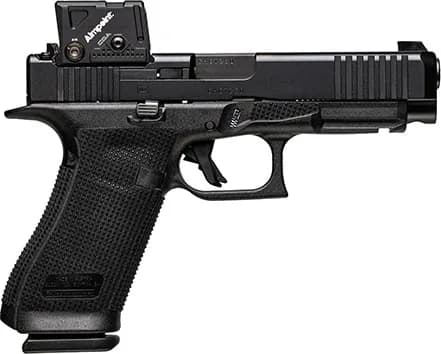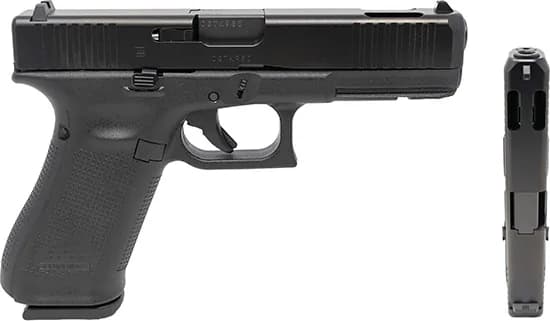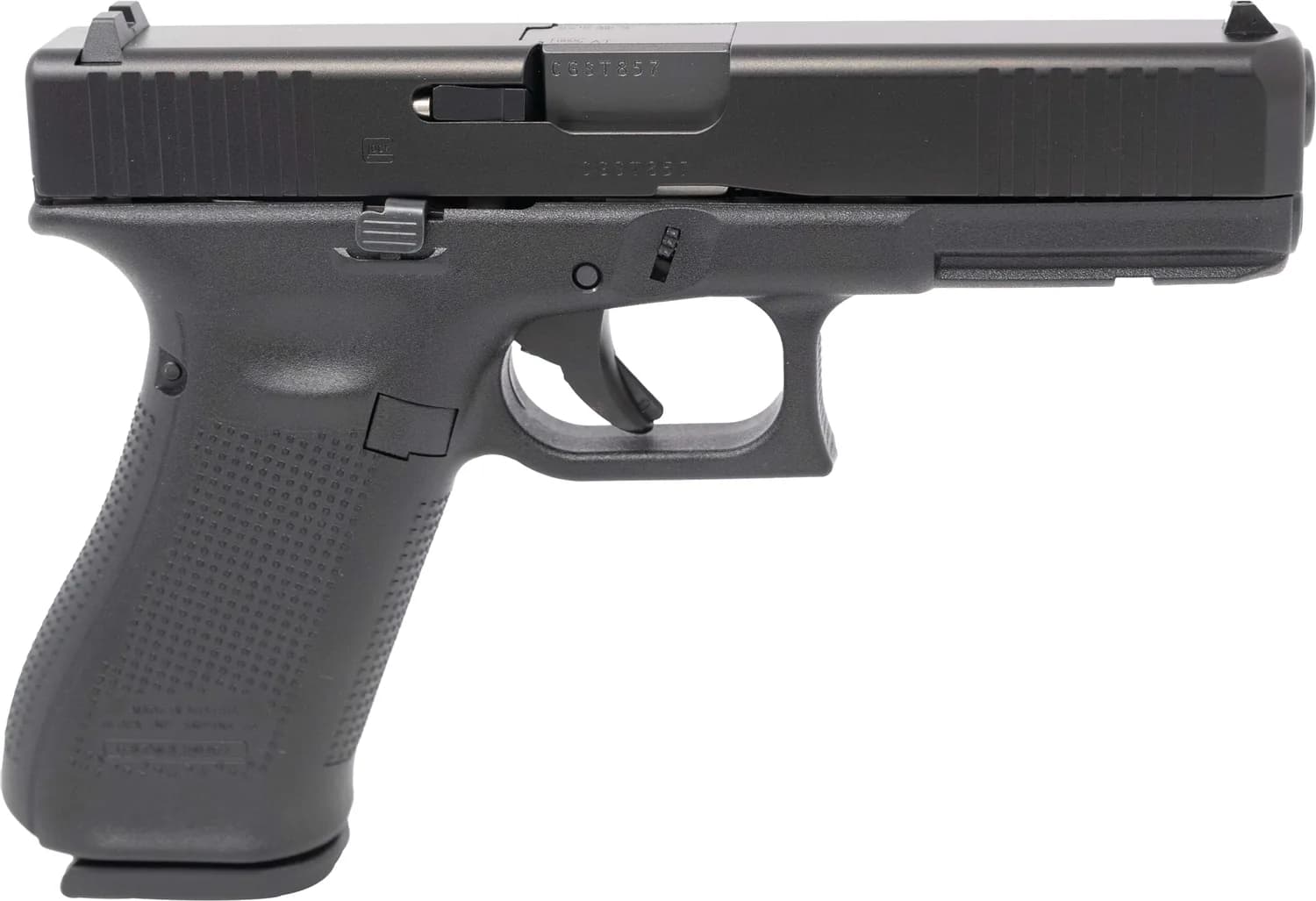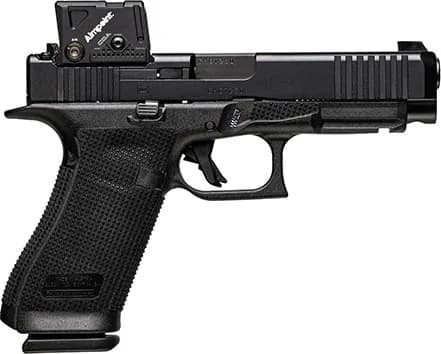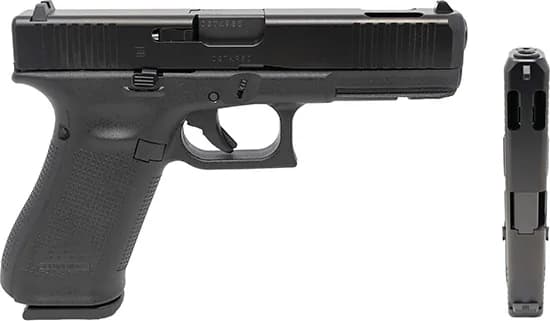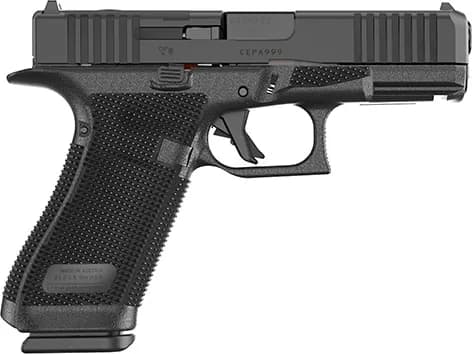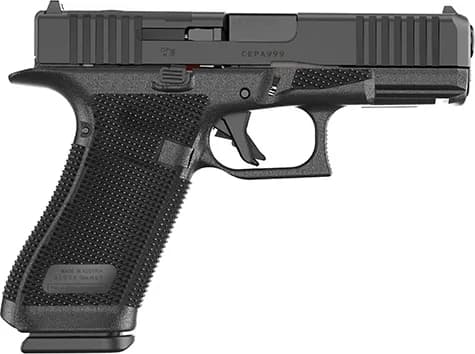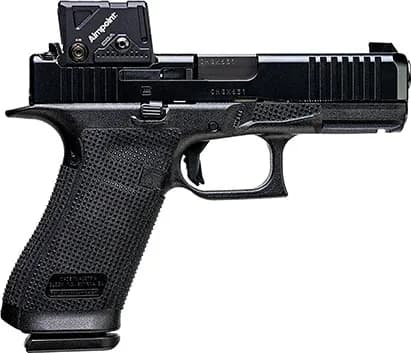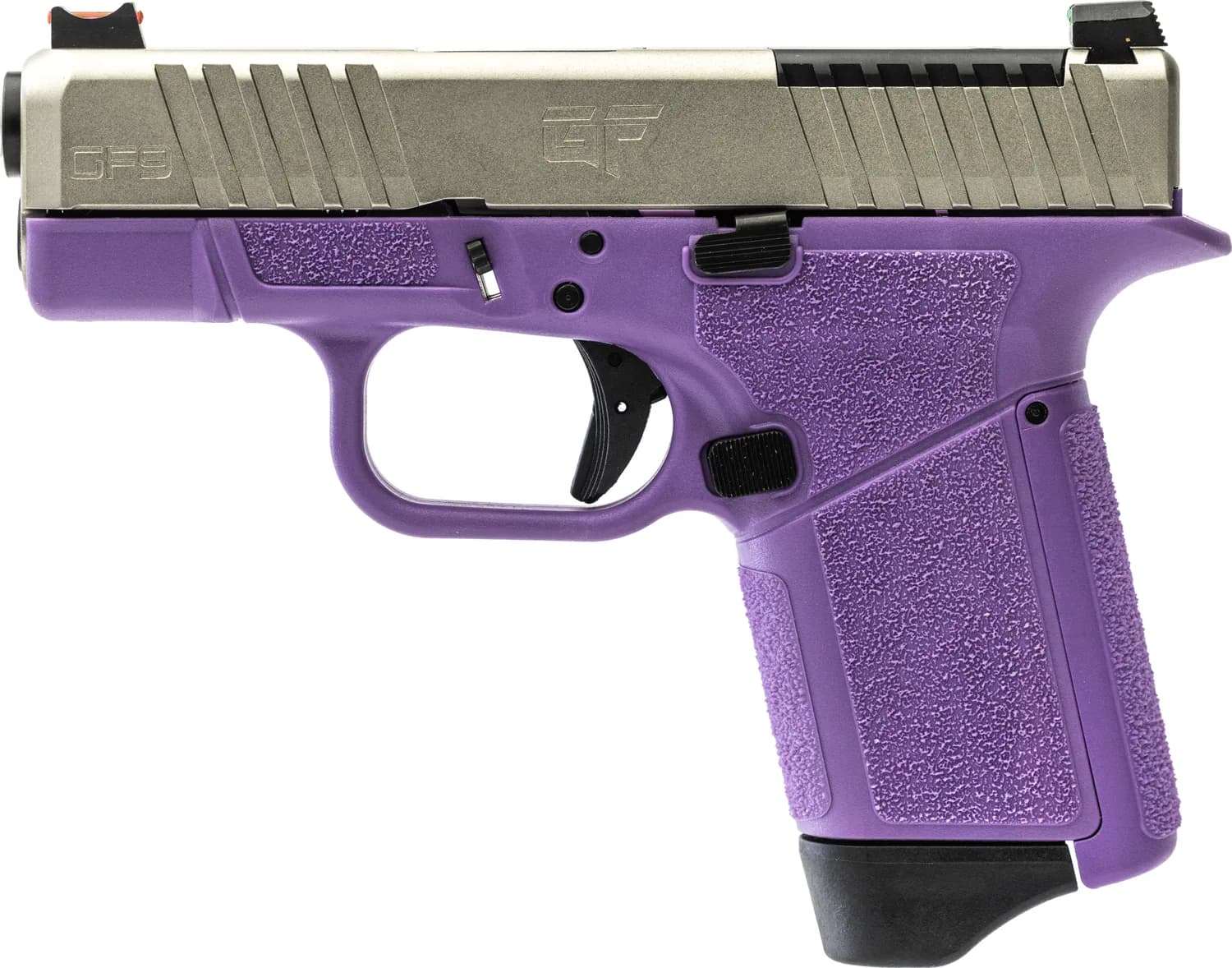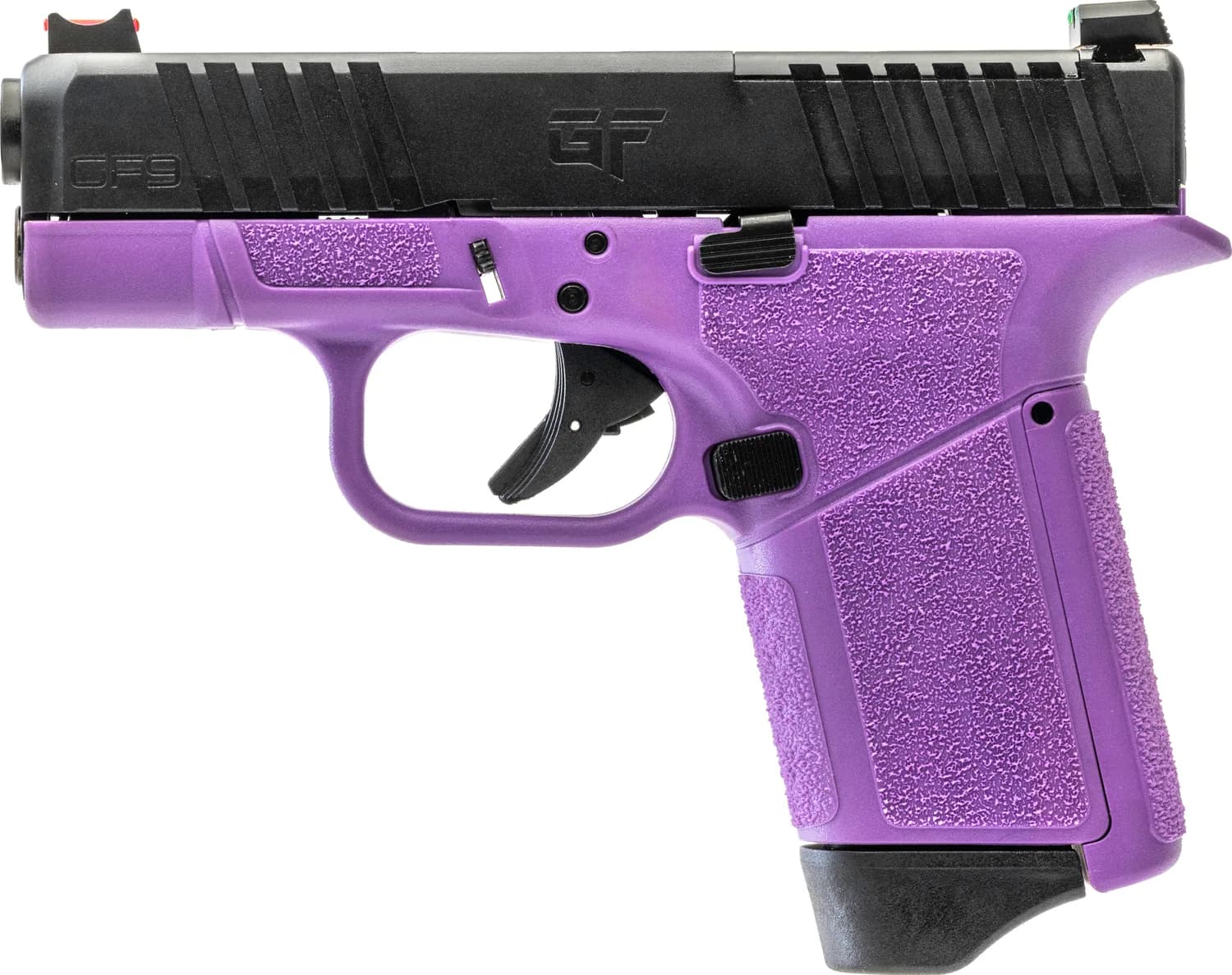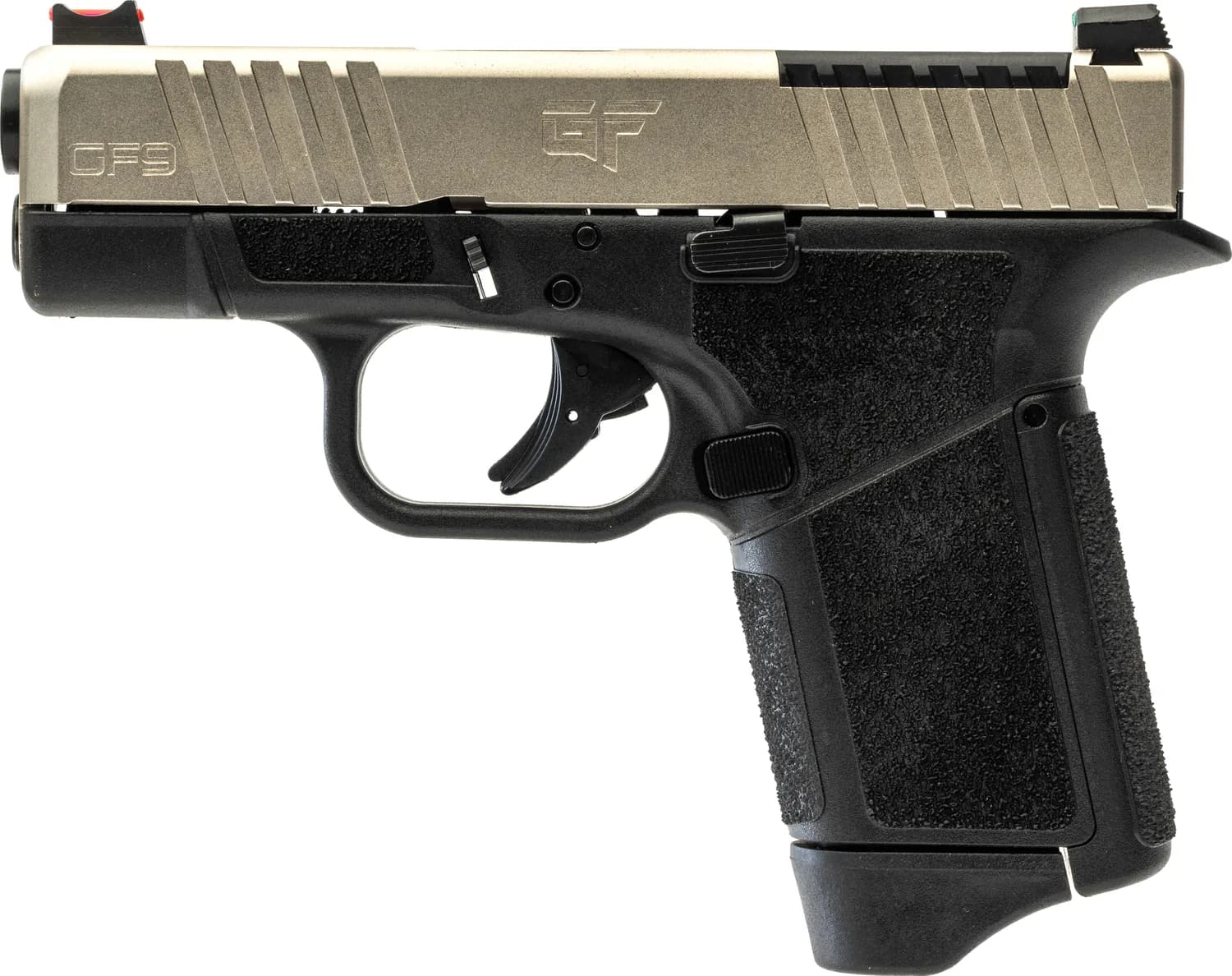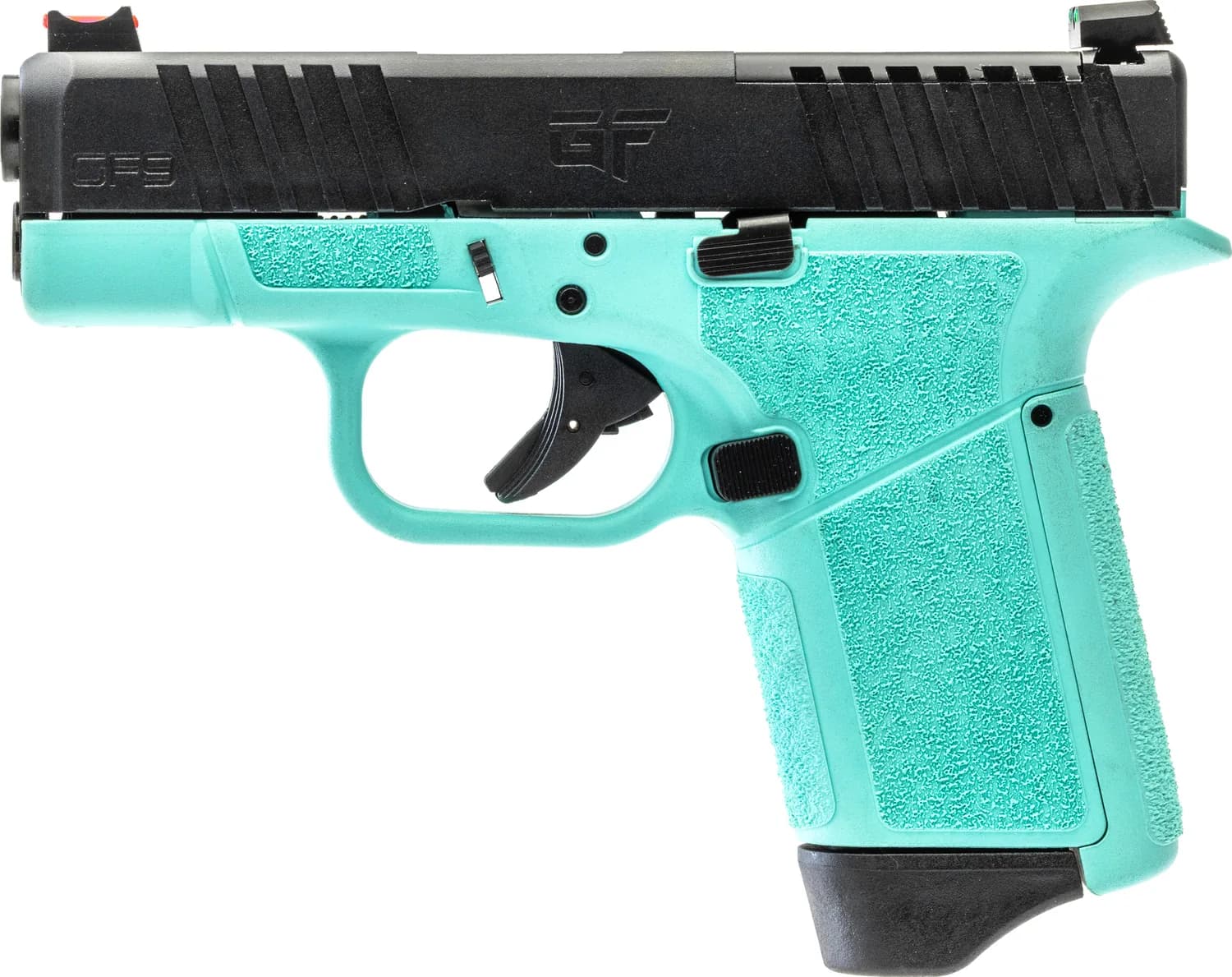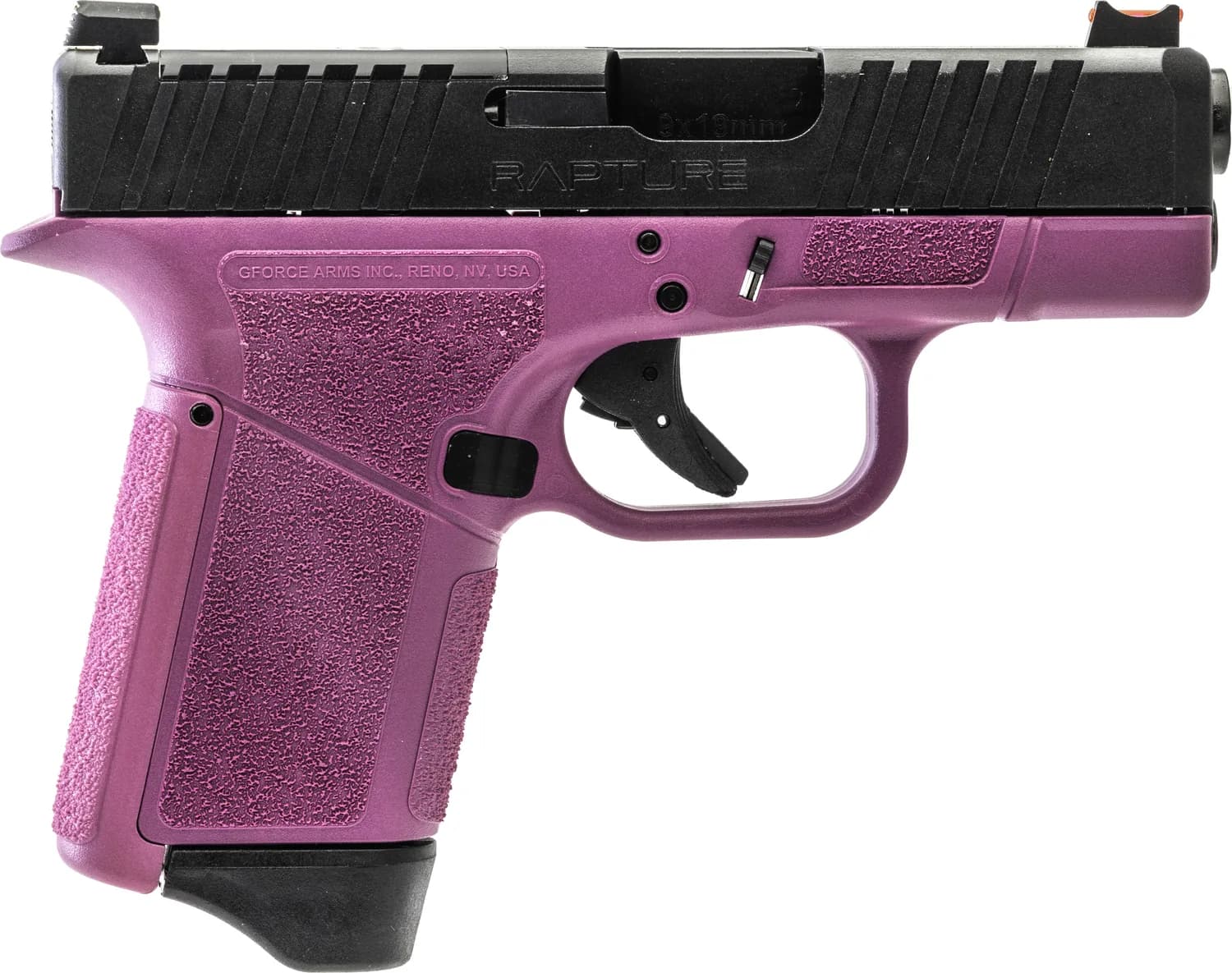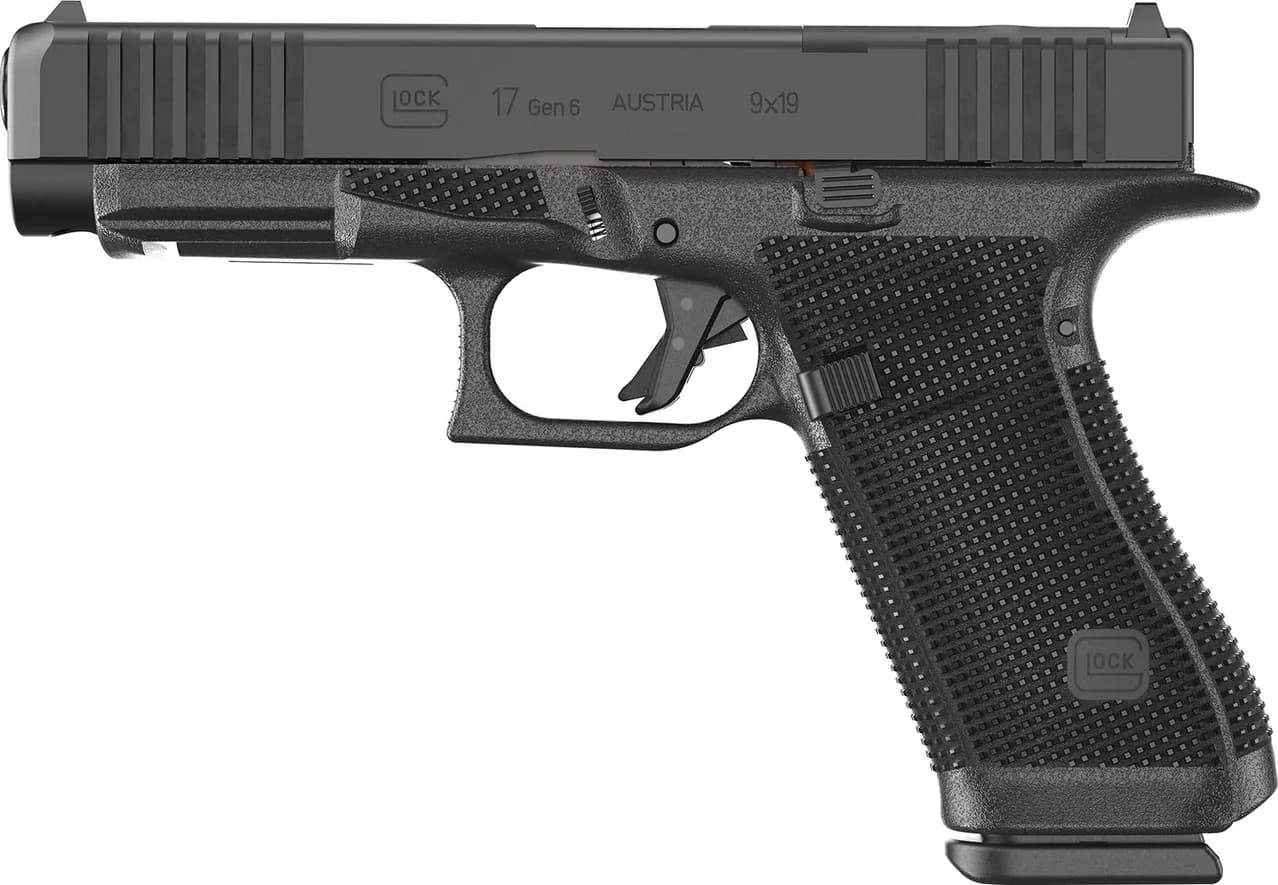
Optic Ready, Palm Swell, RTF6 Grip Texture, Flat Faced Trigger, Enlarged Beavertail
Glock’s sixth-generation compact and full-size pistols were introduced to the public with an official launch at SHOT Show 2026, where the company positioned Gen 6 as the next ergonomic and systems upgrade for the G17, G19 and G45 platforms. The Gen 6 program responds to several years of user-driven aftermarket trends—flat-faced triggers, deeper grip texture, lower optic deck heights—and consolidates them into a factory package intended for duty, competition and enthusiast markets. The 17-sized Gen 6 arrives as Glock’s full‑size offering in that family, carrying forward the model nameplate while incorporating architecture and ergonomics that Glock engineers say are a purposeful evolution of earlier generations.
Where previous incremental GLOCK updates focused on incremental internal tweaks, Gen 6 represents a clearly visible ergonomic re-think. Glock’s materials and press documentation emphasize a new grip geometry that includes an integrated palm swell, an enlarged beavertail and an undercut trigger guard to allow a higher, more consistent hand position on the frame. The new RTF6 grip texture combines two surface patterns to increase purchase without becoming painfully abrasive for high round counts. A flat-faced trigger shoe is fitted from the factory, and slide serrations and front cocking serrations are deeper than before to aid manipulation when an optic is installed. These changes are presented by Glock as factory solutions to modifications shooters commonly make to their pistols.
Mechanically, Gen 6 moves back to a single captive recoil spring assembly (closer to Gen 3 design philosophy) and introduces a new optic‑ready interface. Glock replaced the older MOS-plus‑plate approach with a lower, more integrated mounting pocket that accepts polymer adapter plates; the intent is to lower deck height and allow optics to sit more securely and more in line with the bore. Gen 6 pistols ship with three adapter plates for common footprints and OEM mounting hardware; the manual and mounting documentation make clear Glock expects owners to use optic manufacturers’ screws and to rely on the supplied plates for correct indexing and recoil engagement. These changes affect how the pistol balances and how the slide cycles with different optics installed—important considerations for reliability, holster fit and co‑witness sighting.
On paper the full‑size Gen 6 17 retains the familiar Glock footprint—full‑length slide and a 17‑round magazine capacity—but the altered grip geometry and new texture change how that footprint feels in the hand. A higher grip and extended beavertail reduce the leverage of recoil on the wrist, which most shooters experience as a flatter, faster follow‑up recovery. The flat trigger shoe gives a consistent finger contact point, which many competitive and serious defensive shooters prefer for repeatable breaks. The optic‑ready cut sitting lower in the slide means a red dot—mounted with the correct plate—will present a shorter sight radius to the dot and allow for quicker sight acquisition with many enclosed emitters. Taken together, those changes nudge the handling toward faster, more controllable strings of fire without radically changing the pistol’s role as a duty‑sized 9mm.
Early range reports and independent hands‑on reviews describing the Gen 6 17 have been broadly positive about controllability and practical accuracy. Testers who put hundreds to thousands of rounds through early production examples report a “flat” recoil impulse and quick return to target, especially when the shooter takes advantage of the higher grip geometry and gas‑pedal thumb rests. Grouping performance from a rested position with a properly zeroed red dot has been cited as consistent with expectation for a quality full‑size 9mm; reviewers who timed tactical drills noted improved repeatability compared with earlier Glock generations primarily because of the grip and trigger shoe. Reliability reports from user threads and range tests show mostly trouble‑free operation with a variety of factory 9mm loads, though a small number of users reported isolated, ammo‑specific feed issues during initial break‑in—an occurrence not unusual with any newly released platform and emphasized by commentators as warranting the usual break‑in and ammunition testing. Durability observations are early but favorable; Glock’s redesign of the optic mounting interface and slide geometry was specifically intended to address long‑term wear and optic retention under heavy use.
The Gen 6 17 is optimized for roles where a full‑size, high‑capacity, optics‑ready 9mm excels: duty, range training, and competition formats that allow full‑size pistols. Its ergonomics and factory red‑dot readiness make it a more attractive base pistol for match shooters who want minimal aftermarket work, and the platform’s full‑size grip and capacity remain well suited to service or home‑defense roles. For everyday concealed carry the 17 remains larger than many dedicated carry pistols, so users who prioritize concealment will likely choose a smaller Gen 6 model or a compact alternative. Notable limitations include the transitional holster ecosystem—because the optic cut and frame geometry differ from prior generations, holster makers and owners may need to account for new retention and optic profiles—and the narrower initial selection of compatible reflex footprints when compared to some competitors whose slimline MOS or direct cuts were already ubiquitous. The Gen 6’s stock iron sights remain the familiar factory style many users replace with steel or night sights; some reviewers flagged that as an aspect Glock didn’t change.
Glock packaged a large portion of what the aftermarket community had been doing to their pistols into the Gen 6, creating a factory offering that competes directly with other optics‑forward service pistols from major manufacturers. Industry coverage at launch framed Gen 6 as Glock’s answer to increasing consumer demand for direct‑mount dots and modern ergonomics. In terms of reputation, Glock’s long track record for reliability gives the Gen 6 a favorable starting point; in terms of value, the pistol is positioned as a premium factory‑finished, optics‑ready full‑size 9mm that saves buyers the time and expense of common aftermarket changes. The main competitive questions are not whether Gen 6 is good—it is—but whether a buyer already invested in a Gen 4/5 platform or in another brand’s optics‑forward pistol will prefer to upgrade or to adapt their current systems. Early market analysis suggests Gen 6 will be the new baseline for Glock’s enthusiast and duty offerings going forward.
Gen 6 is less a reinvention of Glock’s original formula than a measured modernization: it keeps the Safe Action architecture and high‑capacity reliability people expect while bringing factory ergonomics and a more robust approach to optics mounting into the box. For shooters who want a full‑size, optics‑ready 9mm that reflects current competition and duty trends straight from the factory, the Gen 6 17 is the most complete factory Glock 17 has been in years.
Start with a practical guide if you want a faster way to narrow the field before comparing specific models.
Learn how to choose the right 9mm handgun based on size, budget, and how you plan to use it.
Read guideHome-focused buyersLearn how to choose the right handgun for home defense based on safety, ease of use, and practical everyday considerations.
Read guideComparison-focused shoppersA practical guide to comparing handguns the right way: what actually matters, what to ignore, and how to use comparison tools effectively.
Read guide