Affiliate disclosure: HandgunCloud may earn a commission if you continue to the retailer and complete a purchase.
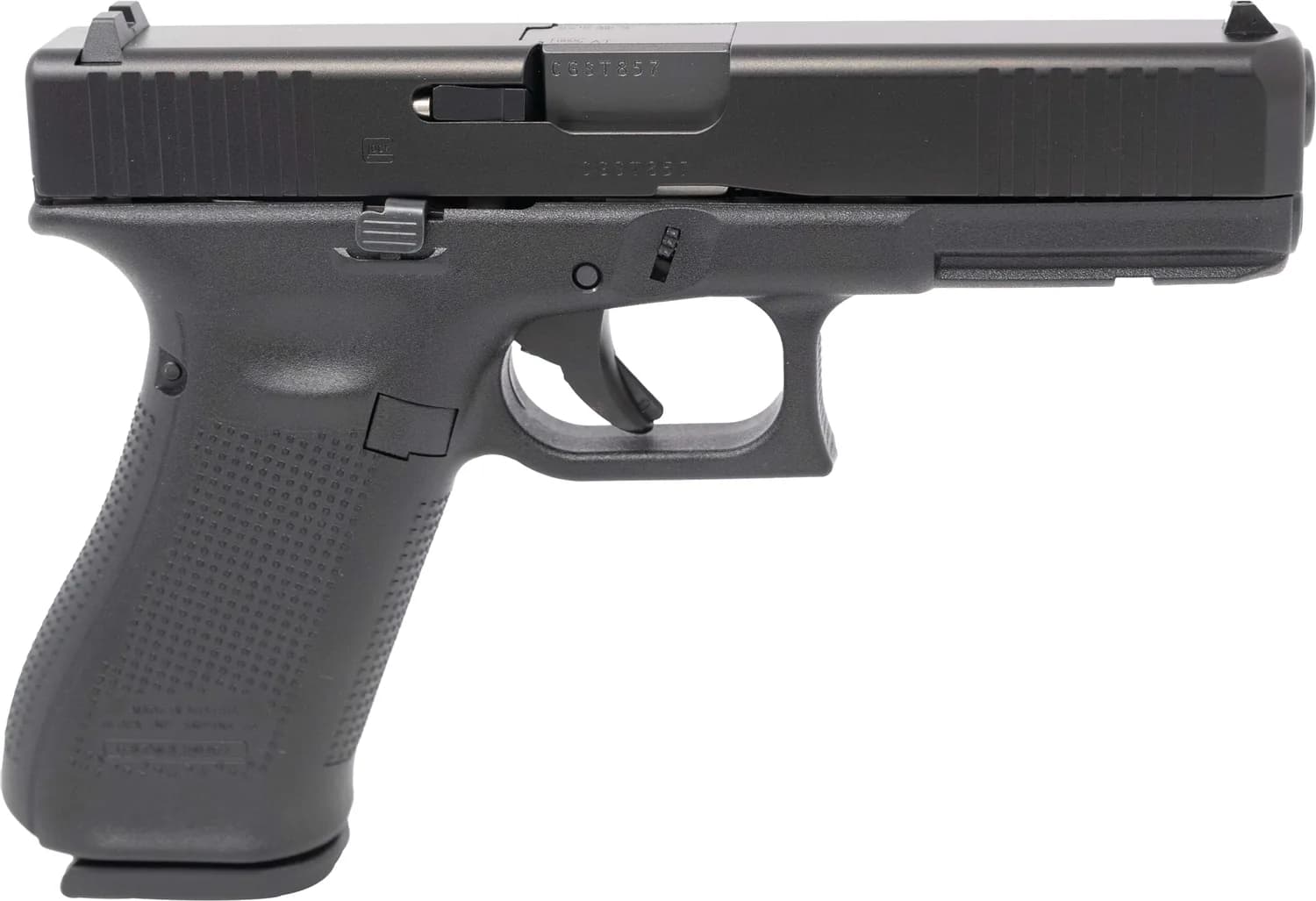
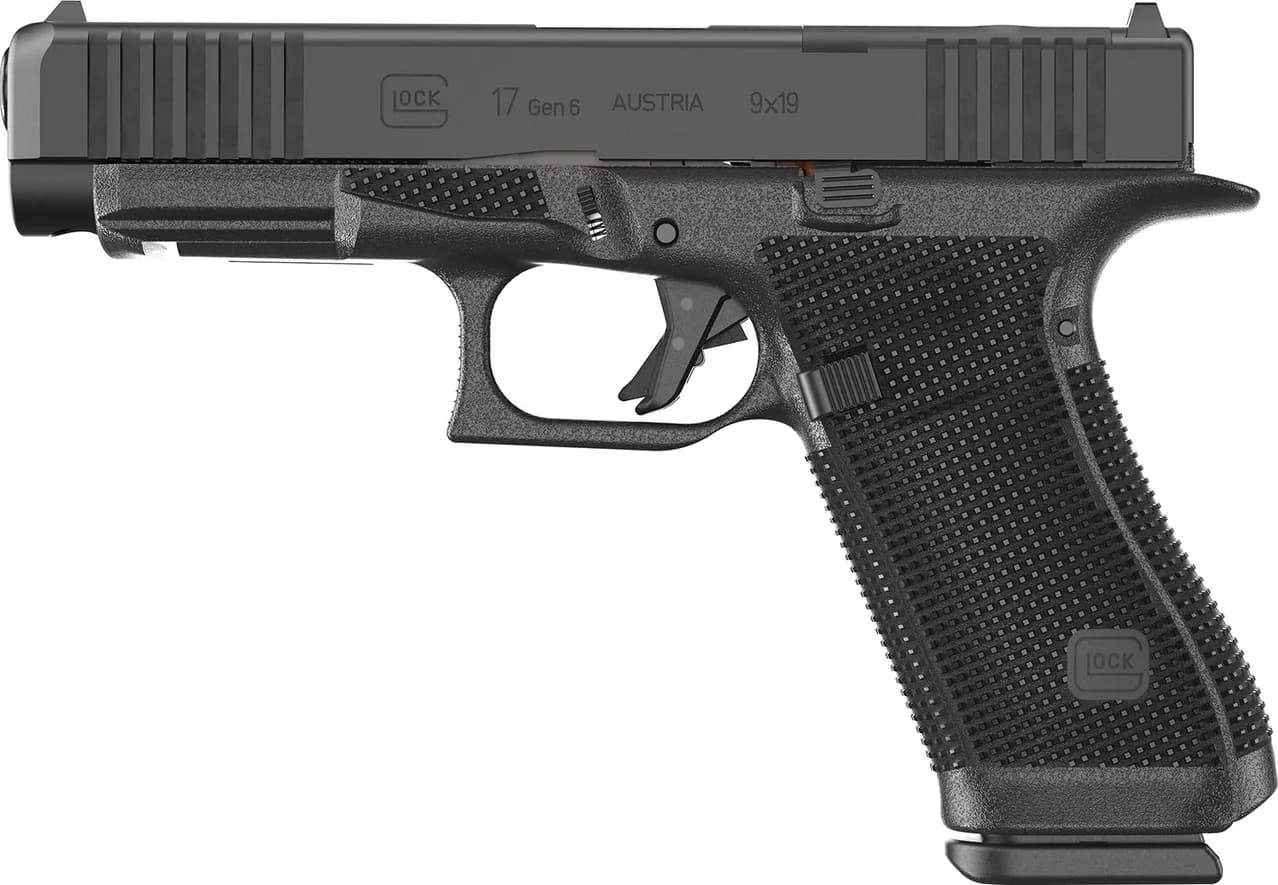
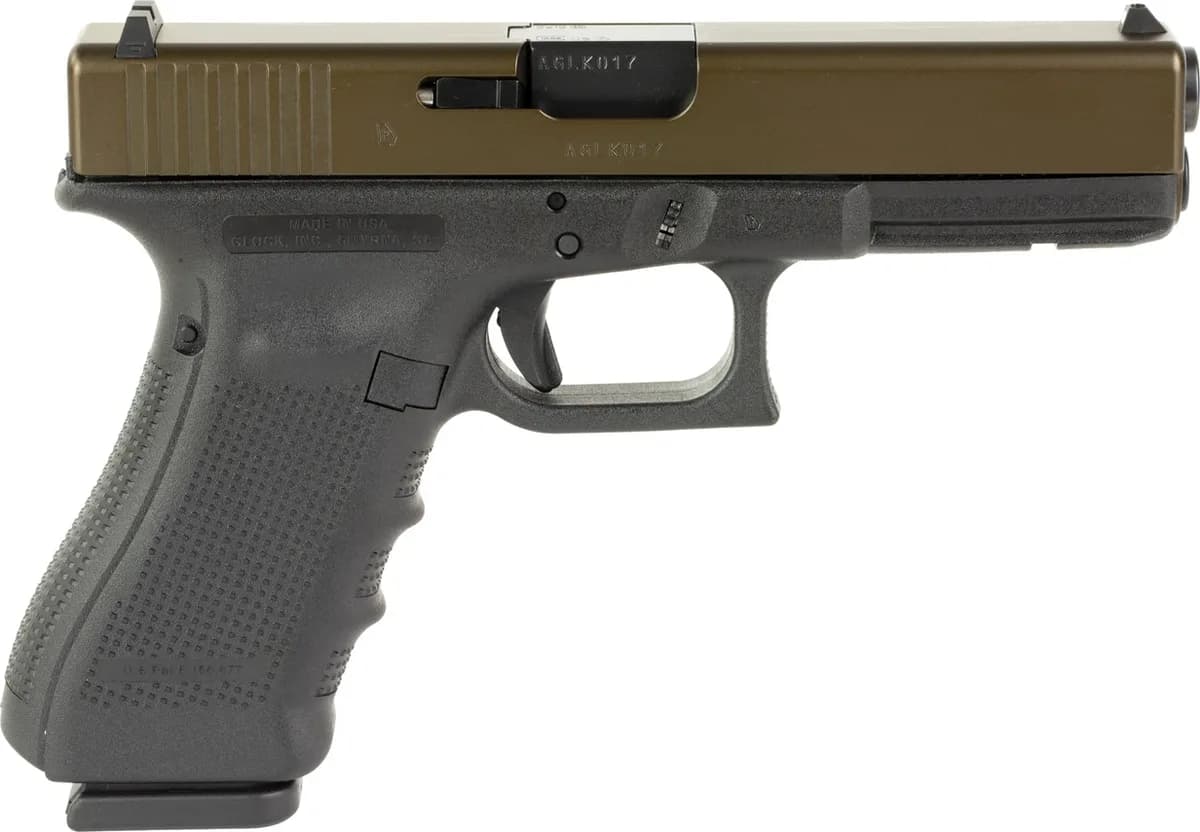
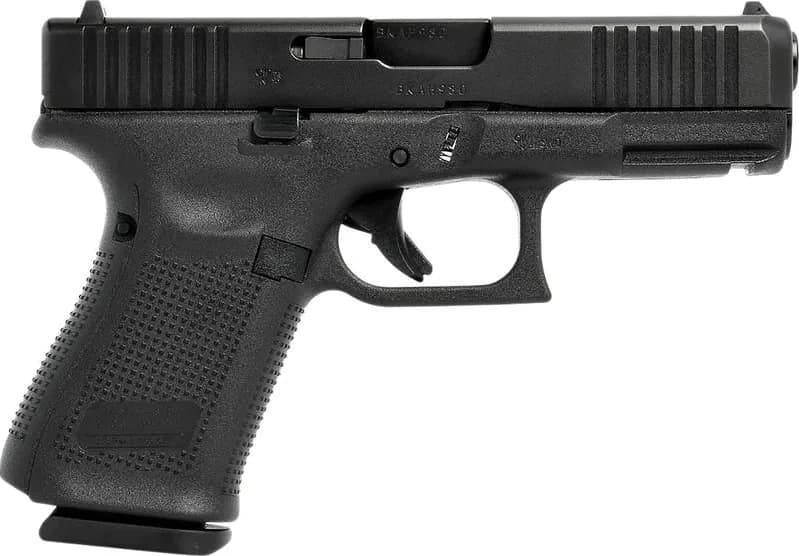
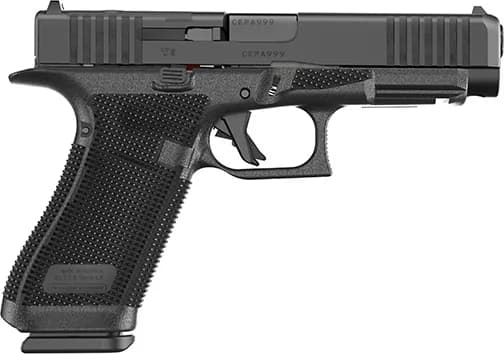
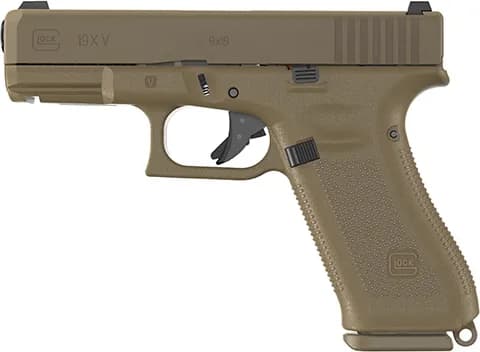
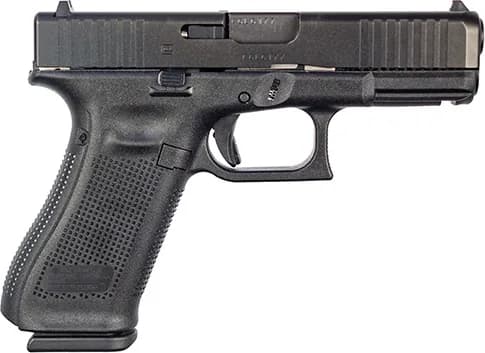
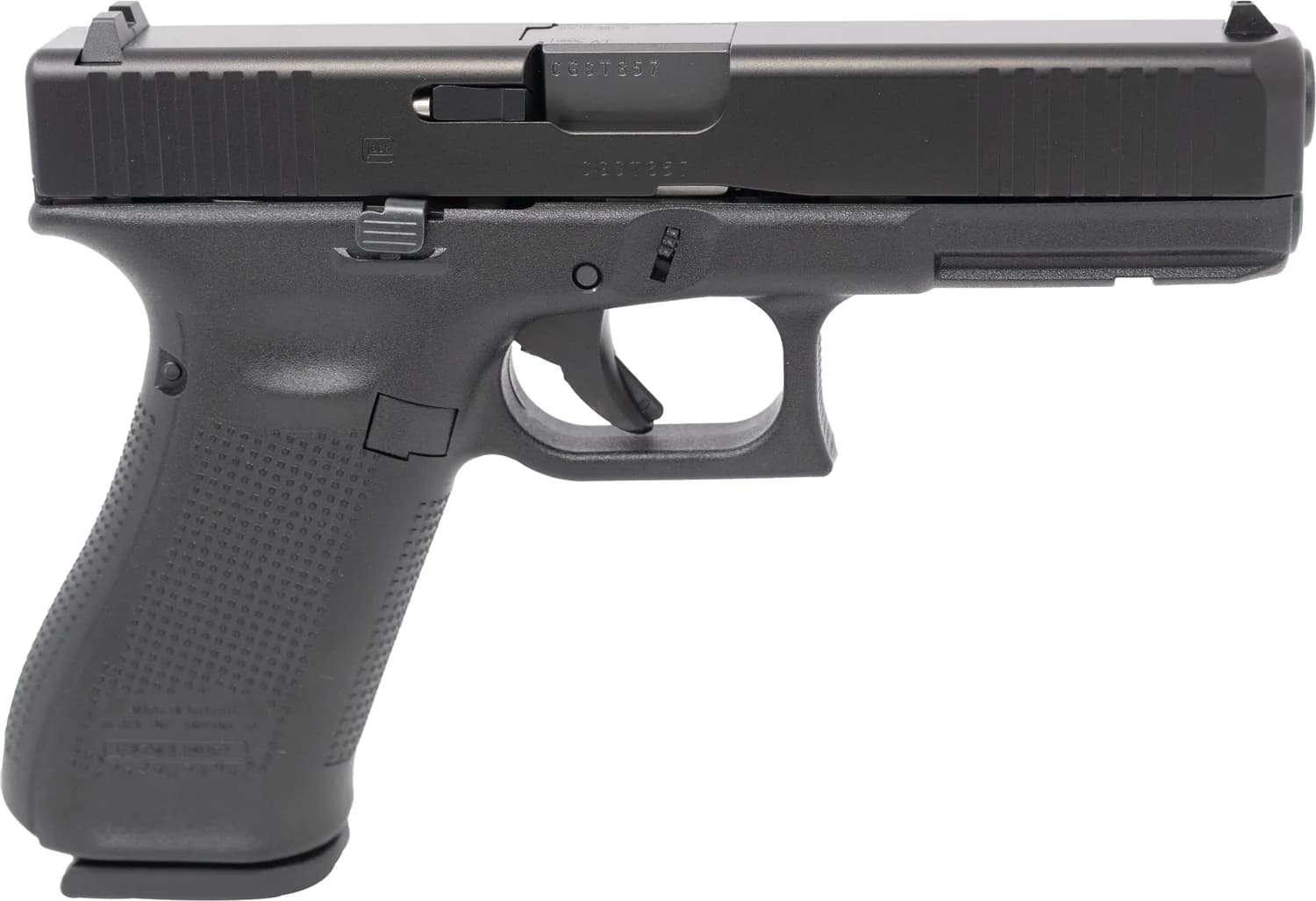
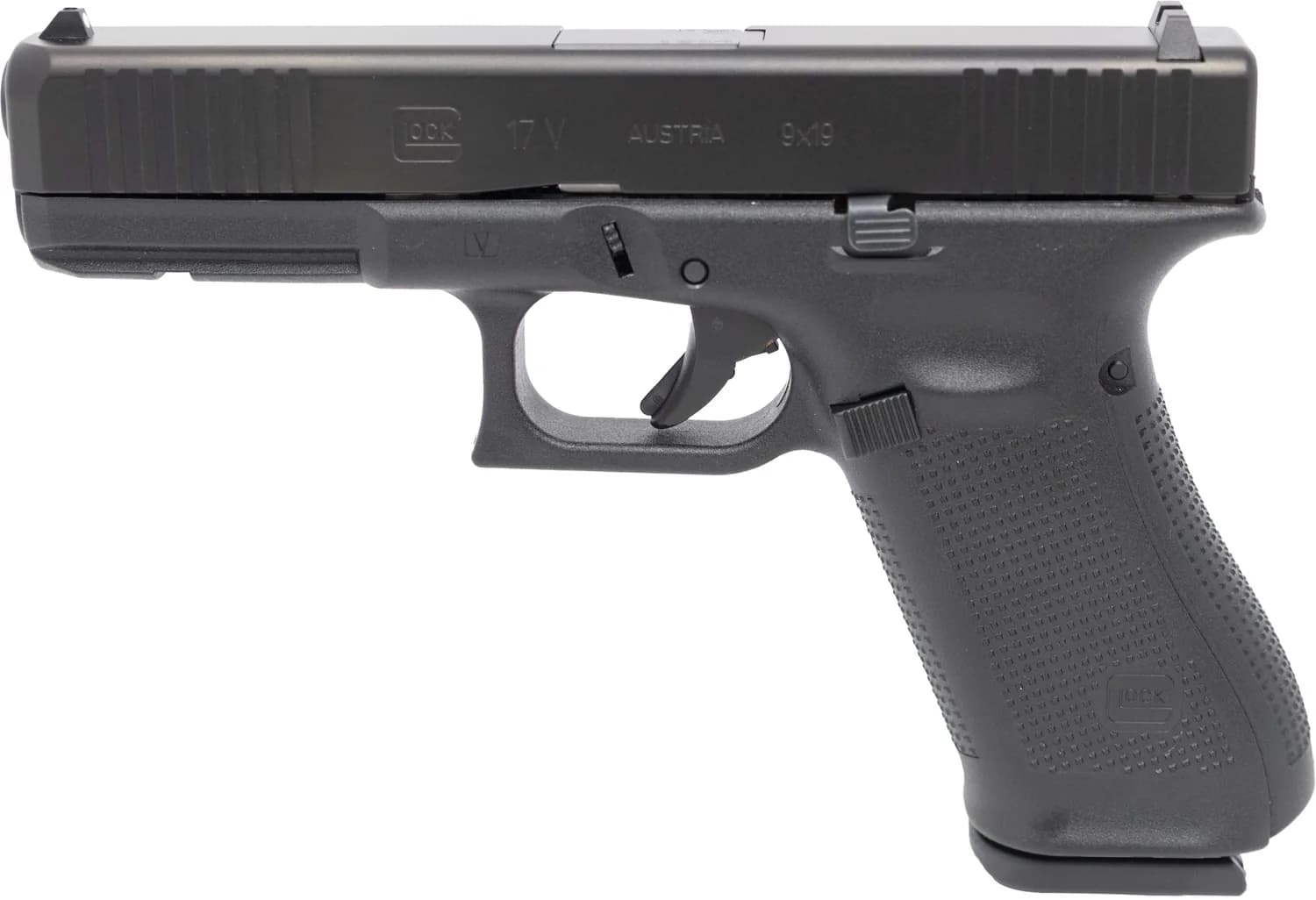
Buy from Impact GunsThe Glock 17 V with front serrations is the latest full‑size entry in Glock’s long‑running 9×19 mm lineup. Externally familiar to anyone who has handled a Glock 17, the V variant bundles the company’s Glock Marksman Barrel, nDLC slide finish, flared magwell, no finger grooves and front slide serrations while carrying the standard 17+1 capacity and Safe Action three‑safety system. Glock positions the V series as a continuity model that preserves the brand’s defining ergonomics and reliability while implementing targeted internal changes.
Glock introduced the V series in late 2025 as a new baseline for its commercial pistol portfolio. The rollout coincided with a broad consolidation of legacy SKUs; Glock told the market the V models would establish a simplified product foundation and began shipping V pistols in December 2025. Industry reporting at the time framed the V series as a pragmatic update rather than a sweeping redesign — intended to maintain Glock’s well‑known manual of arms while addressing specific production and regulatory pressures.
The 17 V sits at the top of that lineup as Glock’s full‑size standard: it replaces longstanding 17 family variants in the commercial catalog and is aimed at buyers who want a duty‑sized, high‑capacity 9mm that needs little modification to serve as a range, duty, or defensive pistol. Externally the V models retain the Gen‑5‑era silhouette, but Glock says several internal geometries and component details have been revised to “establish a baseline of products.”
On paper the G17 V is faithful to the modern Glock recipe: polymer receiver, 4.49‑inch barrel length (Glock Marksman Barrel), overall compactness for its class, and a matte black nDLC finish on slide and barrel. The model that carries front serrations also includes a flared magwell and ambidextrous slide stop levers, while the frame ships without finger grooves — small but meaningful choices that affect hand fit and reload speed. Glock’s published technical data and feature list match these details.
How that translates to real‑world handling is straightforward. The 17 V’s weight and length produce predictable, controllable recoil for a full‑size 9mm, and the Marksman Barrel (GMB) is Glock’s factory accuracy upgrade intended to tighten groups versus older barrel profiles. The flared magwell eases reloads, particularly under stress or when using magazine extensions; the absence of finger grooves gives a more universal grip profile that accommodates a wider range of hand sizes without forcing a particular purchase. The front serrations provide an additional, tactile place to rack the slide or perform a press check — useful to some shooters when an optic or protective cover would otherwise complicate traditional slide manipulation.
Glock’s Safe Action system and the platform’s simple, modular internals continue to underpin the V series reliability claims. At the same time, industry reporting around the V rollout highlighted internal geometry changes that affect parts compatibility with prior generations; that is, some Gen‑5 internal parts and aftermarket trigger modules will not interchange on V pistols. For buyers who plan internal upgrades, that compatibility caveat is an important engineering reality.
Objective long‑term durability data for the V series is still limited because the variant is new to the market, but Glock’s factory specification for trigger pull and the retained Marksman Barrel set reasonable expectations: accurate 25–50‑yard performance when shot from a stable position, typical Glock‑class recoil, and the conservative, “rolling‑break” trigger character most users expect. Glock’s own product literature emphasizes the GMB and nDLC treatment as performance and longevity items.
Early hands‑on impressions from retailers, forums and independent shops reflect a familiar theme: shooters report the pistol “feels like a Glock” — consistent ergonomics, predictable recoil impulse, and no radical surprises in handling — while some testers noted a slightly smoother or more consistent trigger feel out of the box compared with older runs. Those reports remain anecdotal and uneven across individual samples; reviewers and owner‑reports also advise standard ammunition selection and a short break‑in window before drawing conclusions about mechanical longevity.
Reports of any out‑of‑the‑box problems have been isolated. As with any new platform revisions, the community is watching for longer‑term patterns; at present there is no broad, systematic evidence that the V series sacrifices Glock’s historic durability, but the limited public test data means conservative purchasers should wait for extended range experience if durability is their primary deciding factor.
The G17 V is a natural fit for roles that favor capacity and controllability: duty belts, home defense, conventional range duty, and some forms of competition where a full‑size service pistol is appropriate. The flared magwell and large 17‑round capacity make fast reloads and sustained strings of fire more manageable than many compact carry designs. The front serrations provide manipulation options for shooters who rack the slide forward‑hand or perform non‑traditional press checks.
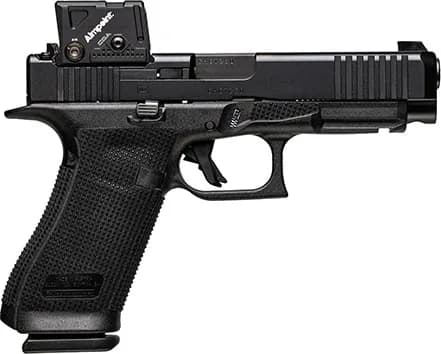
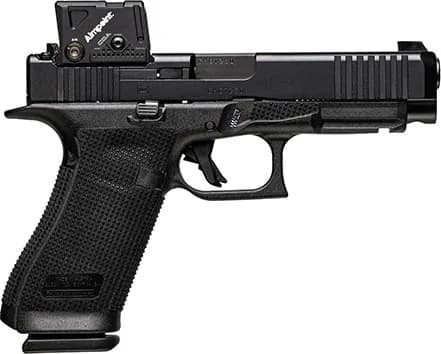
Limitations are equally practical. Several V models launched without factory optic cuts in certain SKUs, and some shooters and competitors prefer optics‑forward designs; if a red‑dot is a requirement you should verify whether the specific V configuration you’re buying is optics‑ready or if a V‑MOS variant exists. Additionally, because Glock adjusted some internal components for the V series, many aftermarket internal upgrades designed for Gen‑5 hardware may not fit — an important consideration for users who planned aftermarket triggers or bespoke internal work. Finally, while front serrations add utility to slide manipulation, they are a small ergonomic preference rather than a game‑changing feature.
The 17 V occupies the familiar top‑end of Glock’s full‑size 9mm roster: conservative, proven ergonomics married to modest factory upgrades (GMB, nDLC, flared magwell). That places it squarely against other duty‑oriented full‑size 9mm pistols from long‑standing manufacturers — pistols that trade a little innovation for broad reliability and aftermarket familiarity. Industry analysts frame the V series as Glock’s defensive, baseline product: not a radical leap but a platform reset intended to preserve Glock’s ubiquity while simplifying production and addressing external pressures. For buyers who value established parts ecosystems and deep aftermarket support, the transition to V introduces a short‑term compatibility nuance; for buyers starting fresh, the V is the current Glock platform to evaluate.
For readers weighing a purchase, the G17 V with front serrations is best understood as an incremental, pragmatic evolution: modernized where it matters to Glock’s manufacturing and legal posture, but intentionally conservative where reliability and shootability are concerned. Early impressions are favorable for ergonomics and accuracy, while longer‑term verdicts on parts availability and how the V series influences secondary‑market values will mature as more high‑round counts accumulate on the platform.
Start with a practical guide if you want a faster way to narrow the field before comparing specific models.
Learn how to choose the right 9mm handgun based on size, budget, and how you plan to use it.
Read guideHome-focused buyersLearn how to choose the right handgun for home defense based on safety, ease of use, and practical everyday considerations.
Read guideComparison-focused shoppersA practical guide to comparing handguns the right way: what actually matters, what to ignore, and how to use comparison tools effectively.
Read guide